
The Power of Our Word: Why Keeping Promises Matters in Relationships, Careers, and Personal Growth
How Upholding Integrity Can Transform Our Lives, Prevent Betrayal, and Build Trust Across All Areas
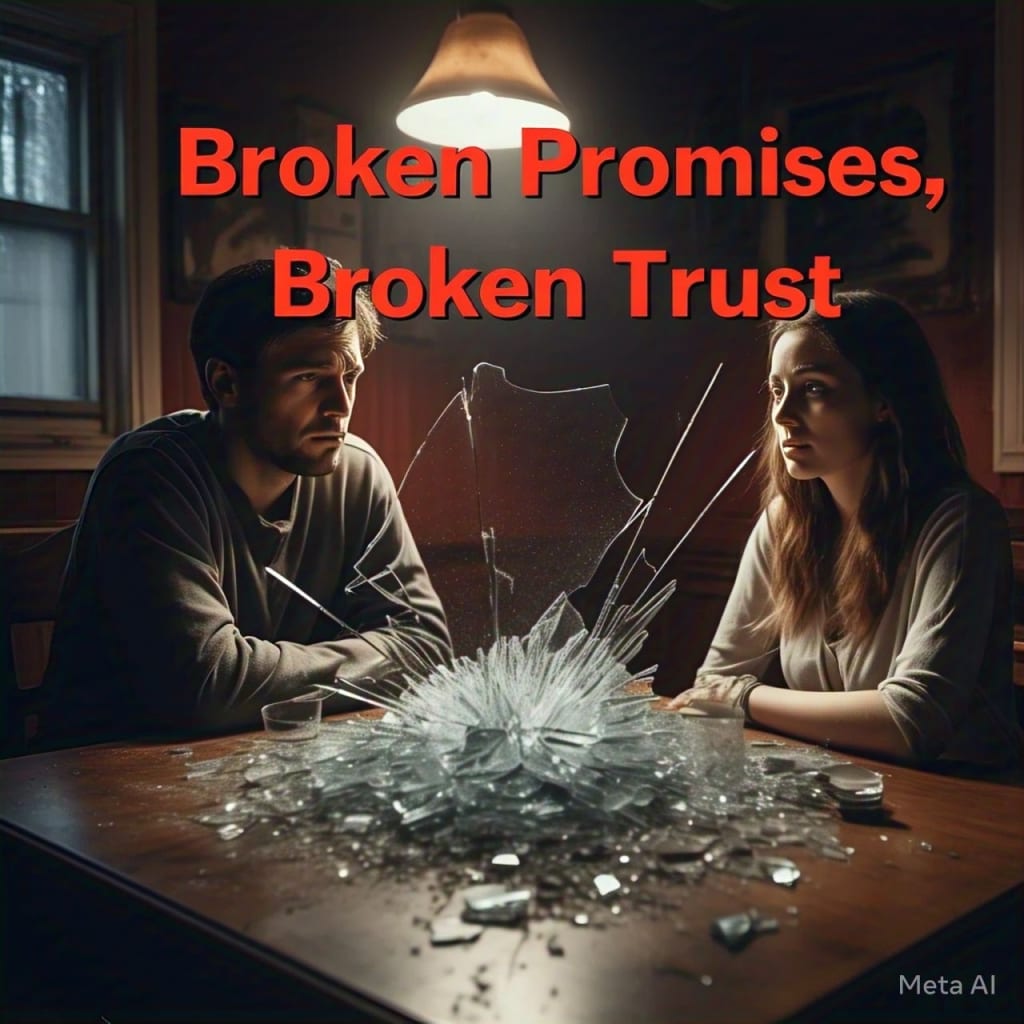
Is our Word Truly our Bond ? Is this just a phrase we say to get away with things or do we mean it ? A Reflection on Broken Promises.
How many promises have you made, only to watch them crumble when circumstances get tough?
"I’ll quit smoking this year."
"I promise to be a better friend, a better partner."
"This is the year I’ll finally pursue my dreams."
"I’ll change, I swear."
We’ve all made promises like these—at the beginning of a new year, in moments of clarity, or even in the heat of a heated argument when our hearts were overflowing with hope. We’ve all promised to be better versions of ourselves, to follow through on our intentions, and to show up for others. Yet, how many times have we broken those promises? How many times has the weight of our words dissolved into thin air?
Beyond ourselves, beyond the ones we love, there are the promises we make to the world, to society, to our careers, and to our homes. When we break those promises, what does it say about us?
The Importance of Keeping Promises in Relationships, Career, and Life
In many spiritual traditions, breaking a promise is viewed as a serious matter. For instance, in Islam, the Qur'an emphasizes the importance of fulfilling our commitments:
Surah Al-Isra (17:34):
"And fulfill [every] covenant. Indeed, the covenant will be asked about. "This verse underlines the weight of promises. In Islam, a promise is more than just a statement—it is a sacred bond that must be upheld. Breaking it is seen as a betrayal not just of others, but of our integrity and faith in God.
In Christianity, the Bible stresses the importance of honoring promises. Ecclesiastes 5:5 says, "It is better not to make a vow than to make one and not fulfill it."
Jesus' words in Matthew 5:37 also emphasize the need for sincerity:
"Let your ‘Yes’ be ‘Yes,’ and your ‘No,’ ‘No.’"
The value of promises lies not only in the declaration but in the sincerity and integrity behind them.
Judaism holds promises in high regard as well. In the Torah, Numbers 30:2 teaches: "If a man makes a vow to the Lord or takes an oath to bind himself by a pledge, he shall not break his word. He shall do according to all that proceeds out of his mouth."
For Jews, a vow or promise is not a casual commitment—it is an obligation that must be honored. The act of breaking a promise is viewed as an ethical failure, not just a social one.
Why Keeping Promises is Important for Our Integrity
When we make promises, we are called upon to uphold them with integrity. Fulfilling a promise is an act that reflects our character. When promises are broken, it is not just the trust of others that is lost, but a piece of our own integrity.
Promises to Ourselves: The Most Important Ones
Perhaps the most heart-wrenching promises are those we make to ourselves. How often do we say, "This year, I’ll quit smoking," only to find ourselves lighting up again a few weeks later? Or declare, "I’ll change my mindset," only to fall back into old patterns of self-doubt?
These promises can feel like the hardest to keep, especially because they require us to transform our lives. The pressure of change can be overwhelming, and often, we fail to meet our own expectations. But why do we break these promises?
Sometimes, it’s because the vision of who we want to become seems distant or unattainable. Other times, it’s because we lack the necessary support. External demands and life’s unpredictability can often overshadow the promises we make to ourselves.
Yet, we must remember: the promises we make to ourselves are the most crucial ones we’ll ever keep. They shape who we become, and they give meaning and direction to our lives.
Promises in Relationships: The Bonds We Break
In our relationships—whether with a spouse, a friend, a family member, or a colleague—promises form the foundation of trust. A husband promises, "I will be faithful," but temptation or neglect leads to betrayal. A wife promises, "I’ll build a loving home," but unresolved issues turn that home into a battleground. A friend swears, "I’ll always be there for you," but time, distance, and selfishness make them unreachable. Promises in relationships hold us together. They are the glue that keeps trust intact. But when broken, it is not just the relationship that suffers—it is our integrity that is called into question. Trust, once shattered, is hard to rebuild.
The reality is: we are human. We falter, we fail, and we fall. It's inevitable. But what matters most is not whether we fail, but how we respond to our mistakes. Do we let them define us, or do we acknowledge our shortcomings and strive to do better?
Promises to Children: A Generational Cycle of Hope and Disappointment
Promises made to children often shape their understanding of trust. "If you do well in school, I’ll buy you a gift." These promises, filled with the hope of reward, motivate children to strive for success. But what happens when those promises are broken? What happens when the reward never comes, and the child is left with only empty words? When promises to children are broken repeatedly, it sets up a cycle of disappointment. This cycle doesn’t just affect one generation—it can extend across families, communities, and even entire societies. If we want promises to truly matter, we must start by keeping our word with the next generation.
Promises in Our Careers: The Work We Leave Undone
In the professional world, broken promises can have far-reaching consequences. A colleague promises to help with a project but fails to deliver. A boss promises a promotion, leaving you waiting with no explanation. These broken promises lead not just to disappointment, but often to frustration, and feelings of being undervalued. We also make promises to ourselves in our careers: to push for that promotion, to start that business, or to pursue leadership. But often, fear, self-doubt, and procrastination hold us back.
The truth is: If we don’t believe in the promises we make to ourselves, how can we expect others to take them seriously?
The Role of NDAs and Prenuptial Agreements: Trust and Integrity
In a world where trust often feels fragile, legal agreements like NDAs (Non-Disclosure Agreements) and prenuptial agreements are frequently used to protect ourselves and others. These legal instruments can be seen as safeguards in our relationships and professional interactions.
However, the question arises: If we all upheld the promises we make in our daily lives, would these agreements even be necessary? When we break the trust of a friend by gossiping, sharing secrets, or revealing confidential information, we betray their trust. Whether it’s casual conversation or professional settings, such betrayals weaken the bonds that hold us together. Legal agreements like NDAs and prenuptial contracts may serve a purpose, but they often stem from the fear that promises will be broken. If we were more committed to keeping our promises—whether in marriage, work, or personal relationships—perhaps we wouldn’t need these legal measures at all.
The Truth About Promises: Why They Matter
The truth is simple: Every promise we make—whether to others or to ourselves—is a reflection of who we are. Our words are our bond. They define our integrity, our character, and the world we create. When we break a promise, we don’t just break trust with others—we break a part of ourselves . Every time we honor our word, we strengthen our integrity and shape ourselves into the person we are meant to be.
Actionable Takeaways: Keeping Our Word, Living Our Truth
• Be intentional when making promises: Before committing, ask yourself: Can I keep this promise? Am I ready to stand by my word, no matter the challenge?
• Make promises to yourself: Honor them as you would any other. They are the foundation of your self-growth.
• Acknowledge your mistakes: When you break a promise, own up to it and make amends. This shows accountability and strengthens your integrity.
• Rebuild trust slowly but surely: It may take time to regain the trust you’ve lost, but with consistent effort, you can restore broken bonds.
• Keep promises to children: They are the next generation of leaders and dreamers. Show them the power of integrity by keeping your word.
The Call to Action: What Will You Do?
Promises are more than just words—they are commitments, actions, and bonds that define the world we live in. So, before you make your next promise, take a moment to reflect: Can I keep this? Is this a bond I can truly uphold? If the answer is yes, proceed with courage, knowing that your word is your bond. If the answer is no, be honest with yourself and adjust your expectations. Promise to be true to who you want to become. In a world where words are often cheap, let’s make sure our words mean something.
What promises have you broken to yourself, and how will you keep them moving forward?
Share your thoughts in the comments below. Let’s start a conversation about the power of promises and how we can work together to honor them.
About the Creator
Adejoke Adediwura
I'm a passionate storyteller creating thought-provoking, impactful pieces that inspire and connect. My writing blends emotion and intellect, sparking conversations and fostering shared humanity.
Keep reading
More stories from Adejoke Adediwura and writers in Humans and other communities.
Loyalty Over Everything
In the old river town of Harrenford, loyalty was a word people spoke often but practiced rarely. The town sat between trade routes, rich with opportunity and temptation. Merchants came and went, deals were made and broken, and friendships were tested by profit. Among all this lived two young men whose lives would come to define what loyalty truly meant.
By The best writer 5 days ago in Humans



Comments
There are no comments for this story
Be the first to respond and start the conversation.