
The Power of Love: Exploring the Fine Line Between Love and Hate in Human Connections
How Love and Hate Shape Relationships, Society, and the World Around Us
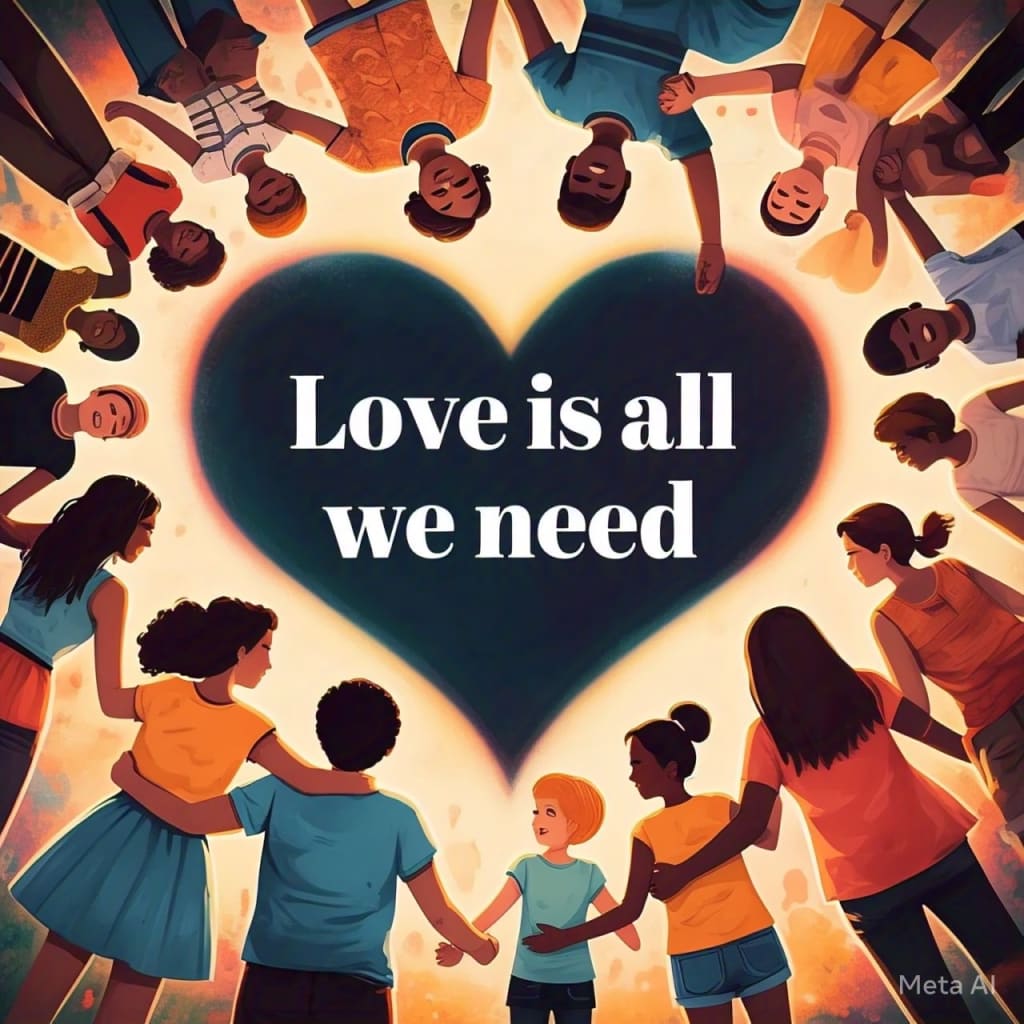
Discover how love’s transformative power shapes our relationships, societies, and world. Explore the fine line between love and hate in this thought-provoking exploration.
Exploring the Spectrum of Love and Hate
Introduction: The Intricacies of Love
Have you ever stopped to wonder how our hearts—so small and finite—are capable of holding infinite emotions? How do we find space to love so deeply, so differently, and so genuinely? From the unwavering love for our parents and siblings to the fierce devotion to our spouses, the tender affection for our nieces and nephews, and even the admiration we feel for celebrities we’ve never met—love finds its way into every corner of our lives.
But what happens when that love is hurt? How does it so easily turn into hate—so consuming, so destructive? I still marvel at how men kill their wives without conscience, friends betray each other over money, or siblings who once ate from the same plate let rivalry spiral into violence. Love is both the glue that binds us and, when mismanaged, the spark that sets the world ablaze.
In this article, we will explore love’s complexity and duality. We’ll dive into its purest forms, its painful shadows, and its immense power to unite or destroy. From familial bonds to societal conflicts, from racial injustice to global wars, we’ll uncover why love is the world’s most potent yet misunderstood force—and how, without it, humanity loses its way.
A Mother’s Love: The First Connection
A mother’s love is often seen as the purest form of love—selfless, instinctive, and enduring. It begins even before a child is born, with the rhythmic pulse of her heartbeat offering the first sense of connection. This bond is not without its challenges; some mothers struggle under the weight of their burdens or face difficulties bonding with their children. But maternal love is a testament to resilience.It teaches us that love is not about perfection. It’s about showing up, about forgiving, about sacrificing so someone else can thrive. In its most authentic form, a mother’s love reminds us that love isn’t merely a feeling—it’s an action, a decision, and sometimes, the only light in a dark world.
Siblings: From Rivalry to Lifelong Bonds
Siblings embody a paradox: they are our first friends and fiercest competitors. As children, we fight over toys, food, and attention, yet we defend each other fiercely from external threats. But what happens when those childhood rivalries turn into deep-seated resentment?
I’ve often wondered how siblings who once shared everything—from their plates to their secrets—become strangers or even enemies. Stories of siblings caught in bloody rivalries haunt me: those who let jealousy, misunderstandings, or greed overshadow years of shared memories. Sibling love teaches us that while love doesn’t eliminate conflict, it offers a path to reconciliation. It’s a reminder that even imperfect love can endure when we choose understanding over division.
Romantic Love: Beauty and Fragility
Romantic love is often idealized as eternal, unwavering, and magical. But the reality is far more nuanced. At its best, it is a partnership rooted in trust, shared dreams, and vulnerability. At its worst, it becomes a breeding ground for jealousy, betrayal, and bitterness.
It’s heartbreaking to see how quickly love can turn to hate when trust is broken. Men killing their wives, partners betraying each other over insecurities, or years of devotion unraveling over a single moment of weakness—romantic love reveals how fragile even the strongest bonds can be.But it also shows us the potential for growth. True romantic love isn’t about perfection; it’s about communication, forgiveness, and the daily choice to nurture the relationship. Without these, love becomes fleeting—a beautiful but brittle illusion.
Love and Hate: A Fine Line
How can love, so powerful, so life-affirming, turn into hate so easily? It’s a question that lingers every time I hear of a war, a betrayal, or a senseless act of violence. Nations wage wars over borders and ideologies, leaving children motherless and people homeless. Skin color becomes a justification for brutality, with racism causing untold suffering.
Does being white, black, or brown really matter when we all bleed the same color? Why does a lack of love turn trivial differences into deadly conflicts? The absence of love creates division, misunderstanding, and fear—fear that hardens into hate. And hate, unchecked, destroys the very fabric of humanity.
Racism: The Absence of Love in a Divided World
Racism is a glaring example of how the lack of love erodes humanity. It thrives on ignorance, fear, and division, perpetuating cycles of profiling, mistreatment, and violence. Why should the color of our skin dictate our worth? Why should people be judged for something they never chose?
True love doesn’t see color—it sees humanity. It breaks down walls, builds bridges, and celebrates diversity. When love replaces hate, workplaces become inclusive, communities become compassionate, and nations heal. But until we collectively embrace love as a guiding principle, racism will continue to rob the world of its potential for unity.
War and Political Conflicts: Love Forgotten
When nations prioritize power over people, love is lost, and humanity suffers. Wars over borders and ideologies leave entire populations displaced, children orphaned, and families destroyed. The rich and privileged find themselves reduced to poverty, and entire generations grow up knowing only pain.
Love, when forgotten, leads to unimaginable suffering. But love, when remembered, has the power to rebuild. Imagine if leaders governed with compassion instead of control—if they sought peace instead of pride. A world rooted in love would prioritize connection over conquest, and no innocent child would bear the cost of someone else’s hatred.
The Greatest Weapon on Earth: Love
Love is the antidote to every form of hate, yet it is often the most underestimated force in the world. It is both powerful and fragile, complex and simple. It binds us together, yet when neglected, it has the power to destroy.
Imagine a world where love was the guiding principle. Where nations cared for their people instead of their profits. Where communities stood together regardless of race, religion, or class. Where every child grew up knowing they were loved—not because of what they looked like but because of who they are.
Conclusion: Choosing Love, Every Day
Love is not a feeling we passively experience; it is a choice we make every day. It is the decision to listen, to forgive, to care, and to connect. In a world filled with hate, love is the only force powerful enough to heal, to unite, and to change lives.
So, let us choose love—not just for those who are easy to love, but for those who need it most. Let us teach our children to value compassion over competition, empathy over ego. Let us build a world where love is not an afterthought but the foundation of every action we take.
Because in the end, love is the greatest gift we can give—to ourselves, to each other, and to the world. What act of love will you choose today?
About the Creator
Adejoke Adediwura
I'm a passionate storyteller creating thought-provoking, impactful pieces that inspire and connect. My writing blends emotion and intellect, sparking conversations and fostering shared humanity.
Keep reading
More stories from Adejoke Adediwura and writers in Humans and other communities.
The History of Valentine’s Day for Students Made Easy and Fun
Introduction to the History of Valentine’s Day for Students Valentine's Day is frequently associated with hearts, cards, sweets, and words of love. For students, it can feel like a contemporary celebration centered on gifts and social media. However, the history of Valentine's Day is far older and more interesting than most people realize. When we go back, we find stories of ancient rituals, daring choices, secret weddings, and customs that helped define the holiday that students know today.
By Relationship Guideabout 23 hours ago in Humans



Comments
There are no comments for this story
Be the first to respond and start the conversation.