
The Nostalgia Paradox
In an age of rapid innovation, our craving for the “good old days” reveals more about our inner world than the past itself.

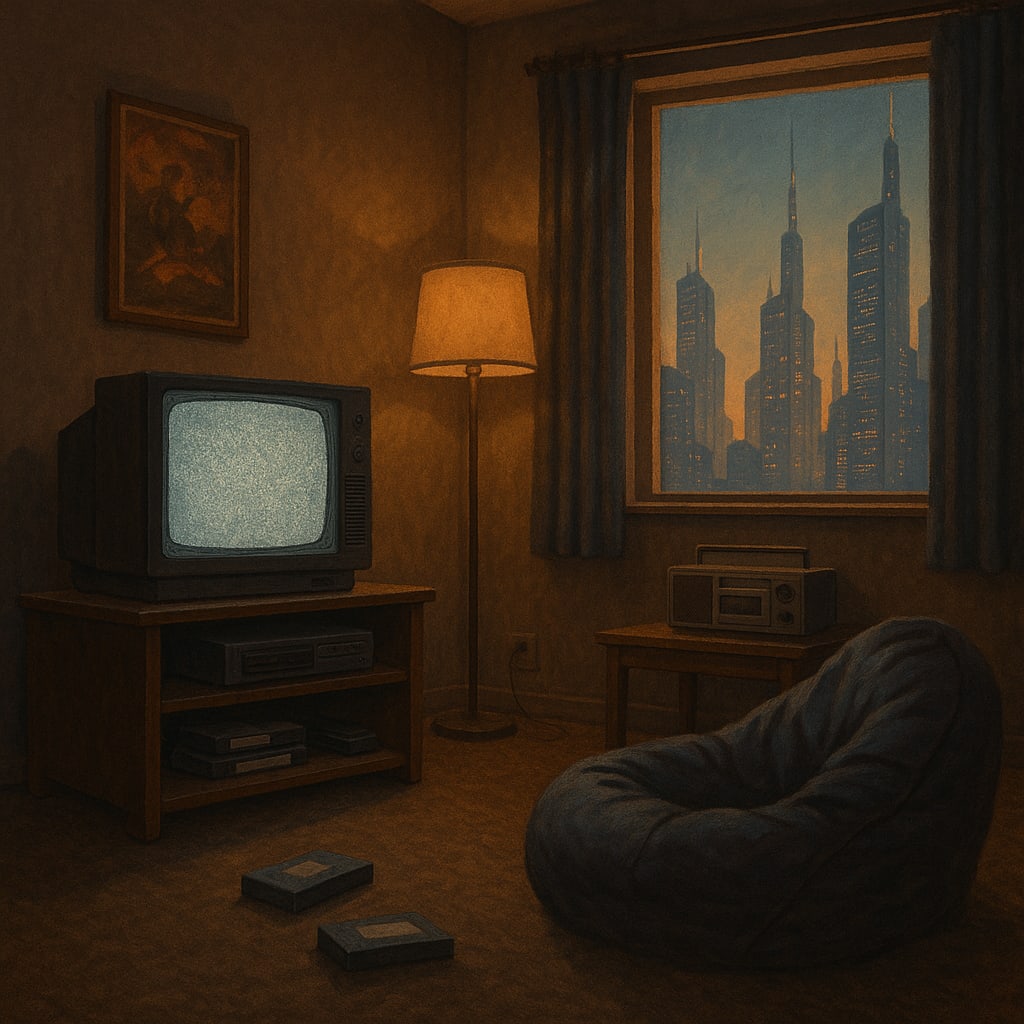
In today’s world, we live surrounded by technology that once belonged in science fiction. We can summon food with a tap, chat with AI, and watch any movie ever made within seconds. Yet despite this unprecedented convenience, there’s a rising wave of nostalgia pulling us toward simpler, analog times. Vinyl records are outselling CDs. Polaroid cameras are trendy again. Old sitcoms like Friends dominate streaming charts. Why?
This longing for the past—known as nostalgia—is not a glitch in our modern lives; it’s a feature of being human. But the paradox is clear: while we strive to evolve and optimize, we also reach backward, yearning for the comfort of what was. This tension between progress and memory offers deep psychological insight into our values, fears, and sense of identity.
The Psychology Behind Nostalgia
Nostalgia isn’t just a sentimental emotion—it’s a coping mechanism. When life feels overwhelming, uncertain, or too fast-paced, our minds often reach for periods that felt more grounded. These memories—whether of childhood summers, cassette tapes, or pre-smartphone conversations—carry emotional weight because they remind us of times when life felt more manageable.
Psychologists suggest that nostalgia increases feelings of social connectedness and meaning in life. When we look back, we often see moments through a warm filter, emphasizing the positive and softening the hardships. This isn’t distortion—it’s the brain’s way of creating stability.
Why Is Nostalgia Booming Now?
Several forces fuel the recent surge in nostalgia:
Technological Whiplash: The pace of innovation is dizzying. Each year brings new devices, platforms, and trends. Amid this flux, familiarity becomes comfort.
Global Uncertainty: From pandemics to economic instability, the modern era is shaped by unpredictability. In such times, the past feels like a safe harbor.
Millennial & Gen Z Cultural Power: As younger generations become cultural drivers, their memories shape trends. The 1990s and early 2000s—when many of today’s creators grew up—are now a core aesthetic.
Hyperconnectivity Fatigue: Ironically, while we are more connected than ever, many feel more isolated. Nostalgic content, like reruns or old-school video games, offers emotional grounding.
The Commodification of Nostalgia
Businesses have taken notice. Brands deliberately design products to evoke bygone eras. Apple uses skeuomorphic designs in some apps to resemble analog tools. Fashion cycles are increasingly dominated by “Y2K” throwbacks. Even car commercials evoke 80s synth music to target nostalgic emotions.
This packaging of the past is not accidental—nostalgia sells. It bridges generations, softens resistance to spending, and triggers dopamine linked to memory.
Is It Dangerous to Live in the Past?
While nostalgia can be healing, overindulgence can anchor us in stasis. If we glorify the past too much, we may resist necessary progress. Think of people romanticizing decades that, in reality, were riddled with inequality or social struggles. A nostalgic lens can blur facts.
Moreover, constantly longing for a “better time” can indicate dissatisfaction with the present. The challenge, then, is to extract the emotional value of the past without idealizing it blindly.
Integrating the Past into a Healthier Present
So how can we embrace nostalgia without getting stuck?
Curate, Don’t Escape: Rewatch a childhood movie, but don’t make it your permanent retreat. Use it to recharge, not to avoid.
Let Nostalgia Inspire Creation: Artists and entrepreneurs often use nostalgic references as springboards for innovation. The past becomes a canvas, not a cage.
Talk About It: Sharing memories with others builds empathy and connection. You’re not alone in missing simpler times—others are navigating the same emotional terrain.
Make New Nostalgia: The best way to honor the past is to live the present meaningfully. Today’s small moments will be tomorrow’s “good old days.”
Why the Future Needs a Bit of the Past
Ironically, looking back can help us move forward. Nostalgia isn’t about resisting change—it’s about carrying our values, stories, and emotions into what’s next. A vinyl album in 2025 isn’t an act of rebellion; it’s a reminder that sound, texture, and imperfection still matter in a sterile, algorithm-driven world.
As we design AI, virtual reality, and smart cities, we’ll need the soul of the past to humanize the efficiency of the future. The trick is not to choose between old and new but to allow them to dance.
Conclusion: The Bridge Between Then and Now
We are not trapped in the past, nor are we fully free from it. We carry it with us—like a favorite song or a childhood photo in our wallet. The nostalgia paradox teaches us this: even in the most futuristic world, being human means remembering, feeling, and occasionally, longing.
As we build faster, smarter, and more efficient futures, let us also build kinder, more soulful presents—rooted in the lessons, warmth, and spirit of the lives we've already lived.
About the Creator
Ahmet Kıvanç Demirkıran
As a technology and innovation enthusiast, I aim to bring fresh perspectives to my readers, drawing from my experience.
Keep reading
More stories from Ahmet Kıvanç Demirkıran and writers in Humans and other communities.
The Subscription Self
In the golden age of subscriptions, everything can be rented—movies, meals, clothes, mindfulness, and even friendship. The rise of the subscription model was once a matter of convenience, but in recent years, it has quietly infiltrated something far more intimate: identity.
By Ahmet Kıvanç Demirkıran10 months ago in Humans
Kyrsten Sinema
Kyrsten Sinema is an important American political leader. She worked for many years in the U.S. government and became known for being different from many others in politics. This article uses easy English and clear subtitles to help you understand who she is, where she came from, what she did, and what is happening now with her.
By Farhan Sayedabout 19 hours ago in Humans


Comments (2)
Nicely written ✍️♦️♦️♦️
Interesting and well written.