
The Subscription Self
In a world ruled by monthly payments and curated lifestyles, are we building a self—or simply subscribing to one?

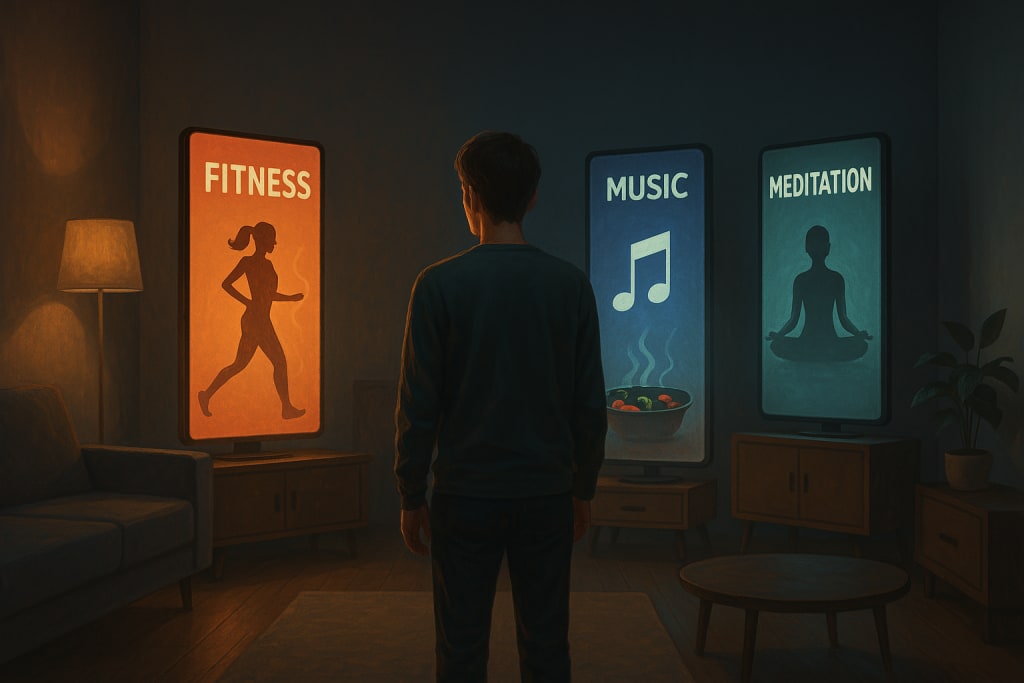
In the golden age of subscriptions, everything can be rented—movies, meals, clothes, mindfulness, and even friendship. The rise of the subscription model was once a matter of convenience, but in recent years, it has quietly infiltrated something far more intimate: identity.
We no longer just subscribe to services—we subscribe to lifestyles. We rent the version of ourselves we want to be, updated monthly, cancellable at any time.
The Rise of the “Self-as-a-Service” Model
The digital economy has subtly shifted how we view ownership. Who needs to buy a DVD when you have Netflix? Why commit to a gym when you can stream fitness classes? These questions seem practical at first, but they mask a deeper shift: identity is becoming modular.
Now, we don’t just consume culture—we lease parts of it. You want to be “the person who cooks”? Subscribe to Blue Apron. A well-read intellectual? Audible or Blinkist has you covered. An aesthetic minimalist? Subscribe to a capsule wardrobe delivery service.
These offerings don’t just give us tools—they give us stories about ourselves. And we eagerly pay for those stories.
Curated Personas, Monthly Fees
The rise of the “rented self” fits perfectly into a culture obsessed with branding—not just of companies, but of people. Social media platforms reward cohesion, themes, niches. We become known not for our authentic complexities, but for our predictable patterns.
And subscriptions make that consistency easy.
A mental wellness identity is easier to perform when your Calm app pings you daily with mantras. A productivity guru persona feels more real with Notion templates and Pomodoro timers. Want to appear adventurous? Rent gear from a travel subscription service and post pictures from curated experiences.
We are what we subscribe to.
The Cost of Renting Identity
But what happens when your subscriptions define your sense of self? When identity becomes a monthly bill?
There’s a hidden instability here. Just as renters can be evicted, a “subscription self” can collapse the moment a service is cancelled. It creates a fragile identity built on infrastructure you don’t control.
Even worse, we begin to outsource parts of ourselves that once came from within: our taste, our discipline, our aesthetic. What once required introspection or experimentation now arrives in a monthly box or a daily email.
You no longer need to “be” something—just pay for the version of it.
A Mirror of Modern Capitalism
This identity model reflects a broader cultural truth: in late capitalism, everything is up for sale, including the self. Subscription services don’t just monetize utility—they monetize aspiration.
You’re not just buying content or convenience; you’re buying the feeling of being better, more complete, more you. Ironically, in trying to customize ourselves through external tools, we become more generic.
Brands know this. That’s why they market their services not as tools, but as identity markers. You don’t drink that specific coffee because it tastes better—you drink it because it aligns with the version of you you want to be seen as.
The Illusion of Control
The subscription self gives the illusion of empowerment. After all, you’re choosing which tools to use, right?
But choice doesn’t equal autonomy. When options are pre-packaged, themed, and algorithmically suggested, your freedom of identity becomes an illusion. The self becomes a playlist—curated by someone else.
And just like a playlist, it can be skipped, paused, or deleted.
Is Ownership the Answer?
Some argue for a return to ownership—physical books, in-person friendships, handwritten journals. But even that can become performance. What matters isn’t the medium, but the motive.
Instead of asking, “What should I subscribe to next?” maybe the better question is: “What part of me do I actually own?”
Reclaiming the Self
There’s a quiet revolution in authenticity happening beneath the noise. People are unsubscribing, decluttering, logging off—not because it’s trendy, but because they’re tired.
Tired of renting joy. Tired of outsourcing meaning. Tired of curating selves for a stage that never claps.
Reclaiming your identity doesn’t mean rejecting all services or tech—it means choosing tools that serve you, not define you.
Final Thought: Identity Beyond the Paywall
In a culture where every version of yourself seems to cost $9.99 a month, true identity might just be what’s left when the free trial ends. Who are you when there’s no app to support the illusion? What parts of you can’t be downloaded, delivered, or cancelled?
In a world of endless subscriptions, the rarest luxury might just be this: a self you don’t have to rent.
About the Creator
Ahmet Kıvanç Demirkıran
As a technology and innovation enthusiast, I aim to bring fresh perspectives to my readers, drawing from my experience.
Keep reading
More stories from Ahmet Kıvanç Demirkıran and writers in Humans and other communities.
The Loneliness Economy
In today’s hyper-connected world, it might seem paradoxical that loneliness is on the rise. Despite the omnipresence of social media, messaging apps, and video calls, more people than ever report feeling isolated and emotionally disconnected. This epidemic of loneliness isn’t just a public health concern or a psychological issue—it’s also become a silent engine behind modern consumerism.
By Ahmet Kıvanç Demirkıran10 months ago in Humans
Restoring Balance in Medicine: Andrew Rudin MD on Why Prevention Must Come First
Modern healthcare has delivered extraordinary achievements. Medications control conditions that once shortened lives. Procedures restore heart rhythm, open blocked arteries, and prevent sudden cardiac events. Imaging technologies allow physicians to detect disease earlier and with greater precision than ever before. Yet despite these advances, many patients feel that care often begins too late. Treatment is efficient, but prevention is inconsistent. According to Andrew Rudin MD, this imbalance now represents one of the most significant challenges facing modern medicine.
By Dr. Andrew Rudin5 days ago in Humans
Wild Card Weekend Recap: What Happens Now?
I think I figured out why I love Wild Card Weekend so much. It's because it's the first playoff anything of the calendar year. The NFL season starts in the fall, and once upon a time, the champion was crowned either on or slightly before New Year's. The evolution of the NFL schedule has resulted in the playoffs starting just into the New Year, and currently, the final week of the season falls on the first weekend of the New Year, with Wild Card Weekend coming a week after that. So yes, chronologically, the NFL's Wild Card Weekend serves as the first playoff anything of the calendar year.
By Clyde E. Dawkins5 days ago in Unbalanced




Comments (1)
Thanks for sharing, sir!