
The Link Between Healthy Eating and Mental Health
Nourishing the Mind and Body: Exploring the Vital Connection between Nutrition and Psychological Well-being


The impact of diet on mental health

Epidemiological studies have shown that diet impacts mental health, and intervention studies confirm this relationship (17). The challenge for “nutritional psychiatry” is to produce comprehensive, consistent, and scientifically rigorous evidence-based studies that define the role of diet and nutrients in different aspects of mental health (67–70). Overall, few randomized trials investigate the effectiveness of dietary change in mental health treatment. One intervention study to date involved a 12-week Mediterranean diet. This study reported significant improvements in mood and reduced anxiety in adults with major depression (71) More recent RCTs – HELFIMED (72) and PREDI_DEP (73) have confirmed the benefits of a Mediterranean-style diet for mental health in depression. In contrast to these studies, in the MooDFOOD RCT, multiple nutrient supplementation did not reduce episodes of major depression in overweight or obese adults with subsyndromal depressive symptoms. This study found that multi-nutrient supplements containing omega-3 PUFAs, vitamin D, folic acid, and selenium neither reduced depressive symptoms, anxiety symptoms nor improved health utility indices (74). Similar results regarding the lack of effect on mental state improvement were obtained in a review of the literature in the context of vitamin D (75). For omega-3 PACs, one RCT including people with mild to moderate depression found no beneficial effect of omega-3 PACs on depressive symptoms (76). No effect of folic acid supplementation in combination with vitamin B 6 and B 12 on the onset of depression was found in older men (77) and older women (78). Furthermore, Rayman et al. (79) found no effect of selenium supplementation on mood in older people. Overall, the studies available to date, do not support the use of nutritional supplementation to prevent depression[1].
Some studies that examined the link between diet and mental health in the last decade have provided some strong evidence suggesting nutrition plays a critical role in mental health. But what exactly is the link between healthy eating and mental health? How does nutrition affect stress or depression? What types of food should one incorporate into their diet to improve their mental health? [2].
We do not know exactly why diet affects mental health, but it could be due to changes in blood glucose (sugar) levels, inflammation, or effects on the microorganisms that live in the gut (known as the microbiome). Eating well also prevents some chronic diseases like diabetes, which also affect mental health[3].
The role of specific nutrients in maintaining mental health
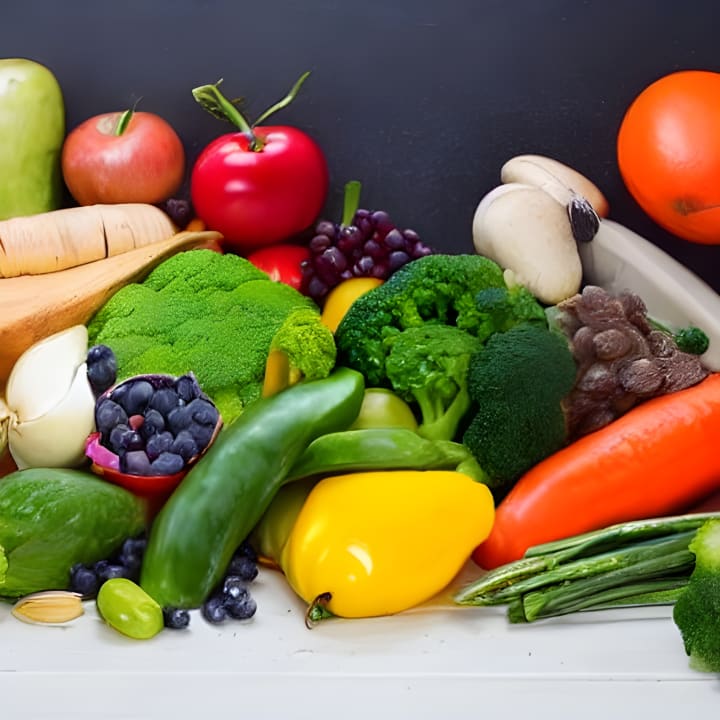
Good nutrition is key to a healthy mind. In addition to providing the body with the needed nutrients, eating well can also help reduce mental health issues such as stress and depression. A nutrient-rich diet can even improve brain function and performance. Fortunately, there are plenty of healthy eating tips you can incorporate into your daily life[2].
To boost your mental health, focus on eating plenty of fruits and vegetables along with foods rich in omega-3 fatty acids, such as salmon. Dark green leafy vegetables in particular are brain protective. Nuts, seeds, and legumes, such as beans and lentils, are also excellent brain foods[4].
Eating nutrient-dense foods like whole grains, leafy greens, colorful vegetables, beans and legumes, seafood, and fruits will boost the body’s overall health – including brain health. Both the Mediterranean diet and the DASH diet, which eliminates sugar, were found to significantly improve symptoms in the patients who took part in one study on diet and mental health[5].
Tips for developing a healthy eating pattern to support mental health

If you are looking for a new way to improve your diet, consider adding healthier foods that affect mental health positively. Healthy foods are those that have low amounts of saturated fat, added sugar, and sodium. They are also rich in vitamins, minerals, and other nutrients. Healthy foods will keep you energetic throughout the day, but they will also help you to lose weight, reduce cravings, and improve your overall sense of well-being[2].
When you stick to a diet of nutrient-rich foods, you’re setting yourself up for fewer mood swings and an improved ability to focus. Studies have even found that clean diets consisting of mainly whole, unprocessed foods, can help with symptoms of depression and anxiety. Whereas unhealthy diets have been linked to an increased risk of dementia or stroke[6].
This set of results are consistent with established evidence regarding healthy eating patterns and improvements in anxiety and depression states and the benefit of complementing the classic treatments with dietary interventions according to the specific needs of each patient. The low cost and the high effectiveness of these complementary plans may also confer additional benefits to physical aspects of health [7].
About the Creator
Nazmi Demir
I'm a 25yo writer with a creative writing education, specializing in engaging and impactful stories. I love experimenting with different styles and genres, weaving intricate plots and dynamic characters.
Keep reading
More stories from writers in Humans and other communities.
Migration
What does migration mean to you? As humans, as we grow, we make decisions that mark a before and after in our lives. Decisions that, when we look back on them, make us wonder if, at the moment we made them, we were truly aware of the impact they would have on our lives. Sometimes, our expectations are high: we dream of a future that does not yet exist; other times, we let life teach us, gently or forcefully, where these decisions might lead us.
By ISANDRA VALEN3 days ago in Humans
Silver Screen Magic with Mae West
American actress and singer Mae West became a popular film actress during the Great Depression. She started entertaining in vaudeville, then performed on Broadway, and finally went to Hollywood. She signed up with Paramount Pictures and made her debut in the 1932 film “Night After Night.” She also starred in musicals, comedies, and crime dramas. The American Film Institute named her one of the best classic Hollywood actresses.
By Rasma Raisters6 days ago in Geeks


Comments
There are no comments for this story
Be the first to respond and start the conversation.