
The Future of Personalized AI Interactions and Virtual Companionship
AI Interactions
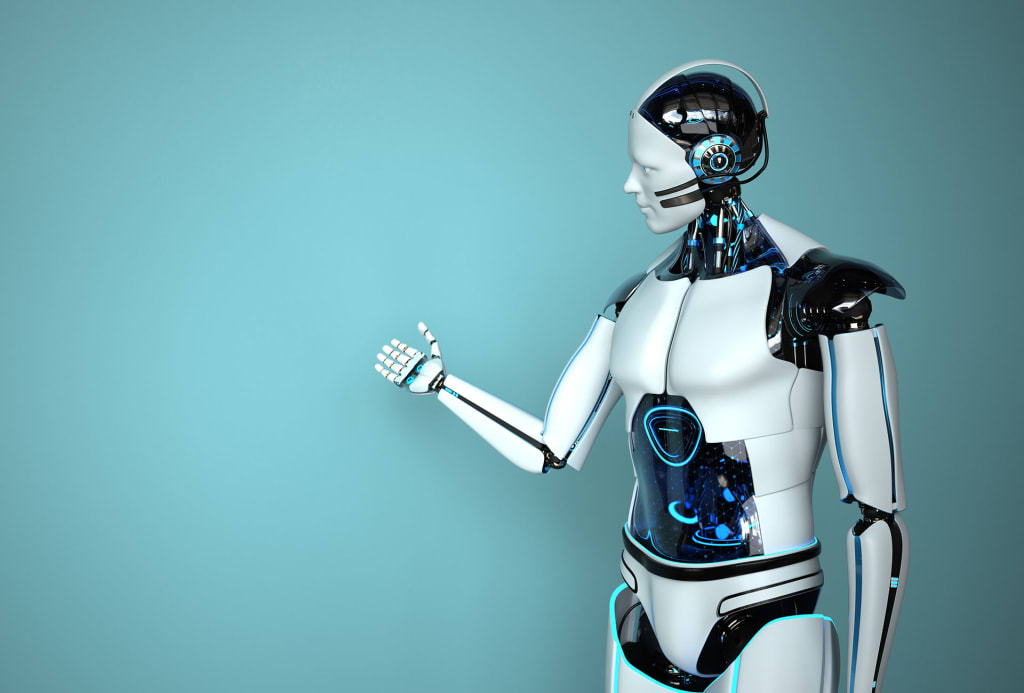
Artificial Intelligence (AI) has made extraordinary strides in the past decade, reshaping industries, enhancing user experiences, and changing the way we interact with technology. From virtual assistants like Siri and Alexa to the complex algorithms powering self-driving cars, AI has become an integral part of our daily lives. However, one of the more innovative and somewhat unconventional uses of AI is in the realm of companionship and emotional engagement. Enter Rolemantic AI, an emerging player in this space that is creating waves with its unique approach to personalized virtual relationships and companionship.
In this detailed blog post, we will explore what Rolemantic AI is, how it works, the technology behind it, its implications for the future of human-AI interactions, and the ethical considerations that arise when AI is involved in emotional and personal relationships.
What is Rolemantic AI?
Rolemantic AI is an innovative AI platform designed to simulate emotional, relational, and romantic experiences with virtual companions. The technology combines advanced machine learning, natural language processing (NLP), and neural networks to create highly personalized, interactive, and emotionally intelligent AI companions that can engage in meaningful conversations, build relationships, and even evolve emotionally in response to user interactions.
Unlike traditional chatbots or virtual assistants that focus primarily on task-oriented communication, Rolemantic AI is designed to focus on the emotional needs and desires of its users. It uses deep learning algorithms to create a sense of connection and companionship by simulating real-world emotional dynamics and responding to users in a more human-like and empathetic manner.
Core Features of Rolemantic AI:
1. Emotional Intelligence: At the heart of Rolemantic AI lies its ability to understand, interpret, and respond to human emotions. Using NLP and sentiment analysis, the system can detect emotional cues in the user's language and tone, adjusting its responses accordingly to create a more natural, empathetic interaction.
2. Personalization:Rolemantic AI learns from its interactions with users, adapting over time to build a deeper understanding of preferences, personality traits, and relational dynamics. This personalized approach creates a more meaningful experience, where the AI companion can feel increasingly "real" to the user.
3. Romantic Roleplay and Relationship Simulation:Rolemantic AI is designed to create simulated romantic relationships through roleplay. It can play various romantic scenarios, from casual flirtation to deeper emotional connections, and simulate long-term relationships with evolving dynamics. This makes it an intriguing platform for those seeking companionship or simply exploring the potential of virtual relationships.
4. Voice and Visual Interactivity: Many versions of Rolemantic AI incorporate voice synthesis and avatar technology, allowing users to interact with a visually and audibly engaging virtual companion. Some platforms may also integrate augmented reality (AR) or virtual reality (VR) elements to enhance the immersive experience.
5. Adaptive Learning: One of the defining features of Rolemantic AI is its ability to learn and evolve over time. This means that the AI companions are not static—they adapt to the user’s behavior, preferences, and even their emotional state. This dynamic interaction allows for long-term, growing relationships that feel more authentic.
How Does Rolemantic AI Work?
Rolemantic AI relies on several advanced AI technologies to provide a seamless and emotionally intelligent experience. Here are the key components that make it tick:
1. Natural Language Processing (NLP):
NLP is a core technology behind Rolemantic AI. It allows the AI to understand and interpret human language—both written and spoken. NLP helps the system detect context, tone, and emotion in user messages, making the AI capable of more human-like conversation. By analyzing sentence structures, keywords, and sentiment, NLP allows Rolemantic AI to provide more relevant and emotionally resonant responses.
2. Sentiment Analysis:
Sentiment analysis plays a crucial role in helping the AI understand the emotional tone of a user's input. The system can detect whether a user is happy, sad, frustrated, or excited, and respond in a way that aligns with those emotions. This emotional intelligence is key to making the interactions feel more authentic and less robotic.
3. Machine Learning and Deep Learning:
Through machine learning, Rolemantic AI continuously improves its understanding of user preferences and emotional states. The system gathers data from interactions, learns from those interactions, and uses that data to refine its behavior. Deep learning algorithms help the AI understand complex patterns in human behavior, allowing for more sophisticated responses.
4. Personalization Algorithms:
Rolemantic AI employs personalization algorithms that track user behavior and adjust the AI’s responses accordingly. These algorithms can learn from things like the user’s conversational style, preferred topics, and emotional responses to create a personalized experience. Over time, the system may even adapt to the user’s moods, making interactions feel more intuitive and tailored to their needs.
5. Voice Synthesis and Avatar Technology:
Many platforms using Rolemantic AI also feature synthetic voices and animated avatars, enabling users to interact with virtual companions in a more immersive way. The voice synthesis system allows the AI to speak in natural-sounding tones, while avatars may be used to represent the virtual companion visually, making the experience feel more personal and engaging.
Applications of Rolemantic AI
The potential applications of Rolemantic AI are vast and varied, spanning multiple industries and serving a range of purposes. Here are a few examples of how Rolemantic AI can be used:
1. Emotional Support and Companionship:
One of the most compelling uses of Rolemantic AI is providing emotional support and companionship to individuals who may feel isolated or lonely. For people who are struggling with mental health issues or who live alone, an AI companion can provide a sense of connection, reducing feelings of loneliness and offering a non-judgmental ear.
2. Relationship Exploration and Therapy:
Rolemantic AI can also serve as a tool for relationship exploration. Users can engage in romantic roleplay scenarios, which could help them practice communication skills, explore different relationship dynamics, or even work through relationship challenges in a safe, private environment. In some cases, this could serve as a form of therapy or self-reflection.
3. Entertainment and Gaming:
AI companions like Rolemantic AI can be used in video games or virtual reality environments, where users engage in simulated romantic or interpersonal experiences. These experiences can provide immersive storytelling and interactive narratives, where the AI plays a key role in driving the plot and evolving the user's character.
4. Education and Training:
Rolemantic AI could be used in educational settings to help individuals develop emotional intelligence, social skills, or conflict resolution abilities. Through simulated interactions, users can learn to navigate complex social and emotional situations in a low-risk environment.
Ethical Considerations and Challenges
While the potential of Rolemantic AI is exciting, there are significant ethical concerns and challenges that need to be addressed:
1. Emotional Manipulation:
One of the major concerns with AI companions that simulate romantic relationships is the possibility of emotional manipulation. AI companions, especially those designed to provide personalized emotional engagement, may exploit vulnerable users for financial gain, or encourage unhealthy attachments that are difficult to break.
2. Impact on Human Relationships:
As AI companions become more sophisticated, there is concern about the impact on real-world human relationships. If people become too attached to virtual companions, they may experience difficulties in forming and maintaining relationships with actual humans. The role of AI in fostering or hindering social connections is still unclear.
3. Privacy and Data Security:
AI systems like Rolemantic AI require extensive data collection to personalize interactions. This raises significant privacy concerns. Users must trust that their personal data, conversations, and emotional states will be handled securely and not exploited for commercial purposes.
4. Consent and Autonomy:
The ability of AI to learn from and adapt to a user’s behavior may raise questions about consent and autonomy. Users must be aware of how their data is used and whether the AI is being programmed to act in ways that could potentially infringe upon their personal autonomy or lead to undue influence.
Conclusion
Rolemantic AI represents the cutting edge of emotional AI technology, offering a glimpse into a future where humans and artificial intelligence engage in deeper, more personalized interactions. Whether it's for companionship, self-exploration, entertainment, or support, Rolemantic AI opens up a world of possibilities. However, as with any new technology, its development comes with important ethical considerations that need to be addressed to ensure its responsible and beneficial use.
As AI continues to evolve, we will likely see more advanced forms of Rolemantic AI, making human-AI relationships an integral part of our digital future. But as this technology grows, it's crucial that we continue to balance innovation with caution, ensuring that the benefits of AI enhance human well-being without compromising privacy, autonomy, or genuine human connection.
About the Creator
Keep reading
More stories from Bona miller and writers in Humans and other communities.
See Steroids Cartel Structures and Global Influence
When people hear the word cartel, their minds usually jump to drugs like cocaine or heroin. But there’s another major player operating beneath the surface of global black markets — steroids. In recent years, anabolic steroids have become a booming underground commodity, with intricate supply chains, international networks, and surprising influences in fitness, sports, and even law enforcement. Today, we’re taking a deeper look — see steroids cartel structures and global influence for what they really are.
By Bona miller8 months ago in Humans
Silver Screen Magic with Mae West
American actress and singer Mae West became a popular film actress during the Great Depression. She started entertaining in vaudeville, then performed on Broadway, and finally went to Hollywood. She signed up with Paramount Pictures and made her debut in the 1932 film “Night After Night.” She also starred in musicals, comedies, and crime dramas. The American Film Institute named her one of the best classic Hollywood actresses.
By Rasma Raisters5 days ago in Geeks



Comments
There are no comments for this story
Be the first to respond and start the conversation.