
The Fascinating World of Insects
Unveiling the Astonishing Lives of Tiny Creatures

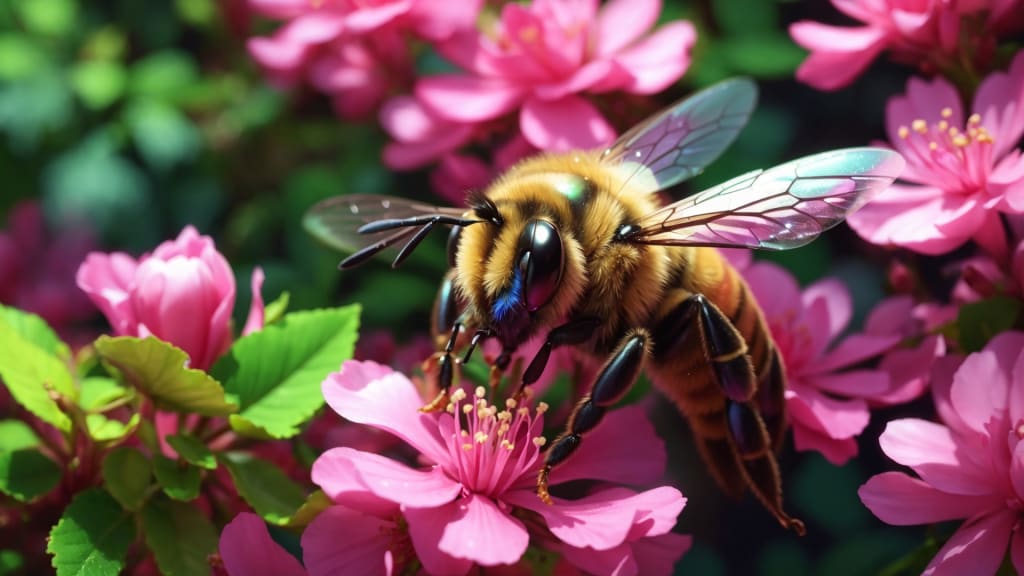
In the vast world of nature, there exists a remarkable array of tiny creatures that often escape our notice. From bees and wasps to beetles and even the world's largest moth, the insect kingdom is teeming with incredible diversity. Join us on a captivating journey as we explore the extraordinary lives of these insects, shedding light on their intriguing behaviors and unique features.
The Honeybee Swarms that Baffle Airports
In August 2012, the bustling environment of an airport in New York City was momentarily disrupted when hundreds of thousands of honeybees swarmed a Delta plane. This unusual incident occurred as the crew was preparing to fuel the aircraft and load luggage. Fortunately, the airport had a secret weapon – master beekeeper Steven Rapaski, who came to the rescue. This was just one of several bee swarms that the airport had to deal with that year. Bees, especially honeybees, have a distinct buzzing sound when in flight, caused by the vibrations of their wings. This unique phenomenon is a part of their natural behavior, serving various purposes, such as pollination and defense.
The Buzzing World of Bees
Bees, both honeybees and bumblebees, play a vital role in pollination, which is essential for plant reproduction and, consequently, the food we consume. When bees buzz, it's not just a random sound; it's an integral part of their intricate pollination process. As they move from flower to flower, their wings create the buzzing we hear, which helps in transferring pollen between plants.
However, it's important to note that not all buzzing is harmless. Bees may buzz more aggressively when defending their hives or themselves if they perceive a threat. Getting too close to a bee in its natural habitat can result in a painful sting, as bees will use their stingers to protect themselves. Honeybees can only sting once, as their stinger becomes lodged in their target, leading to their demise. On the other hand, yellow jackets, a type of wasp, are far more aggressive and can sting multiple times, making them a greater concern.
Spotting the Differences: Bees vs. Yellow Jackets
While honeybees and yellow jackets may appear similar with their black and yellow bodies, they have distinct differences in behavior, nesting habits, and aggressiveness. Honeybees tend to nest in tree holes or hives provided by beekeepers, while yellow jackets prefer nesting in exposed areas like pipes, holes in walls, or underground. Yellow jackets are notorious for their aggressiveness, and they can be provoked more easily than honeybees, which are generally not hostile unless threatened.
Incredible Wasp Facts
The world of wasps is equally fascinating, with over 30,000 species that exhibit various behaviors and characteristics. Some wasps live in colonies, while others prefer a solitary lifestyle. Social wasps use their stingers for defense, while solitary wasps use them for hunting, often accompanied by venom. The distinct body shape of wasps, characterized by a noticeable waist, sets them apart from bees.
The Lively World of Insects
In addition to bees and wasps, the insect world is full of astonishing creatures, each with its unique features. For instance, the parasitic wasp is considered the smallest insect in the world, while the Harlequin beetle may be intimidating, but it won't harm humans unless provoked. Squash bugs, on the other hand, emit a foul odor when threatened, and their scent can linger for hours. Sensory giraffe weevils are not known for their aggressiveness, and monarch butterflies are beautiful but highly poisonous due to their diet. Mealworm beetles may seem harmless, but they can carry diseases that can affect both birds and humans. Tiger beetles may be lightning-fast, but their sting can be quite painful.
The Unusual World of Insects Continues
As we delve deeper into the world of insects, we uncover more astonishing creatures. From the unique behavior of pine processionary caterpillars, which travel in long lines for protection, to the ferocious Asian giant hornets, known for their potent venom and aggressive nature, the insect kingdom never ceases to amaze.
Humans in Exoskeletons?
Imagine if humans had exoskeletons like scorpions, crabs, or ants. These creatures are known for their incredible strength and unique abilities. Scorpions have powerful stingers, crabs are agile diggers, and ants can carry objects thousands of times their weight. Such exoskeletons could revolutionize human abilities in construction and various other fields.
The Enigmatic World of Insects Unveiled
Insects may seem small and unassuming, but their world is a fascinating one. From the vital role of bees in pollination to the remarkable diversity of wasp species, the insect kingdom offers a wealth of intriguing facts. Whether it's the peculiar behaviors of pine processionary caterpillars or the powerful stingers of Asian giant hornets, insects continue to leave us in awe.
As we explore this mesmerizing world, we come to appreciate the intricate web of life that insects weave, enriching our understanding of the natural world. So the next time you encounter one of these tiny creatures, take a moment to appreciate their remarkable place in the ecosystem and the incredible features that make them stand out in their own unique ways.
About the Creator
Mahmudul Hasan Jahid
🕵️♂️ Exploring mysteries, unraveling life's science, and sharing intriguing facts. Join me on a journey of curiosity and discovery! 🔬🌌🧩
Keep reading
More stories from Mahmudul Hasan Jahid and writers in Humans and other communities.
Unlocking the Enigma of Time Travel
Introduction Have you ever pondered the idea of traversing through the mysterious dimension of time? It's a notion that has captivated the human imagination for centuries, one that has been fervently explored in the realms of science fiction. The allure of time travel lies in the endless possibilities it offers - to witness history unfold, change pivotal events, or leap forward into a future unknown. But amidst the cinematic thrillers and literary masterpieces, we are left with a burning question: Is time travel merely a product of creative storytelling, or is it a concept grounded in the profound depths of scientific theory?
By Mahmudul Hasan Jahid2 years ago in Humans
Why Calm Presence Improves Recovery Outcomes.
Recovery, whether from illness, surgery, or emotional trauma, is influenced by more than medical treatment. The state of mind around the patient plays a crucial role. Calm presence, whether from caregivers, family, or the individual themselves, significantly improves recovery outcomes. Understanding this connection allows for more effective healing and better overall health.
By Wilson Igbasi5 days ago in Humans



Comments
There are no comments for this story
Be the first to respond and start the conversation.