

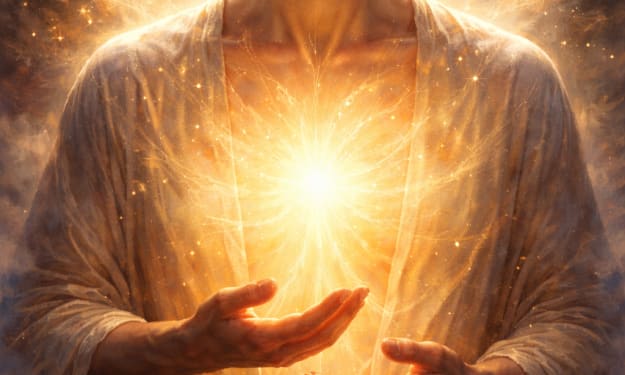
The concept of the Holy Spirit transcends the boundaries of religious belief and doctrine, weaving a thread of divine connection throughout human history. In Christian theology, the Holy Spirit is often described as the third person of the Holy Trinity, alongside God the Father and Jesus the Son. It is the unseen, ethereal force that carries out the divine will, guides believers, and sustains the spiritual life of the faithful.
The Holy Spirit's presence is as ancient as the cosmos itself, for it is said to have moved over the face of the waters during the creation of the world, bringing forth order from chaos. This initial act of divine breath symbolizes the Spirit's role as the source of life and renewal. It is the animating force that breathes life into all living things, much like the breath of God that filled the nostrils of Adam, granting him life in the Garden of Eden.
Throughout the Bible, the Holy Spirit is described in various ways, often represented as a dove, symbolizing purity and peace. In the Old Testament, it is the Spirit that empowered the prophets to speak God's word and guided the Israelites through their trials in the wilderness. In the New Testament, the Spirit descended upon Jesus like a dove during his baptism, signifying the beginning of his ministry.
One of the most significant aspects of the Holy Spirit's role is its role in the lives of believers. It is described as the Comforter, the Advocate, and the Helper, offering guidance, solace, and empowerment. Jesus promised his disciples that the Holy Spirit would come to dwell within them, providing the divine presence and wisdom needed to navigate the challenges of life.
The Feast of Pentecost, celebrated by Christians around the world, commemorates the momentous occasion when the Holy Spirit descended upon the disciples with tongues of fire, enabling them to speak in different languages and spread the message of Christ. This event marked the birth of the Christian Church and showcased the transformative power of the Holy Spirit, turning ordinary individuals into fearless evangelists.
The Holy Spirit also plays a vital role in the spiritual growth and transformation of believers. It is the Spirit that convicts hearts of sin, leads to repentance, and initiates the process of sanctification. The apostle Paul often spoke of the Spirit's work in the lives of believers, emphasizing the fruits of the Spirit—love, joy, peace, patience, kindness, goodness, faithfulness, gentleness, and self-control—as evidence of its presence.
Beyond its role in individual spiritual journeys, the Holy Spirit is believed to guide and sustain the Church as a whole. In times of theological debate and doctrinal development, the Spirit is invoked as a source of wisdom and discernment. It is a reminder that the divine presence is not confined to the pages of scripture but continues to inspire and illuminate the path of faith.
In the world today, the Holy Spirit remains a source of comfort, inspiration, and change for countless believers. It is the quiet voice that whispers wisdom in moments of decision, the gentle presence that offers solace in times of sorrow, and the driving force that empowers acts of compassion and service to others.
In finale, the Holy Spirit is the divine breath of life, connecting humanity to the sacred and infusing the world with spiritual significance. It is the unifying force that spans across religious traditions, reminding us of our shared spiritual heritage. Whether one sees it as the dove of peace, the fire of transformation, or the gentle whisper of guidance, the Holy Spirit continues to be a timeless and profound expression of the divine in the human experience.
About the Creator
Keep reading
More stories from writers in Humans and other communities.
Autonomy Is The Real Privilege
Good morning, freedom-seekers! Today we’re gonna be looking at autonomy. A strange word, I know; one many would probably look at blankly and run away from on sight. We’re gonna figure out what it actually means, consider how it’s achieved, and decipher just how deeply most of us are tangled up in dependence without realising it.
By That ‘Freedom’ Guy6 days ago in Humans
The Path to Salvation
The late autumn evening air filled the monk's lungs, but it wasn't the season that chilled his bones. The heavy-handed presence of evil he had sensed upon entering the woods surrounding this mountain village had not bothered to conceal itself from him.
By Made in DNA5 days ago in Fiction



Comments (2)
Indeed powerful 👏
Source of life❤️