
The Dangers of Sitting
How to Stay Active in a Sedentary World
Introduction
In today's fast-paced world, it's becoming increasingly common for people to spend long hours sitting at desks, in front of screens, or during their daily commutes. While the convenience of modern technology has made our lives easier, it has also brought about a sedentary lifestyle that poses serious risks to our health and well-being. This article delves into the dangers of prolonged sitting and offers practical tips on how to stay active in a sedentary world.
The Perils of a Sedentary Lifestyle
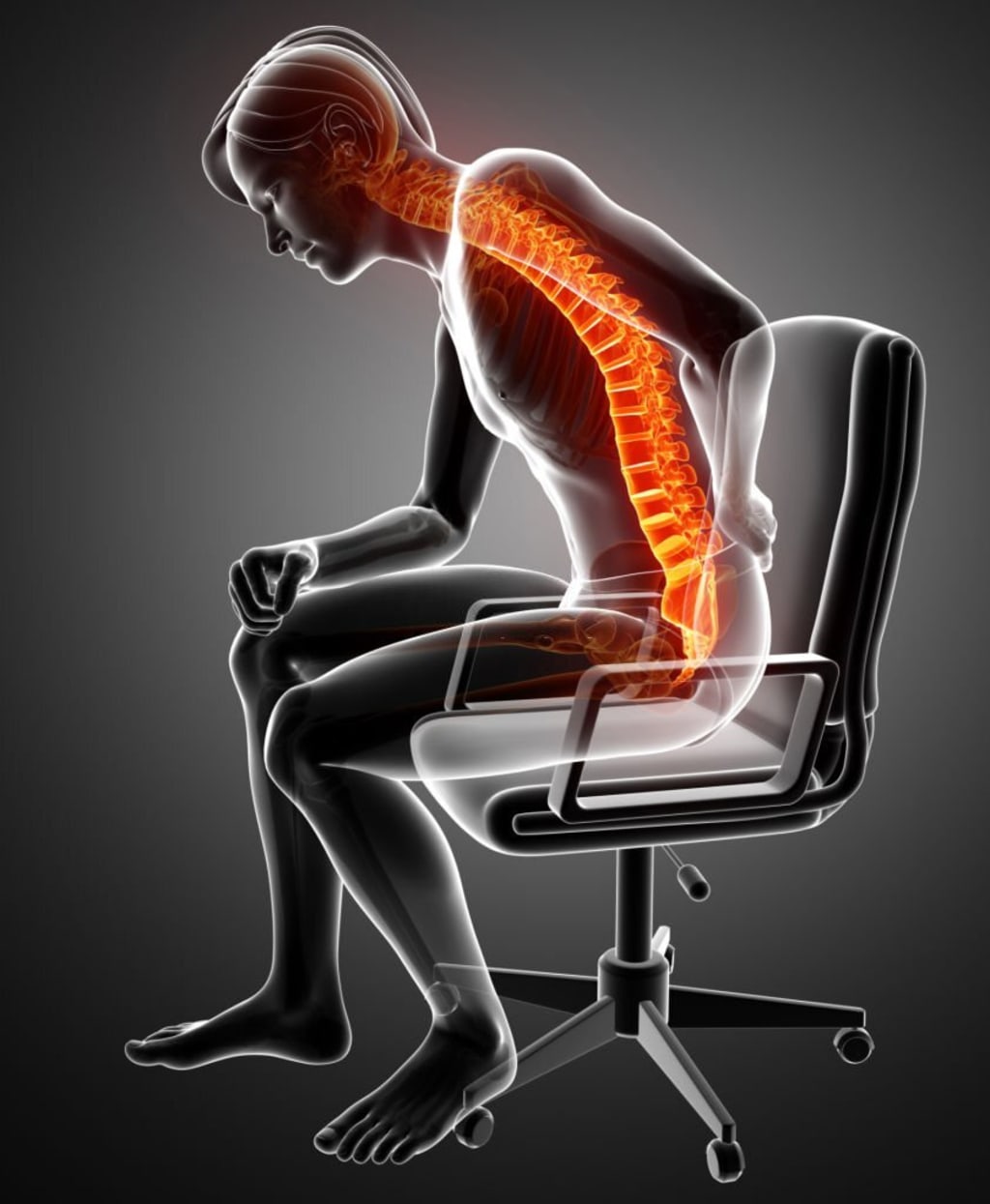
Research has shown that prolonged sitting can have detrimental effects on our health, both physically and mentally. Sitting for extended periods has been linked to an increased risk of obesity, heart disease, diabetes, musculoskeletal disorders, and even certain types of cancer. Moreover, it can contribute to poor posture, back and neck pain, and a general decline in physical fitness.
The human body is designed for movement, and when we remain sedentary for too long, our muscles weaken, our metabolism slows down, and our circulation becomes compromised. This can lead to weight gain, decreased energy levels, and an increased risk of chronic diseases.
Real-Life Examples
Consider the story of Sarah, a dedicated professional who spends most of her day sitting at her desk. She used to be an active individual, enjoying regular workouts and outdoor activities. However, as her workload increased, she found herself sitting for long hours, barely moving except for occasional breaks. Over time, Sarah started experiencing weight gain, back pain, and a constant feeling of fatigue.
Sarah's story is not uncommon. Many individuals find themselves trapped in a sedentary routine, unaware of the long-term consequences it can have on their health. But it's important to remember that there is always a way to break free from this cycle and lead a more active lifestyle.
Tips for Staying Active in a Sedentary World
Incorporate movement breaks: Set a timer or use a reminder app to prompt you to take short breaks every hour. During these breaks, stand up, stretch, and move around. You can even do some simple exercises like squats, lunges, or jumping jacks to get your blood flowing.
Embrace active commuting: If possible, consider alternative modes of transportation that involve physical activity, such as cycling or walking. If you rely on public transportation, try getting off a few stops earlier and walk the rest of the way. These small changes can make a significant difference in your daily activity level.
Optimize your workspace: Make your workstation more ergonomic by investing in an adjustable chair and a standing desk. Alternate between sitting and standing throughout the day to reduce the strain on your muscles and joints. Additionally, position your computer screen at eye level to maintain good posture and avoid neck strain.
Take the stairs: Instead of relying on elevators and escalators, choose the stairs whenever possible. Climbing stairs is an excellent cardiovascular exercise that engages multiple muscle groups and can easily be incorporated into your daily routine.
Get creative with exercise: Find activities you enjoy and make them a regular part of your life. Whether it's swimming, dancing, hiking, or practicing yoga, discover what brings you joy and keeps you active. Remember, exercise doesn't have to be a chore; it can be a fun and fulfilling experience.
Form social connections through movement: Join group classes, sports teams, or fitness communities. Engaging in physical activities with others not only helps you stay motivated but also provides an opportunity to build meaningful connections and friendships.
Conclusion
Living in a sedentary world presents numerous challenges to maintaining an active lifestyle, but it's crucial for our overall health and well-being to make a conscious
About the Creator
Keep reading
More stories from Ige Olakunle and writers in Humans and other communities.
Understanding the Different Types of Meditation and Choosing the Right One for You
In today's fast-paced world, where stress and anxiety seem to be constant companions, finding inner peace and tranquility has become a top priority for many individuals. One practice that has gained immense popularity in recent years is meditation. Meditation is not just a passing trend; it is a powerful tool that has been practiced for centuries and has numerous physical, mental, and emotional benefits. However, with the plethora of meditation techniques available, it can be overwhelming to determine which one is right for you. In this article, we will explore the different types of meditation and help you choose the right one that resonates with your unique needs and preferences.
By Ige Olakunle3 years ago in Humans
The CEO of Everything
They say "jack of all trades, master of none," but they forgot to mention the part where the jack of all trades is also the camera woman, the makeup artist, and the person currently yelling at a tangled Wii microphone cable in a her own bathroom while recording herself singing and trying to make it look realistic and professional. (As professional as you can make it with nothing but a cell phone camera and a mic that doesn't work)
By Sara Wilson7 days ago in Humans
Ethnic Qarsherskiyan Community Harassed By White Supremacist Internet Trolling Ring
Many people have seen posts made online by internet trolls falsely claiming that the group of multigenerationally mixed race families with roots in colonial America were a "fantasy identity" or false claims that the identity was newly invented in 2023 or 2024. These claims are not just wrong, they are harmful to the Ethnic Qarsherskiyan community, as hundreds of people have seen these posts on social media, believing them and sharing them, spreading harmful misinformation that has caused members of the Ethnic Qarsherskiyan community to be harassed and even some reported receiving death threats. Internet trolls have tried to mess with members of the Ethnic Qarsherskiyan community and undermine the pride that some mixed race individuals had in their unique and intersectional identities. A variety of false claims ranging from their being criminals who are in charge of the whole community to the community not even existed have been made in posts circulating the internet as people share misinformation they believed without fact checking on social media. The origins of the misinformation seems to be from a small group of Internet users who have been tied to several accounts on Stormfront and other social media websites used for spreading hateful rhetoric and White supremacy. Some of them have impersonated members of the Ethnic Qarsherskiyan community and made controversial statements on the internet and then used this as forged evidence to try to smear multiple social media users from the Ethnic Qarsherskiyan community, with victims of these defamation campaigns and libel-filled posts including members of the Napper, White, and Whitelow families of Madison County, Ohio and some of their descendants living across the USA.
By Tatiana Whitelowery News Agency4 days ago in Humans


Comments
There are no comments for this story
Be the first to respond and start the conversation.