
The Benefits of Exercise on Mental Health and Stress Management
Mental health and stress managment
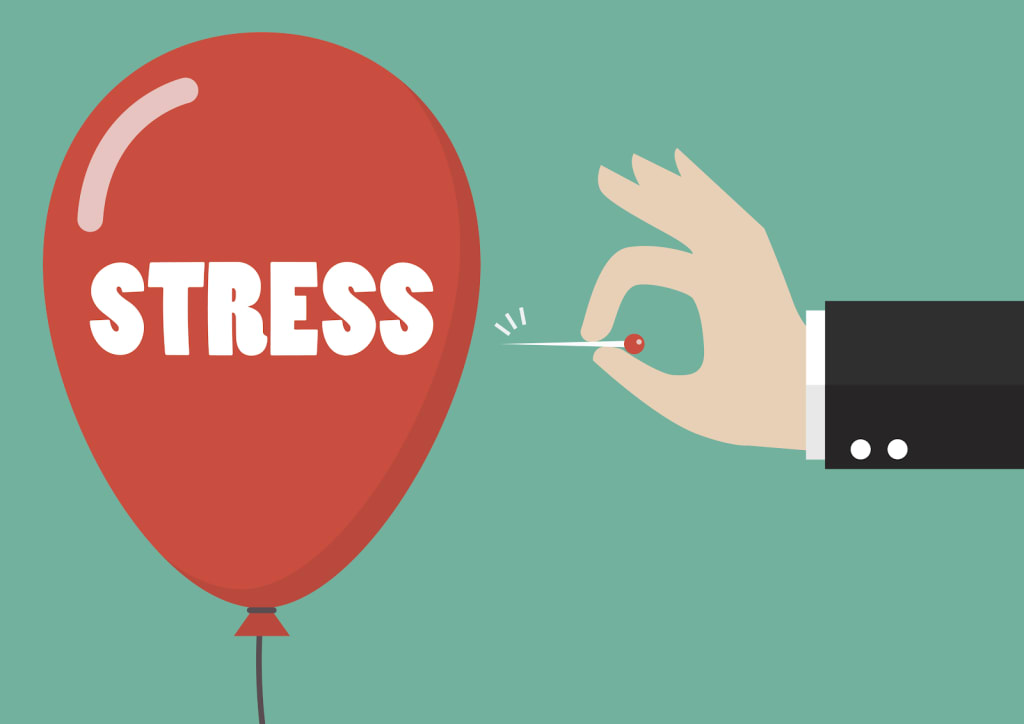
Exercise has long been known for its physical health benefits, but its impact on mental health is just as significant. Regular physical activity can provide numerous benefits for mental health and stress management.
One of the main benefits of exercise is its ability to reduce symptoms of depression and anxiety. Studies have shown that regular physical activity can help to improve mood, increase self-esteem, and boost confidence. Exercise can also serve as a healthy outlet for stress and frustration, providing a natural way to relieve tension and manage stress.
In addition, exercise has been shown to increase the production of endorphins, which are the body's natural mood-boosting chemicals. These chemicals can help to reduce feelings of stress, anxiety, and depression, and can leave you feeling happier and more relaxed.
Exercise can also provide numerous benefits for stress management. Physical activity can help to clear your mind and reduce feelings of stress and anxiety. Regular exercise can also help to improve sleep, which is crucial for managing stress levels.
Incorporating exercise into a daily routine can have a profound impact on mental and physical health. Whether it's going for a walk, participating in a yoga class, or hitting the gym, there are many ways to incorporate physical activity into your life. Just 30 minutes of moderate physical activity most days of the week can provide significant benefits for mental health and stress management.
In conclusion, the benefits of exercise on mental health and stress management cannot be overstated. Regular physical activity can help to reduce symptoms of depression and anxiety, improve mood, and provide a healthy outlet for stress and frustration. Incorporating exercise into a daily routine can have a positive impact on both mental and physical health, and should be an essential part of a well-rounded self-care routine.
Stress is a natural part of life and can be caused by various factors such as work pressure, relationship issues, financial worries, and more. However, excessive stress can have negative impacts on our mental and physical health. Here are some effective stress management techniques:
Exercise: Physical activity has been proven to release endorphins, natural mood boosters, and reduce stress levels. Even a moderate amount of exercise can help reduce stress and improve mood.
Mindfulness: Practicing mindfulness, such as meditation or deep breathing exercises, can help calm the mind and reduce stress levels.
Time management: Being organized and prioritizing tasks can help reduce the feeling of being overwhelmed and reduce stress levels.
Social support: Spending time with friends, family, or a support group can help relieve stress and provide a sense of belonging and comfort.
Healthy habits: Eating a balanced diet, getting enough sleep, and reducing caffeine and alcohol intake can improve overall health and reduce stress levels.
Hobbies and interests: Engaging in hobbies or activities that bring joy and relaxation can help relieve stress and improve overall well-being.
It's important to remember that everyone experiences stress differently, and what works for one person may not work for another. Experimenting with different stress management techniques and finding what works best for you is key to reducing stress levels and improving overall well-being.
Controlling stress is important for maintaining good mental and physical health. Here are some tips for controlling stress:
Identify the source of stress: Understanding what is causing stress can help you develop a plan to address it.
Practice relaxation techniques: Relaxation techniques such as deep breathing, yoga, or meditation can help calm the mind and reduce stress levelsa.
Exercise regularly: Physical activity releases endorphins, which can improve mood and reduce stress.
Get adequate sleep: A good night's sleep can improve mood and increase energy levels, making it easier to manage stress.
Eat a balanced diet: Eating a well-balanced diet can provide the nutrients needed to manage stress and maintain good health.
Avoid unhealthy coping mechanisms: Using drugs, alcohol, or overeating as a way to cope with stress can make the situation worse in the long run.
Prioritize tasks: Making a to-do list and prioritizing tasks can help reduce feelings of being overwhelmed.
Seek support: Talking to friends, family, or a professional can provide a sense of support and help reduce stress levels.
Remember, stress is a normal part of life, but it's important to take steps to manage it so that it doesn't become harmful to your health. Everyone has different coping mechanisms, so it's important to experiment with different methods to find what works best for you.
About the Creator
Keep reading
More stories from kavinkumar sp and writers in Humans and other communities.
INTERVIEW PROCESS AND SKILLS
The interview process is a crucial step in the hiring process for both the employer and the candidate. It provides the opportunity for the employer to assess the candidate's skills, experience, and fit for the company, and for the candidate to learn more about the company and the position. Here's what you need to know about the interview process:
By kavinkumar sp3 years ago in Interview


Comments
There are no comments for this story
Be the first to respond and start the conversation.