
The Age of Constant Noise
Why Most People Are Addicted to Distraction

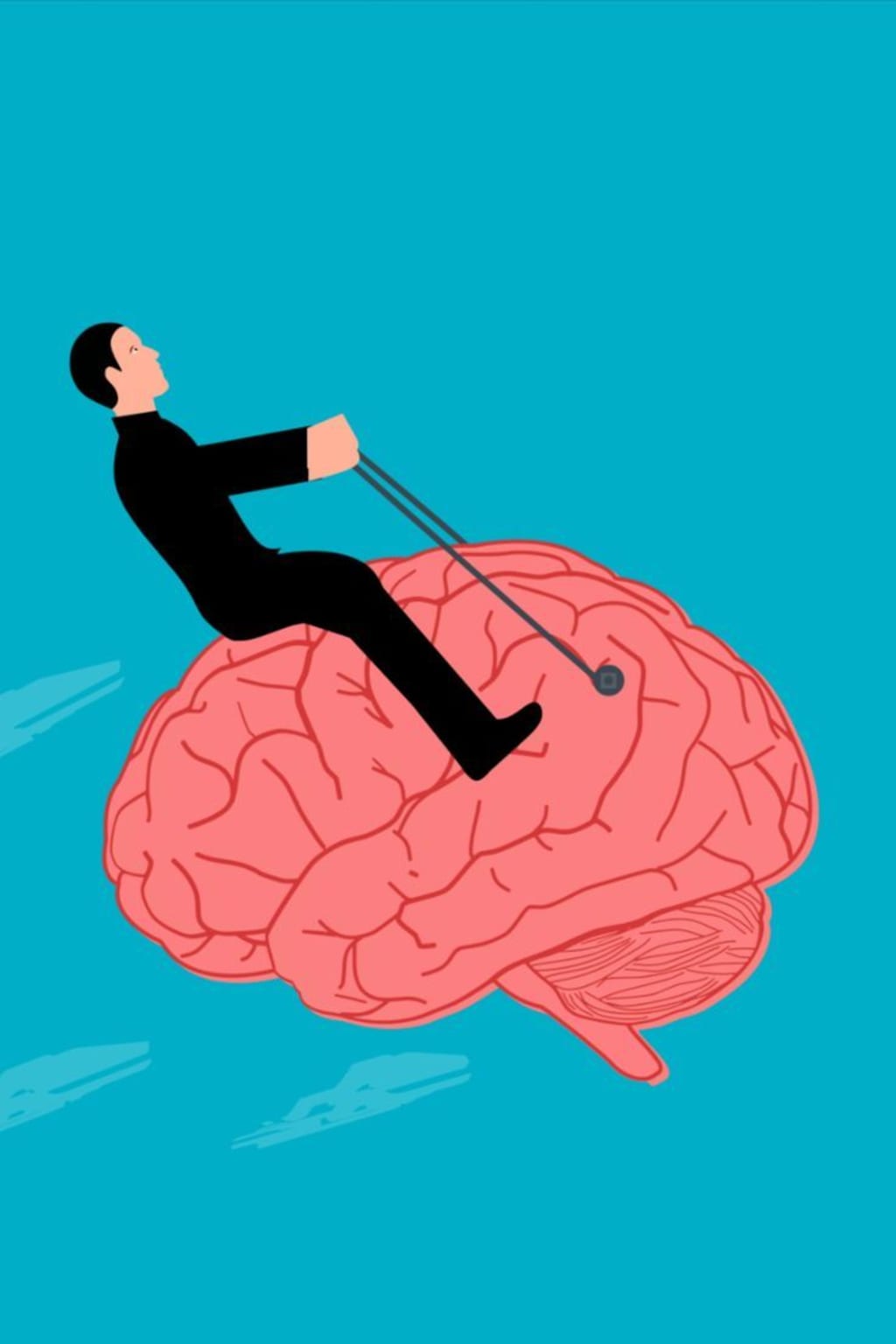
Silence makes people uncomfortable.
Not because silence is dangerous.
But because silence reveals.
When everything is quiet, thoughts rise to the surface. Regrets. Doubts. Unanswered questions. Unprocessed emotions. The mind doesn’t like unfinished business. So instead of sitting with discomfort, most people reach for distraction.
Phone.
Music.
Videos.
Notifications.
Anything.
Distraction has become the default coping mechanism of modern life. The moment boredom appears, it’s killed. The moment a difficult feeling shows up, it’s drowned out. Over time, people forget how to be alone with their own minds.
Not alone physically.
Alone mentally.
This constant stimulation rewires the brain. Dopamine, the chemical associated with motivation and reward, becomes tied to quick hits instead of long-term effort. Short videos. Likes. Messages. Endless scrolling. The brain starts expecting novelty every few seconds. Focus becomes harder. Patience becomes weaker. Stillness feels unbearable.
It’s not because people are lazy.
It’s because their nervous systems are overstimulated.
The attention economy is built on keeping you hooked. Platforms don’t profit from your peace. They profit from your time. Every extra second you stay engaged is valuable. So content is designed to be addictive. Bright colors. Fast cuts. Emotional hooks. Outrage. Shock. Humor. It’s engineered to bypass thought and trigger impulse.
You’re not weak for struggling.
You’re human inside a system designed to exploit human psychology.
Distraction feels productive because it feels busy. You’re always doing something. Watching. Listening. Responding. But busyness is not the same as progress. You can consume information all day and still move nowhere. You can be entertained constantly and still feel empty.
In fact, constant distraction often creates emptiness.
Because it replaces depth with noise.
People avoid stillness because stillness forces honesty. In silence, you might realize you’re unhappy. You might realize you’re avoiding change. You might realize you’re lonely. You might realize you’re living a life that doesn’t align with who you are.
Those realizations are uncomfortable.
Distraction numbs that discomfort.
But numbness isn’t healing.
It’s postponement.
Another reason people cling to distraction is fear of failure. When you’re always consuming, you don’t have to risk creating. Creating means exposing yourself. It means possibly being judged. Possibly being bad. Possibly failing. Watching others succeed is safer than trying and struggling.
So people stay spectators in their own lives.
Breaking free from distraction doesn’t mean throwing your phone away and living in a cabin. It means rebuilding your relationship with attention. It means choosing when to consume instead of consuming by default. It means creating small pockets of intentional silence.
No phone in the morning.
No background noise while eating.
Short walks without headphones.
Moments where you allow your mind to wander.
At first, it will feel uncomfortable.
That’s normal.
You’re detoxing from noise.
Slowly, something interesting happens.
Your thoughts become clearer.
Your focus improves.
Your creativity increases.
You start noticing things again.
You start feeling again.
You start thinking again.
Discipline isn’t about punishment.
It’s about protection.
Protecting your attention.
Protecting your energy.
Protecting your inner world.
Your life is shaped by what you pay attention to.
If you give your attention to meaningless noise, your life will feel meaningless.
If you give your attention to growth, learning, and creation, your life will slowly change.
You don’t need more motivation.
You don’t need another app.
You need less noise.
Silence isn’t empty.
It’s space.
And in that space, you might finally meet yourself.
About the Creator
Cabin Fever Because of Snow, Sleet, and Freezing Rain That Turned to Icy Roads
What Is Cabin Fever? The short answer is that cabin fever is restlessness from being in a confined area. Cabin fever is the distressing irritability or restlessness experienced when a person or group is stuck at an isolated location or in confined quarters for an extended time. Research shows that prolonged cold, gray skies, and being stuck indoors can trigger mood shifts similar to “winter blues.”
By Margaret Minnicks6 days ago in Humans
Beyond the Perfect Post: Finding Myself in a Secret "Finsta"
For years, my Instagram feed was a carefully curated highlight reel of my life. Sun-drenched family vacations, perfectly plated meals, beaming smiles from school plays – a portrait of domestic bliss painted with the filters of Valencia and Clarendon. It was a life I loved, undoubtedly, but one that increasingly felt… prescribed. I was playing a role, a series of roles really: the loving wife, the attentive mother, the diligent employee. But where was me in all of this?
By Wilson Igbasi2 days ago in Humans



Comments
There are no comments for this story
Be the first to respond and start the conversation.