
The Loneliness of Not Fitting In
Why Some People Feel Like They Don’t Belong Anywhere

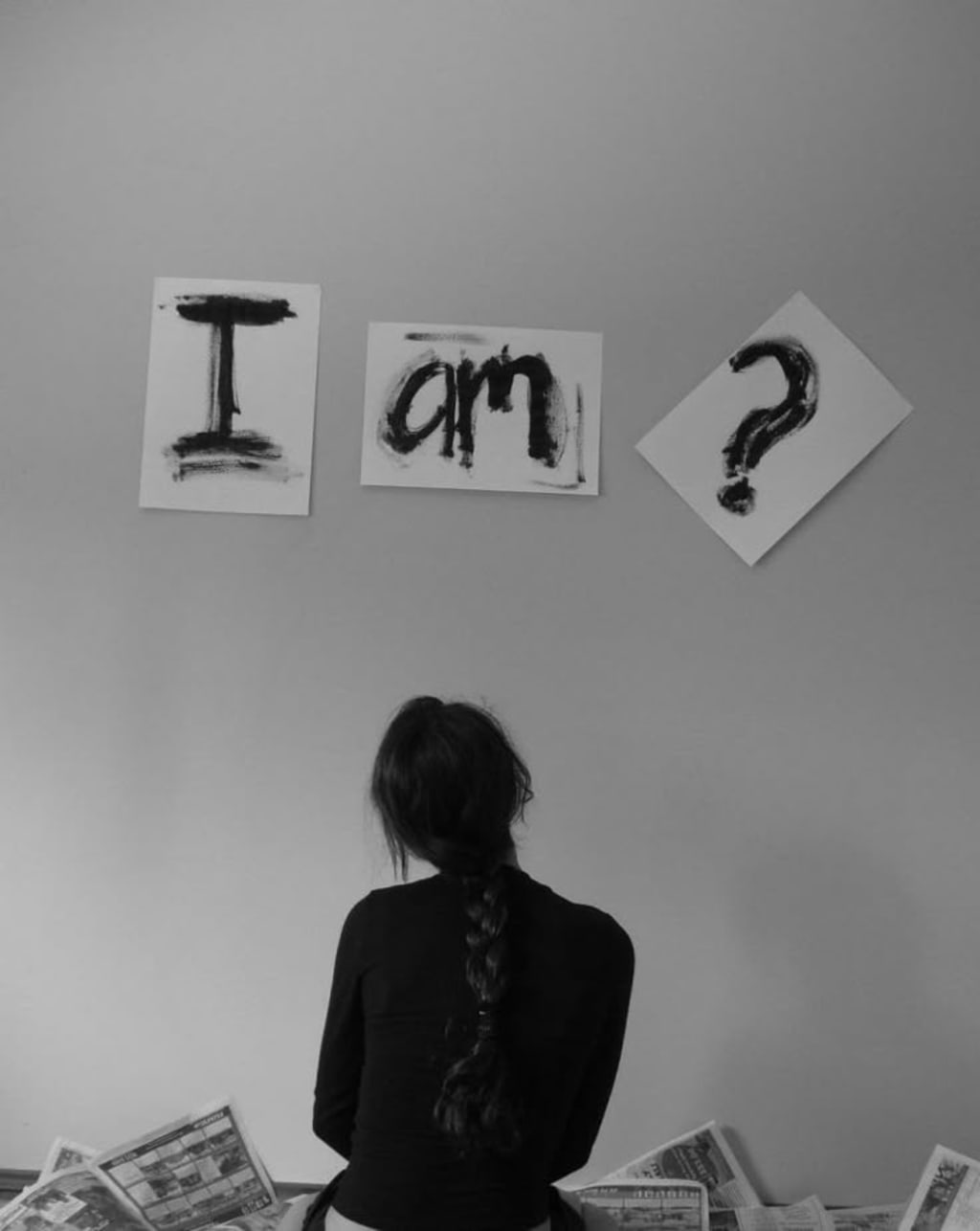
Some people walk into rooms and instantly feel like outsiders.
Not because anyone says anything.
Not because anyone pushes them away.
They just feel it.
A quiet awareness that they don’t fully match the energy, the conversations, or the expectations of the space they’re in. It’s not dramatic. It’s subtle. But it follows them everywhere. School. Work. Friend groups. Family gatherings. Even online spaces that are supposed to feel welcoming.
They exist.
But they don’t quite belong.
This feeling often starts early in life. Maybe you noticed things others didn’t. Maybe you questioned rules while others accepted them. Maybe your interests didn’t align with what was popular. Maybe you felt emotions more intensely than people around you. Small differences at a young age can grow into a deep sense of separation.
Not because you’re broken.
But because you’re wired differently.
Society is built around averages. Average interests. Average goals. Average definitions of success. When you don’t fit neatly into those boxes, friction appears. You start receiving subtle messages that you’re “too much,” “too quiet,” “too sensitive,” or “too strange.” Over time, those messages sink in.
You start editing yourself.
You water down your personality.
You hide parts of who you are.
Not to deceive others.
But to survive socially.
The tragedy is that the more you hide, the lonelier you become. People can only connect with the version of you that you present. If that version is filtered, masked, and incomplete, the connections will feel shallow. You’ll be surrounded by people yet still feel alone.
That’s a special kind of loneliness.
Many people who feel like they don’t belong are deep thinkers. They reflect. They analyze. They question. They’re not satisfied with surface-level conversations about weather, gossip, or trends. They crave depth. Meaning. Realness. When they don’t find it, they feel disconnected.
It’s not that they hate people.
They hate pretending.
Another layer of not belonging comes from having multiple identities that don’t fit neatly into one group. Maybe you don’t fully relate to your culture. Maybe you’ve changed over time but people still expect the old version of you. Maybe your inner world is vastly different from your outer life.
You start feeling like a visitor in your own existence.
Here’s the truth most people never hear:
Not belonging everywhere doesn’t mean you belong nowhere.
It means you haven’t found your people yet.
Belonging isn’t about fitting in.
It’s about being accepted as you are.
And sometimes, you have to become comfortable with yourself before you can find others who resonate with you.
People who feel like they don’t belong often develop strong inner worlds. They think. They imagine. They create. They observe. This inner richness can become a source of strength if nurtured properly. Many artists, writers, thinkers, and innovators spent large parts of their lives feeling out of place.
Not because they were defective.
But because they were ahead.
Or simply different.
There’s nothing wrong with wanting to be understood.
There’s nothing wrong with wanting connection.
But forcing yourself into spaces that require you to shrink is a slow form of self-betrayal.
You don’t have to belong everywhere.
You don’t have to be liked by everyone.
You don’t have to mold yourself into something palatable.
You just have to be real.
Real with yourself.
Real with others.
The right connections don’t require constant performance.
They feel easy.
They feel safe.
They feel honest.
Until you find those connections, learn to become your own anchor. Get to know yourself. Explore your interests. Develop your voice. Build a relationship with your inner world. When you stop treating your differences as flaws, they start becoming filters.
They filter out what isn’t aligned.
They attract what is.
You are not lost.
You are not defective.
You are not meant to fit into every room.
Some people are meant to build new rooms.
About the Creator
Time to change your life.
Is it even possible for you to change your life? A lot of people, more than there should be, are unhappy with their lives. But what are they doing about it? Usually nothing. People talk about how shitty their lives are and want change, but are they not taking the actions to change?
By Jen Phillips6 days ago in Humans
Sandie Rinaldo: Husband, Salary, Net Worth, Health, Children, Biography, Career & More
Veteran journalist Sandie Rinaldo has been a familiar face on Canadian television for more than five decades. As the first woman in Canada to anchor a national weekday newscast, Rinaldo has paved the way for generations of female journalists.
By Enoch Saginiabout 6 hours ago in Humans
📢 Raise Your Voice Thread: 02/05/2026
Our “Raise Your Voice Threads” are hosted most alternating Thursdays at 12PM ET to offer creators more avenues to uncover exceptional stories on Vocal. As we are continuously searching for fresh creators and inspiring stories, this thread provides an opportunity to exchange and discuss the stories that have moved and motivated us on Vocal.
By Raise Your Voice by Vocalabout 23 hours ago in Resources



Comments
There are no comments for this story
Be the first to respond and start the conversation.