
The 10-Minute Evening Habit That Can Rewire Your Brain for Calm
Stress isn’t just emotional — it physically reshapes the brain. But one simple nightly habit can reverse the damage and restore balance.

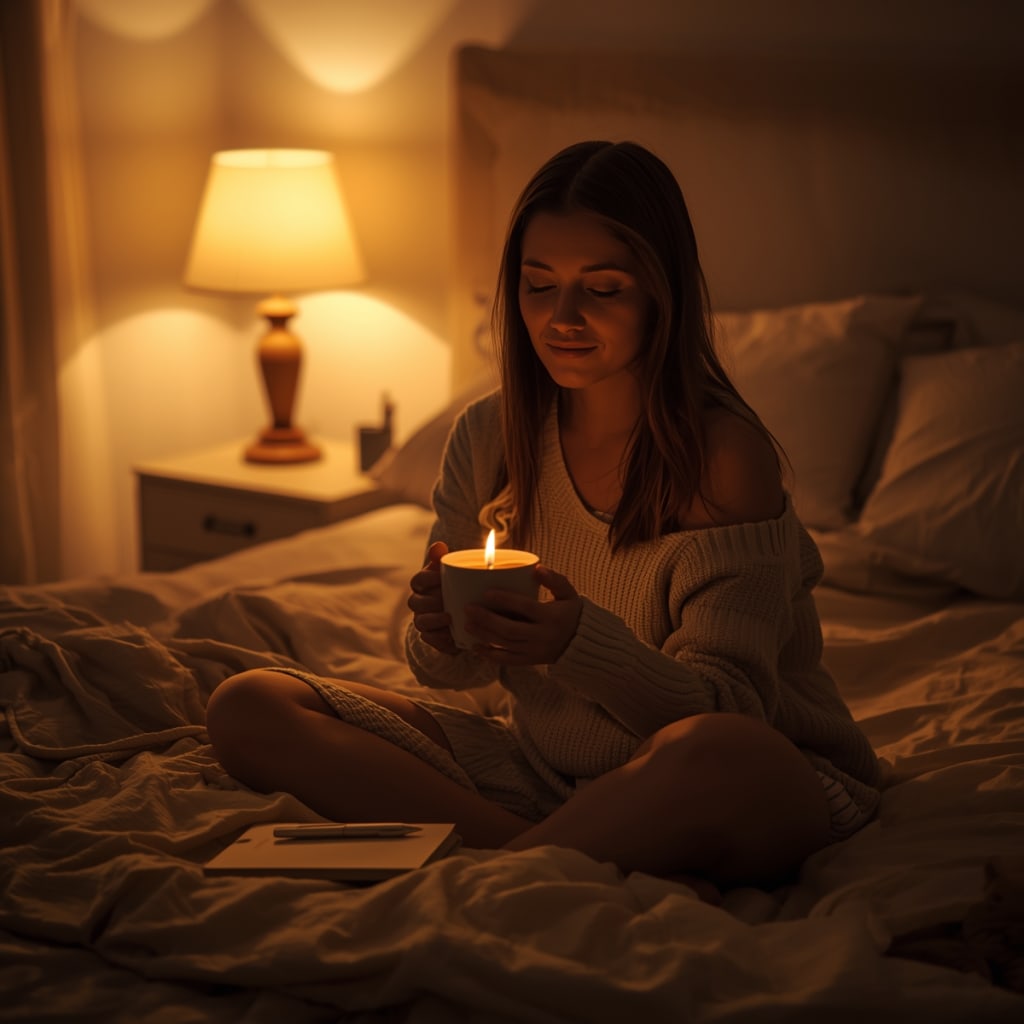
We live in a world that doesn’t slow down.
The notifications, deadlines, responsibilities, conversations, comparisons — they all stack up, quietly, continuously adding pressure. And even when the day ends, our thoughts don’t. The mind keeps racing, the heart keeps responding, the stress lives on.
Most of us assume stress is just “in our heads,” a temporary feeling of overwhelm.
But neuroscience now shows something deeper:
Stress physically changes the brain.
When your brain believes you’re in danger — whether from real trauma or simply unread emails — it floods your body with cortisol, the stress hormone. Over time, high cortisol can:
Shrink the hippocampus (memory + emotional balance center)
Weaken the immune system
Disrupt sleep patterns and hormones
Increase inflammation in the body
And accelerate aging
But here’s the hopeful part:
Just as stress rewires the brain negatively, calm can rewire it positively.
The brain is plastic. It responds to your habits.
And that’s where the 10-Minute Evening Habit comes in.
Why Evenings Matter More Than Mornings
Most wellness advice focuses on morning routines — journaling, meditation, lemon water, exercise.
But neuroscience suggests that evening habits might be even more powerful, because:
The brain consolidates emotional experiences at night.
Memory and stress-processing happen during specific stages of sleep.
The nervous system needs a signal that “the day is done” to begin repairing itself.
If we go to bed in stress mode:
We wake up in stress mode.
But if we teach the brain to downshift every night, it gradually returns to balance.
This habit isn’t about productivity, self-improvement pressure, or making you a “better” version of yourself.
It’s about teaching the nervous system safety again.
The 10-Minute Evening Habit (Scientifically Backed & Easy)
You only need 10 minutes.
No apps. No equipment. No rules.
Just consistency.
Here’s the sequence:
1. Slow Breathing (2 minutes)
Sit comfortably.
Close your eyes.
Breathe in for 4 seconds, out for 6.
This activates the vagus nerve, the body’s natural stress reset switch.
Even two minutes sends a signal to the brain:
We are safe now.
2. “Download” the Day (3 minutes)
Take a notebook or use your phone’s Notes app.
Write down:
What stressed you today?
One good thing that happened.
One thing you are grateful for.
This isn’t about poetry or performance.
It’s about processing instead of suppressing.
The brain stores unprocessed emotions as tension.
Releasing them makes space.
3. Light Movement (3 minutes)
No workouts. No stretching routines.
Just:
A slow walk around the room
Or gentle shoulder rolls
Or laying on the floor and breathing deeply
The goal:
Tell the body it can soften now.
The mind follows the body.
If the body relaxes, the mind does too.
4. Sip Something Warm (2 minutes)
Tea, warm water, herbal infusion.
No caffeine. No sugar. Just warmth.
Warmth calms the amygdala — the fear and stress control center.
It’s the same reason being hugged feels grounding.
If you can only choose one step… choose this one.
Why This Works (Simple Science)
This routine works because it targets the nervous system directly.
The breathing lowers cortisol.
The journaling reduces mental clutter.
The movement releases stress stored in muscles.
The warm drink activates relaxation hormones.
It’s a signal to your entire body:
“You are safe. You can rest now.”
And when the body believes it is safe —
the mind stops fighting.
The Result Over Time
You won’t notice a dramatic shift on Day 1.
The magic is in consistency — not intensity.
After 1 week:
Sleep improves.
Mind chatter slows.
Energy stabilizes.
After 3 weeks:
Emotional reactions soften.
Focus becomes clearer.
Your nervous system resets faster.
After 8 weeks:
MRI studies show measurable reductions in amygdala activity —
the brain literally becomes calmer.
This is not self-help hype.
This is neurobiology.
But the Real Lesson?
This habit doesn’t make life easier.
It makes you steadier.
Stress doesn’t disappear — your capacity grows.
Life remains unpredictable — your nervous system becomes resilient.
Your challenges stay the same — your response transforms.
And that is what changes everything.
Because Longevity Isn’t Just About Living Longer
It’s about:
living lighter
sleeping deeper
thinking clearer
and loving more freely
Health is not just what you eat or how much you exercise.
Health is how safe your body feels living inside you.
And sometimes the path back to yourself
is just 10 quiet minutes at the end of the day.
If You Want a Simple Starting Prompt
Tonight, just say to yourself:
“The day is done. I can rest now.”
Your brain will listen.
It wants peace — it just needs permission.
About the Creator
Keep reading
More stories from arsalan ahmad and writers in Humans and other communities.
Silver Screen Magic with Mae West
American actress and singer Mae West became a popular film actress during the Great Depression. She started entertaining in vaudeville, then performed on Broadway, and finally went to Hollywood. She signed up with Paramount Pictures and made her debut in the 1932 film “Night After Night.” She also starred in musicals, comedies, and crime dramas. The American Film Institute named her one of the best classic Hollywood actresses.
By Rasma Raisters5 days ago in Geeks



Comments
There are no comments for this story
Be the first to respond and start the conversation.