science
The Science Behind Relationships; Humans Media explores the basis of our attraction, contempt, why we do what we do and to whom we do it.
The Science of Happiness
Introduction: Happiness is a universal pursuit and an essential aspect of human well-being. Throughout history, individuals have sought to unravel the secrets behind leading a fulfilling life. While happiness may seem elusive at times, recent advancements in psychology and neuroscience have shed light on the science of happiness. This article explores the key factors that contribute to our happiness, highlighting evidence-based strategies and insights that can help us cultivate a more fulfilling and joyful existence.
By Melodic Narrator3 years ago in Humans
The link between Gut health and fitness
The Link between Gut Health and Fitness Maintaining good health and achieving optimal fitness are two common goals for many individuals. While exercise and a balanced diet are often considered the key factors in achieving fitness, there is another crucial element that shouldn't be overlooked: gut health. Emerging research suggests that the gut plays a significant role in overall health and can impact fitness outcomes. In this article, we will explore the link between gut health and fitness and understand why taking care of your gut is essential for reaching your fitness goals.
By Philippe Lamboni 3 years ago in Humans
CLOTTING DISORDERS
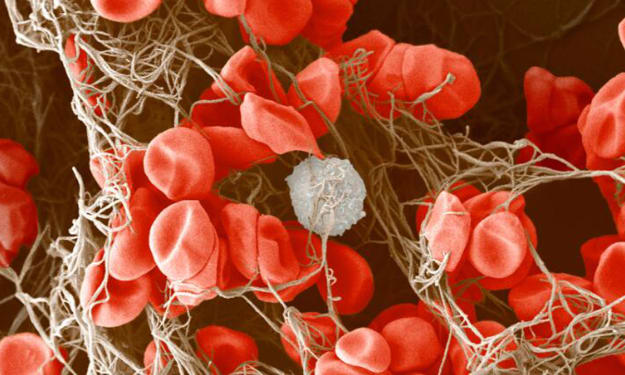
CLOTTING DISORDERS Introduction The normal balance between clot formation and breakdown can be changed by the presence of certain genetic or acquired defects leading to abnormal clot formation. Reasons for the clot formation and breakdown processes to be unbalanced toward abnormal clot formation include blood vessel injury, venous stasis (lack of movement of the blood in the veins), and clotting disorders. These three factors make up Virchow’s triad. An alteration in any one of these three factors can lead to abnormal clotting. All risk factors for DVT or PE fall into one of these three categories. A venous thromboembolic event (VTE) is either a DVT or PE or both in the same patient.
By PAUL COMPUTERS 4U3 years ago in Humans
The Science of Habit Formation: How to Make Lasting Changes. Content Warning.
Introduction: Habits play a significant role in our daily lives, shaping our behaviors and ultimately determining our success and well-being. Whether it's adopting a healthier lifestyle, enhancing productivity, or cultivating positive relationships, understanding the science of habit formation can empower us to make lasting changes. In this article, we will explore the science behind habit formation and provide practical strategies to help you create and maintain new habits that stick. By harnessing this knowledge, you can make positive transformations and live a more fulfilling life.
By Mohamed Rimzan3 years ago in Humans
RISK FACTORS FOR VENOUS THROMBOSIS
RISK FACTORS FOR VENOUS THROMBOSIS Introduction Deep vein thrombosis (DVT, blood clots forming in the deep veins often of the leg, pelvic or abdomen but can also occur in the arm veins) is a serious healthcare problem in the US, with over 250,000 patients affected each year and at least 200,000 diagnosed with pulmonary embolus (PE). As our population ages, DVT is becoming more common. Among patients with DVT, one third of them are diagnosed due to a blood clot traveling in the blood vessels to the lung, causing shortness of breath and chest pain. This is called a pulmonary embolus (PE). The long-term effects of DVT, called post-thrombotic syndrome (PTS), affects about 500,000 patients with skin ulcers and millions more with discoloration and other skin changes in the legs. Because of the clot’s ability to travel to the lungs, the effects of post-thrombotic syndrome, and the risk of recurrent DVT, it is important to prevent DVT from ever forming (prevention). In order to prevent DVT and PE some knowledge of who is at risk is needed. This chapter will discuss the common risk factors (those things that increase the bloods tendency to clot) for DVT, the changes that occur in a vein after a clot has formed, and what happens to the clot over time.
By PAUL COMPUTERS 4U3 years ago in Humans
VENOUS CIRCULATION
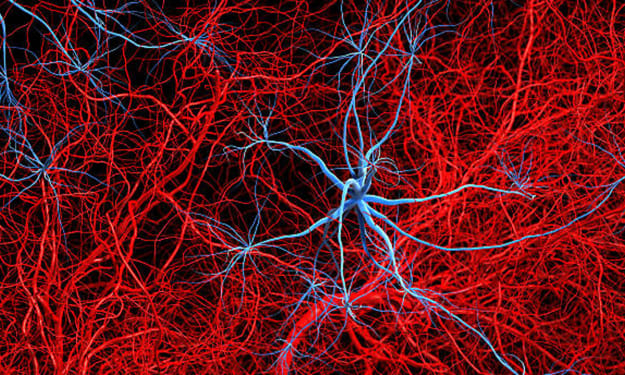
NORMAL VENOUS CIRCULATION Introduction The circulatory system is responsible for circulating (moving) blood throughout the body. The heart and the blood vessels are the most important parts of the circulatory system. The heart is a central organ in the circulatory system. With each beat it forces blood into the blood vessels which transport or carry oxygen and nutrients to all of the tissues and organs (the arteries) of the body and then blood returns back to the heart through the veins.
By PAUL COMPUTERS 4U3 years ago in Humans
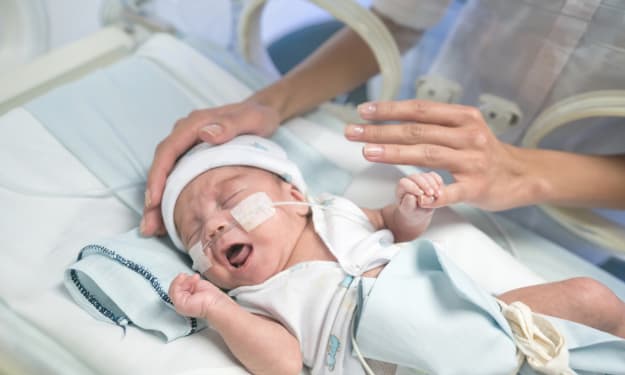
Global study provides high-quality data to improve treatment of newborn babies with sepsis
A worldwide observational review, which included in excess of 3,200 infants experiencing sepsis in 19 clinics in 11 nations, has shown that numerous babies are passing on in light of the fact that the anti-microbials used to treat sepsis are losing their viability.
By Charmaine Cele3 years ago in Humans