PAUL COMPUTERS 4U
Stories (5)
Filter by community
The Zodiac
A Cosmic Mirror Reflecting the Essence of Humanity" Introduction: In a world filled with diverse cultures, beliefs, and traditions, there exists a unifying thread that transcends borders and time – the Zodiac. This celestial tapestry of twelve constellations has woven itself into the fabric of human history, providing guidance, fascination, and a profound sense of connection to the cosmos. In this article, we embark on a journey through the Zodiac, exploring its ancient origins, its enduring relevance, and the ways in which it reflects the beautiful tapestry of human existence.
By PAUL COMPUTERS 4U2 years ago in History
CLOTTING DISORDERS
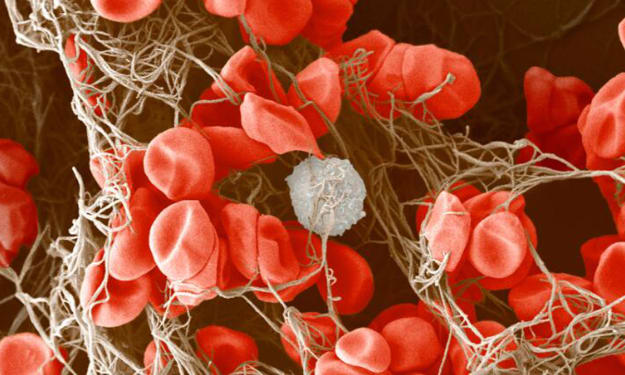
CLOTTING DISORDERS Introduction The normal balance between clot formation and breakdown can be changed by the presence of certain genetic or acquired defects leading to abnormal clot formation. Reasons for the clot formation and breakdown processes to be unbalanced toward abnormal clot formation include blood vessel injury, venous stasis (lack of movement of the blood in the veins), and clotting disorders. These three factors make up Virchow’s triad. An alteration in any one of these three factors can lead to abnormal clotting. All risk factors for DVT or PE fall into one of these three categories. A venous thromboembolic event (VTE) is either a DVT or PE or both in the same patient.
By PAUL COMPUTERS 4U3 years ago in Humans
RISK FACTORS FOR VENOUS THROMBOSIS
RISK FACTORS FOR VENOUS THROMBOSIS Introduction Deep vein thrombosis (DVT, blood clots forming in the deep veins often of the leg, pelvic or abdomen but can also occur in the arm veins) is a serious healthcare problem in the US, with over 250,000 patients affected each year and at least 200,000 diagnosed with pulmonary embolus (PE). As our population ages, DVT is becoming more common. Among patients with DVT, one third of them are diagnosed due to a blood clot traveling in the blood vessels to the lung, causing shortness of breath and chest pain. This is called a pulmonary embolus (PE). The long-term effects of DVT, called post-thrombotic syndrome (PTS), affects about 500,000 patients with skin ulcers and millions more with discoloration and other skin changes in the legs. Because of the clot’s ability to travel to the lungs, the effects of post-thrombotic syndrome, and the risk of recurrent DVT, it is important to prevent DVT from ever forming (prevention). In order to prevent DVT and PE some knowledge of who is at risk is needed. This chapter will discuss the common risk factors (those things that increase the bloods tendency to clot) for DVT, the changes that occur in a vein after a clot has formed, and what happens to the clot over time.
By PAUL COMPUTERS 4U3 years ago in Humans
VENOUS CIRCULATION
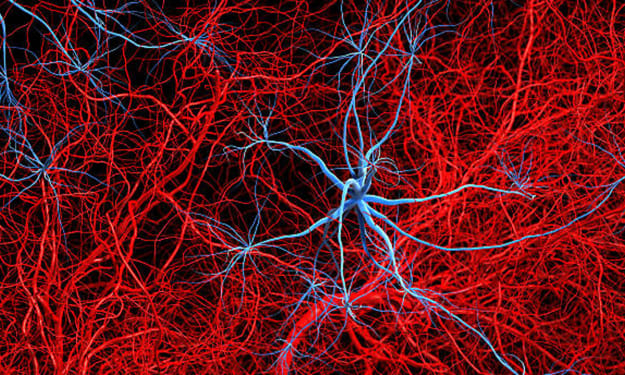
NORMAL VENOUS CIRCULATION Introduction The circulatory system is responsible for circulating (moving) blood throughout the body. The heart and the blood vessels are the most important parts of the circulatory system. The heart is a central organ in the circulatory system. With each beat it forces blood into the blood vessels which transport or carry oxygen and nutrients to all of the tissues and organs (the arteries) of the body and then blood returns back to the heart through the veins.
By PAUL COMPUTERS 4U3 years ago in Humans