
CANCER DIAGNOSIS
Diagnosis and assessment
Imaging assessment
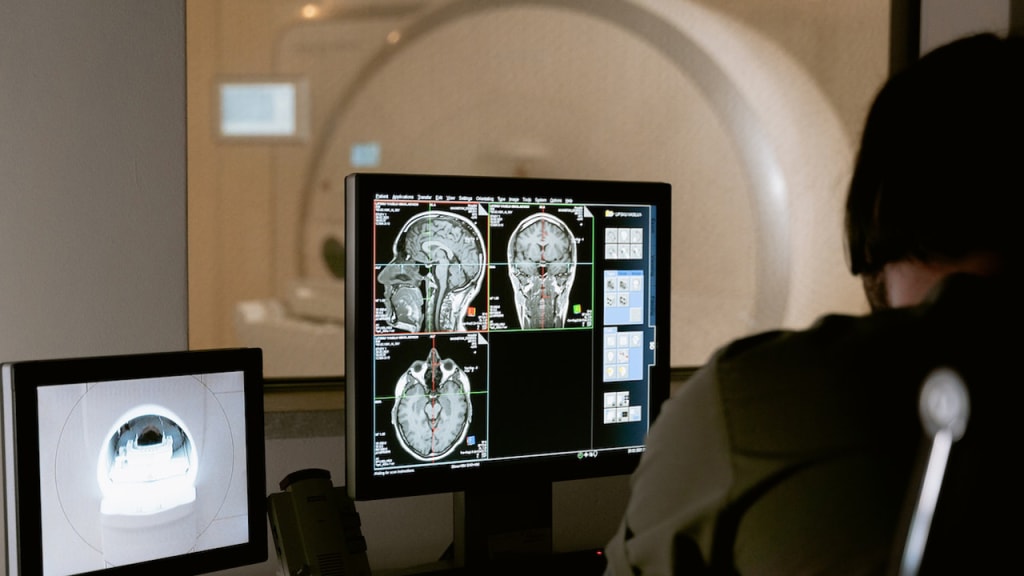
• Assess the presence and extent of visceral metastases using a combination of plain radiogra-phy, ultrasound, computed tomography (CT) scans and magnetic resonance imaging (MRI).
• Assess the presence and extent of metastases in the bones of the axial skeleton using bone windows on a CT scan or MRI or bone scintigraphy.
• Assess proximal limb bones for the risk of pathological fracture in patients with evidence of bone metastases elsewhere, using bone scintigraphy and/or plain radiography.
• Use MRI to assess bony metastases if other imaging is equivocal for metastatic disease or if more information is needed (for example, if there are lytic metastases encroaching on the spinal canal).
• Positron emission tomography fused with computed tomography (PET-CT) should only be used to make a new diagnosis of metastases for patients with breast cancer whose imaging is suspicious but not diagnostic of metastatic disease.
Pathological assessment
• Patients with tumours of known oestrogen receptor (ER) status whose disease recurs should not have a further biopsy just to reassess ER status.
• Patients with tumours of known human epidermal growth factor receptor 2 (HER2) status whose disease recurs should not have a further biopsy just to reassess HER2 status.
• Assess ER and HER2 status at the time of disease recurrence if receptor status was not assessed at the time of initial diagnosis. In the absence of tumour tissue from the primary tumour, and if feasible, obtain a biopsy of a metastasis to assess ER and HER2 status.
Monitoring disease status
• Do not use bone scintigraphy to monitor the response of bone metastases to treatment.
• Do not use PET-CT to monitor advanced breast cancer.
Providing information and support for decision making
• Assess the patient's individual preference for the level and type of information. Reassess this as circumstances change.
• On the basis of this assessment, offer patients consistent, relevant information and clear explanations, and provide opportunities for patients to discuss issues and ask questions.
• Assess the patient's individual preference for how much they wish to be involved in decision making. Reassess this as circumstances change.
• Be aware of the value of decision aids and the range available. Make the most appropriate decision aid available to the patient.
Systemic disease-modifying therapy
• Offer endocrine therapy as first-line treatment for the majority of patients with ER-positive advanced breast cancer.
• Offer chemotherapy as first-line treatment for patients with ER-positive advanced breast cancer whose disease is imminently life-threatening or requires early relief of symptoms because of significant visceral organ involvement, providing they understand and are pre-pared to accept the toxicity.
• For patients with ER-positive advanced breast cancer who have been treated with chemo-therapy as their first-line treatment, offer endocrine therapy following the completion of chemotherapy.
Endocrine therapy
• Offer an aromatase inhibitor (either non-steroidal or steroidal) to:
- postmenopausal women with ER-positive breast cancer and no prior history of endocrine therapy
- postmenopausal women with ER-positive breast cancer previously treated with tamoxifen.
• Offer tamoxifen and ovarian suppression as first-line treatment to premenopausal and perimenopausal women with ER-positive advanced breast cancer not previously treated with tamoxifen.
• Offer ovarian suppression to premenopausal and perimenopausal women who have previ-ously been treated with tamoxifen and then experience disease progression.
• Offer tamoxifen as first-line treatment to men with ER-positive advanced breast cancer.
Chemotherapy
• On disease progression, offer systemic sequential therapy to the majority of patients with advanced breast cancer who have decided to be treated with chemotherapy.
• Consider using combination chemotherapy to treat patients with advanced breast cancer for whom a greater probability of response is important and who understand and are likely to tolerate the additional toxicity.
• For patients with advanced breast cancer who are not suitable for anthracyclines (because they are contraindicated or because of prior anthracycline treatment either in the adjuvant or metastatic setting), systemic chemotherapy should be offered in the following sequence:
- first line: single-agent docetaxel
- second line: single-agent vinorelbine or capecitabine
- third line: single-agent capecitabine or vinorelbine (whichever was not used as second-line treatment).
• Gemcitabine in combination with paclitaxel, within its licensed indication, is recommended as an option for the treatment of metastatic breast cancer only when docetaxel monotherapy or docetaxel plus capecitabine are also considered appropriate1.
Biological therapy
For patients who are receiving treatment with trastuzumab2 for advanced breast cancer, discontinue treatment with trastuzumab at the time of disease progression outside the central nervous system. Do not discontinue trastuzumab if disease progression is within the central nervous system alone.
Managing complications
Lymphoedema
• Assess patients with lymphoedema for treatable underlying factors before starting any lymphoedema management programme.
• Offer all patients with lymphoedema complex decongestive therapy (CDT) as the first stage of lymphoedema management.
• Consider using multi-layer lymphoedema bandaging (MLLB) for volume reduction as a first treatment option before compression hosiery.
• Provide patients with lymphoedema with at least two suitable compression garments. These should be of the appropriate class and size, and a choice of fabrics and colours should be available.
• Provide patients with lymphoedema with clear, written information and the contact details of local and national lymphoedema support groups.
Cancer-related fatigue
• Offer all patients with advanced breast cancer for whom cancer-related fatigue is a signify-cant problem an assessment to identify any treatable causative factors and offer appropriate management as necessary.
• Provide clear, written information about cancer-related fatigue, organisations that offer psychosocial support and patient-led groups.
• Provide information about and timely access to an exercise programme for all patients with advanced breast cancer experiencing cancer-related fatigue.
Uncontrolled local disease
• A breast cancer multidisciplinary team should assess all patients presenting with uncon-trolled local disease and discuss the therapeutic options for controlling the disease and relieving symptoms.
• A wound care team should see all patients with fungating tumours to plan a dressing regimen and supervise management with the breast care team.
• A palliative care team should assess all patients with uncontrolled local disease in order to plan a symptom management strategy and provide psychological support.
Bone metastases
• Consider offering bisphosphonates to patients newly diagnosed with bone metastases to prevent skeletal-related events and reduce pain.
• The choice of bisphosphonate for patients with bone metastases should be a local decision, taking into account patient preference and limited to preparations licensed for this indica-tion.
• Use external beam radiotherapy in a single fraction of 8Gy to treat patients with bone metastases and pain.
• An orthopaedic surgeon should assess all patients at risk of a long bone fracture, to consider prophylactic surgery.
Brain metastases
• Offer surgery followed by whole brain radiotherapy to patients who have a single or small number of potentially resectable brain metastases, a good performance status and who have no or well-controlled other metastatic disease.
• Offer whole brain radiotherapy to patients for whom surgery is not appropriate, unless they have a very poor prognosis.
• Offer active rehabilitation to patients who have surgery and/or whole brain radiotherapy.
• Offer referral to specialist palliative care to patients for whom active treatment for brain metastases would be inappropriate.
About the Creator
Keep reading
More stories from PAUL COMPUTERS 4U and writers in Humans and other communities.
CLOTTING DISORDERS
CLOTTING DISORDERS Introduction The normal balance between clot formation and breakdown can be changed by the presence of certain genetic or acquired defects leading to abnormal clot formation. Reasons for the clot formation and breakdown processes to be unbalanced toward abnormal clot formation include blood vessel injury, venous stasis (lack of movement of the blood in the veins), and clotting disorders. These three factors make up Virchow’s triad. An alteration in any one of these three factors can lead to abnormal clotting. All risk factors for DVT or PE fall into one of these three categories. A venous thromboembolic event (VTE) is either a DVT or PE or both in the same patient.
By PAUL COMPUTERS 4U3 years ago in Humans
Autonomy Is The Real Privilege
Good morning, freedom-seekers! Today we’re gonna be looking at autonomy. A strange word, I know; one many would probably look at blankly and run away from on sight. We’re gonna figure out what it actually means, consider how it’s achieved, and decipher just how deeply most of us are tangled up in dependence without realising it.
By That ‘Freedom’ Guy6 days ago in Humans
A Short Love Story That Still Can’t Be Forgotten
How one brief moment changed my life forever Sometimes, the most unforgettable love stories aren’t the ones that last years. Sometimes, they’re the ones that last just long enough to leave a mark on your soul.
By Ahmed aldeabellaabout 21 hours ago in Humans



Comments
There are no comments for this story
Be the first to respond and start the conversation.