science
The Science Behind Relationships; Humans Media explores the basis of our attraction, contempt, why we do what we do and to whom we do it.
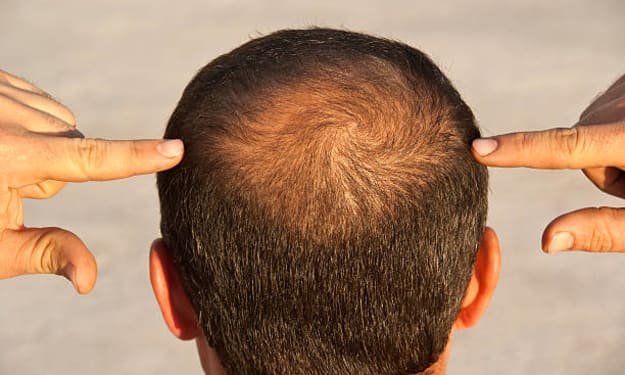
How to Care for Your Scalp: Preventing Hair Loss
How to Care for Your Scalp: Preventing Hair Loss Hair loss, also known as alopecia, is a common condition that affects millions of people worldwide. Hair loss is painful and can affect self-esteem, confidence and mental health. This article discusses the causes, treatment, and prevention of hair loss, including some common myths and misconceptions.
By ghulam muhammad3 years ago in Humans
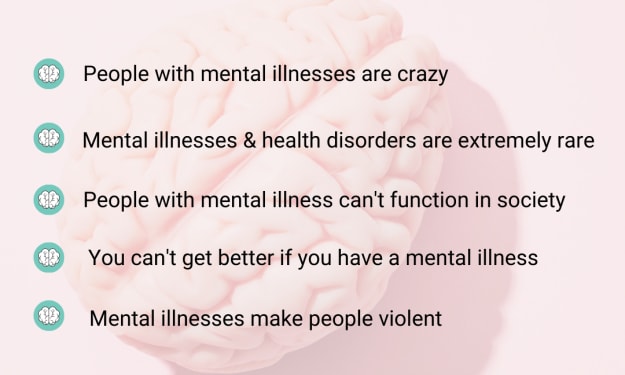
Understanding Mental Health: Breaking the Stigma and Seeking Support
Introduction : Mental health is a fundamental aspect of our overall well-being, yet it remains shrouded in silence and stigma. To create a compassionate and inclusive society, we must embark on a journey of understanding mental health, breaking down the barriers of stigma, and embracing the support available to us. In this blog, we will explore the significance of understanding mental health, the detrimental effects of stigma, and the importance of seeking support. By raising awareness, challenging misconceptions, and fostering a supportive environment, we can pave the way for a brighter future where mental health is prioritized and celebrated.
By Hesham Shahid3 years ago in Humans
Countries with many single women
Hungary Hungary is a country in Eastern Europe that's surrounded by other countries like Slovakia, Romania, Serbia, Croatia, Slovenia, Austria, and Ukraine. The capital city is Budapest. Most Hungarian women have brown hair and brown eyes, and they're usually not very tall but are admired for their slender figures. It's common for women in Hungary to wear high heels. In traditional roles, Hungarian women are often seen as romantic and value customs where relationships happen within marriage based on love and loyalty. In a typical family, the man is the head of the household.
By Julio Javier3 years ago in Humans
Where science may have limitations?. Content Warning.
Science is a systematic and evidence-based approach to understanding the natural world. While it has made significant progress in explaining a wide range of phenomena, there are certain aspects of human experience that fall outside the realm of scientific inquiry. These aspects often pertain to subjective or metaphysical experiences that are difficult to quantify, measure, or observe directly. Here are a few examples of areas where science may have limitations:
By Nosrat Jahan Tickly3 years ago in Humans
Meditation
Meditation is a practice that has been around for centuries, and it has recently gained popularity as a way to reduce stress and improve overall well-being. There are many different types of meditation, but they all involve focusing your attention on a particular object, thought, or activity to help quiet your mind and achieve a state of relaxation.
By Olowofela funke3 years ago in Humans
Effects of plastics on human health.
Humans are exposed to a large variety of toxic chemicals and microplastics through inhalation, ingestion, and direct skin contact, all along the plastic lifecycle. According to WWF (World Wide Fund for Nature), an average person could be ingesting approximately 5 grams of plastic every week. While the health impacts of plastics is still a rather new research area, scientific results to-date do indicate plastic causes diseases, disability and premature death at very stage of its life cycle. The toxic chemical additives and pollutants found in plastics threaten human health on a global scale. Scientifically-proven health effects include causing cancer or changing hormone activity (known as endocrine disruption), which can lead to reproductive, growth, and cognitive impairment. Many of the toxic chemical additives have several other known health impacts, persist in the environment, and bioaccumulate in exposed organisms. Research also revealed that microplastics can harm our health, and act as vessels for pathogens to enter our system, increasing the spread of diseases.
By Naomi Kihawa3 years ago in Humans
Unleashing Human Potential
Introduction In the quest for personal growth and achievement, individuals constantly seek to push their boundaries and unleash their full potential. What separates those who achieve extraordinary feats from the rest? How do some individuals excel in their chosen fields while others struggle to make progress? The science of peak performance aims to answer these questions by examining the factors that drive human excellence and enable individuals to reach new heights. This article explores the fascinating field of peak performance, providing insights into the underlying science and offering practical tips for readers to tap into their own potential.
By Ghazal Qamar3 years ago in Humans