
How to Care for Your Scalp: Preventing Hair Loss
Causes of hair loss
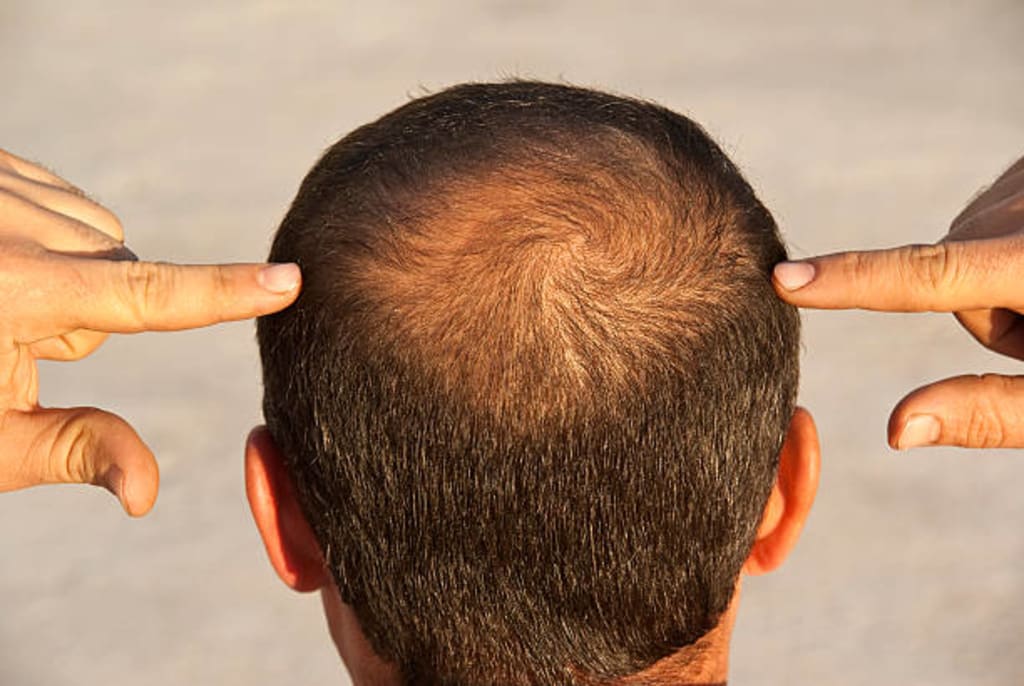
How to Care for Your Scalp: Preventing Hair Loss
Hair loss, also known as alopecia, is a common condition that affects millions of people worldwide. Hair loss is painful and can affect self-esteem, confidence and mental health. This article discusses the causes, treatment, and prevention of hair loss, including some common myths and misconceptions.
Hair is an integral part of our identity and losing it can be a traumatic experience. We experience hair loss for a variety of reasons. By understanding the underlying causes and taking appropriate measures, you can prevent hair loss and promote hair growth.
Causes of hair loss
Hair loss can be caused by several factors, including genetics, stress, aging, hormonal imbalances, and nutritional deficiencies. Let’s take a closer look at each of these factors.
Genetic hair loss
Genetic hair loss, also known as androgenic alopecia, is a common form of hair loss that is inherited from either the maternal or paternal side of the family. It is caused by a combination of hormonal factors. This miniaturization causes the hair to become shorter and thinner, and eventually, the follicle no longer produces visible hair. Hereditary alopecia can affect both men and women and usually occurs in her late teens or early adulthood. The pattern of hair loss in hereditary alopecia is more pronounced on the front and top of the scalp in men and is distributed throughout the scalp in women.
Stress
Stress has long been recognized as a possible cause of hair loss in both men and women. This type of hair loss is often temporary but can be very painful for those who suffer from it. Stress can affect hair growth in many ways. For example, it can disrupt the normal hair growth cycle by increasing the percentage of hair follicles that enter a resting phase of growth called telogen. This can cause more hair to fall out than is replaced, leading to thinning hair and possibly even hair loss. This is because inflammation interferes with the normal functioning of hair follicles and can inhibit new hair growth. It is also important to note that hair loss can occur as a result of stress. Examples of traumatic events that can cause hair loss include the death of a loved one, divorce, or serious illness. Chronic stress related to work, finances, or personal relationships can also contribute to hair loss over time. It is often temporary and can be treated with appropriate measures. Managing stress through relaxation techniques, exercise, and other stress-reducing activities can be effective in preventing and treating stress-related hair loss.
Aging
As we age, the hair growth cycle slows and the hair follicles shrink, making our hair thinner and weaker. This natural aging process can lead to hair loss, especially in men.
Hormonal imbalance
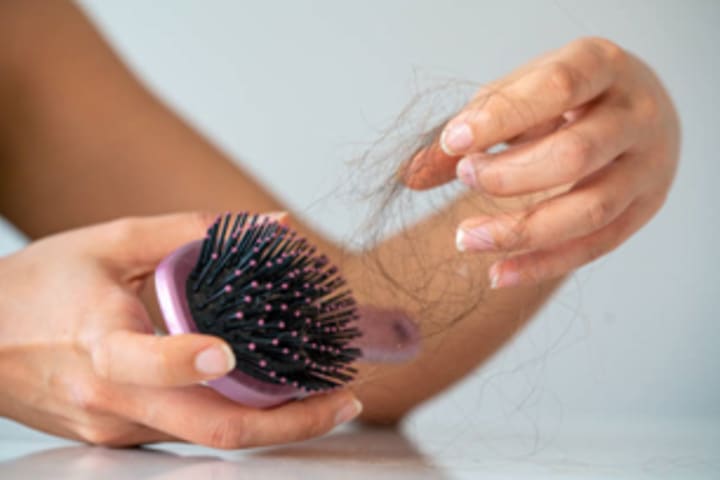
The hormonal imbalance that causes hair loss can be caused by many factors, including menopause, pregnancy, thyroid disease, and polycystic ovary syndrome (PCOS). Androgenetic alopecia, characterized by a genetic sensitivity to androgens, is also a common cause of hair loss in both men and women. In men, dihydrotestosterone (DHT) is a potent androgen that binds to hair follicles and causes hair miniaturization, ultimately leading to hair loss. It causes hair loss and shortens the anagen phase of the hair growth cycle. Treatment options for hormonal alopecia depend on the underlying cause of the hormonal imbalance. For example, treating thyroid disease or straightening PCOS can improve hormone balance and lead to hair regrowth. For androgenic alopecia, drugs such as finasteride and minoxidil can help slow or reverse hair loss. Hormonal replacement therapy can also help with hair loss due to menopause. Therefore, hormonal imbalances can significantly contribute to hair loss in both men and women. Understanding the underlying hormonal causes of hair loss and finding appropriate treatments can help manage this condition. A thorough evaluation by a qualified healthcare provider is essential to determine the best treatment for individuals suffering from hair loss due to hormonal imbalance.
Malnutrition
Nutrient deficiencies such as iron, zinc, and vitamin D can also lead to hair loss. These nutrients play important roles in hair growth and hair care, and their deficiency can affect the hair growth cycle. It is possible here.
Treatment for hair loss
Treatment for hair loss depends on the following cause. Let's take a look at some common treatment options.
Medications
Medications such as finasteride and minoxidil are commonly used to treat hair loss. Finasteride works by inhibiting the conversion of testosterone to DHT, while minoxidil increases blood flow to hair follicles to promote hair growth.
Promote hair transplantation
Hair transplantation is a surgical procedure in which hair follicles are harvested from the back of the scalp, where hair is densely packed, and transplanted to the area of hair loss. This procedure can be expensive and it may take months to see full results.
Lifestyle change
Lifestyle changes such as reducing stress, eating a balanced diet, and avoiding tight hairstyles can also help prevent hair loss and promote hair growth. Sleep can also help reduce stress and promote overall health.
Prevention of hair loss
A few lifestyle changes and self-care practices can help prevent hair loss.
Eat a balanced diet

Eating a balanced diet rich in protein, vitamins, and minerals can help promote hair growth and prevent hair loss, such foods as leafy greens, nuts and fish are more beneficial.
Refrain from tight hairstyles
Tight hairstyles (e.g. braids, buns, and ponytails) can pull hair and damage hair follicles. Avoid these hairstyles or loosen them to reduce tension in your hair.
Protect hair from heat damage
Excessive heat from styling tools such as blow dryers, curling irons, and flat irons can damage hair and lead to breakage and hair loss. Limit the use of these tools or use heat protection products to reduce damage.
Stress management
Stress can lead to hair loss, so it's important to find ways to manage stress effectively. Try techniques like meditation, yoga, and deep breathing exercises to reduce stress.
Myths and misconceptions about hair loss
There are several myths and misconceptions about hair loss that can cause confusion and anxiety. Let’s unfold a few of these myths.
Myth: Wearing a hat makes your hair fall out
Wearing a hat does not cause hair loss. However, wearing a hat that is too tight or that rubs against your scalp can cause breakage and damage.
Myth: Brushing hair 100 times a day promotes hair growth
Excessive brushing can cause breakage and damage and it does not enhance hair growth.
Myth: Shaving your head makes your hair thicker
Shaving your head does not make your hair thicker. However, it may appear thicker because the hair grows back at the same thickness as before.
Conclusion
Hair loss can be a devastating condition, but understanding the underlying causes and taking the right steps can help prevent hair loss and promote hair growth. Seeking a doctor’s help and avoiding common myths and misconceptions can help you maintain healthy hair and prevent hair loss.
FAQs
1. Is hair loss reversible?
Hair loss is not reversible. But in some cases, hair loss can be reversed with treatment or lifestyle changes. In other cases, however, hair loss can be permanent.
2. Will wearing a wig cause hair loss?
Wearing a wig does not cause hair loss. However, wearing a tight wig or a wig that rubs against your scalp can cause breakage and damage.
3. Are there any natural remedies for hair loss available?
Some natural remedies, such as rosemary oil and onion juice, can promote hair growth. However, more research is needed to confirm their effectiveness.
4. Can stress cause permanent hair loss?
Long-term stress can lead to hairs entering the resting phase of their growth cycle and falling out prematurely, a condition called telogen effluvium. However, in most cases, this type of hair loss is temporary and reversible.
5. Is hair loss more common in men or women?
Men and women both can be affected by hair loss but it is more common in men. Androgenic alopecia, or male pattern baldness, is the most common type of hair loss in men, but female hair loss can occur due to hormonal changes during pregnancy, childbirth, and menopause.
Disclaimer: This is research -based information just for knowledge and awareness of any treatment procedure consult your doctor.
About the Creator
ghulam muhammad
Name: Ghulam Muhammad
Freelance Health and wellness Blogger,
Blog sites: health2livefit.wordpress.com
https://dayowls.blogspot.com/
Keep reading
More stories from ghulam muhammad and writers in Humans and other communities.
Tips to protect your eyes from the heat
Tips to protect your eyes from the heat Introduction In today's world, where the sun is getting hotter and hotter, it's essential to take care of our eyes and protect them from harmful ultraviolet (UV) rays. This is especially important for those who work outdoors or are exposed to direct sunlight for long periods of time. Heat stroke, dehydration, and eye strain are just a few of the risks associated with prolonged sun exposure. However, with proper precautions and protective equipment, you can protect your eyes from the heat professionally. In this article, we'll explore some of the best ways to protect your eyes from the sun's harmful rays while working or doing outdoor activities.
By ghulam muhammad3 years ago in Humans
Miss Persephone's Manual to a Seemingly Ordinary Life
Miss Persephone was found at the dining table, her blue eyes swollen, her tears arriving and retreating like the tides of the ocean. Earlier that day, her family had visited her in the retirement home where she had lived for eight years. It was her eightieth birthday.
By Imola Tóth3 days ago in Fiction


Comments
There are no comments for this story
Be the first to respond and start the conversation.