science
The Science Behind Relationships; Humans Media explores the basis of our attraction, contempt, why we do what we do and to whom we do it.
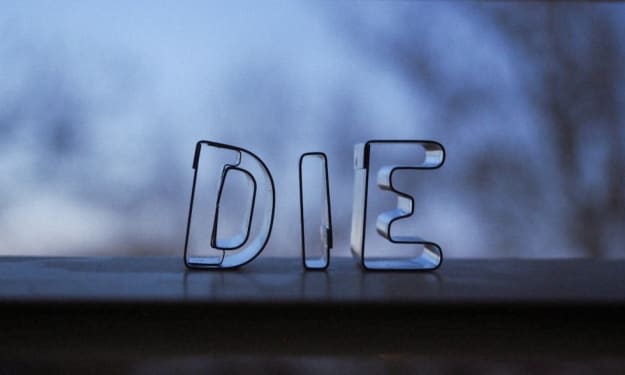
What happens when you die
What happens when you finally kick the bucket? It seems a lot of people do believe that after death we might be ensconced in some cloud-strewn paradise, or conversely, if we haven’t adhered to the ethics prescribed to us by our chosen religion or denomination of that religion, we might be faced with eternal hellfire and the prospect of groveling to a bearded red man who hardly ever puts down his pitchfork. But let’s start with some empirical realism and what actually happens to the body when we die. Physicians know your dead because the heart stops beating and there is no longer any electrical activity in your brain. Brain death equals dead, although machines can keep you going a little bit longer. You can also have what’s called a cardiac death, which means the heart stops beating and blood no longer flows through your body. The strange, even wonderful thing is, people that have suffered cardiac death but have been brought back to life have said they were aware of what was going on around them. Others have talked about walking towards a light in such a near death experience. You can be brought back from what we call clinical death, but you only have a grace period of about 4-6 minutes. But let’s say you get to the light and pass through; this is what we call biological death – game over, the final whistle, dead as a dodo. This is where it gets kind of undignified, but what do you care, you’re dead. Once you’re definitely no longer with us, your muscles relax, and this means your sphincter will too, meaning that triple Whopper and large fires you had for lunch will spill out of you – the gas you have in you may also leak out and cause a stink. The same goes for the pee you’ve got in your bladder, so dying not surprisingly is a bit of a messy affair. And men, you might even ejaculate. As for women, you may give birth after you have died if you were pregnant, which is something called “coffin birth”. It doesn’t happen often, though. Instead of pushing, it’s the gases in the abdomen that squeeze the newborn into the world. As the body gets rid of what is trapped inside, noises may be emitted from your mouth as air escapes. Nurses and people working close to dead bodies have regularly reported hearing very alive-sounding moans and groans coming from dead bodies. You may twitch, but this doesn’t mean there is life in you, these are just muscle contractions. You could also soon get an erection if you died lying on your stomach and the blood flowed down there. All your blood will pool to a certain area of your body. This is called “livor mortis” and it’s the reason parts of you will have that dark purple color you have seen on TV. These are the lovely things that can happen quite shortly after you go. With no blood flowing through your body, it will begin to cool down, known as “algor mortis”, or simply “death chill”. It will keep cooling until it is the same temperature as your surroundings. You will become stiff within about 2-6 hours, and this we call “rigor mortis”. This is because calcium is getting into your muscle cells. Cells break down without blood flow and this leads to bacteria growth, and that’s why you start to decompose. You may look like your hair or your nails have grown, but that isn’t the case. What is happening is that your skin is receding, giving the impression of growth. The skin will loosen, too, and blisters will appear on the body. The next stage is putrefaction, when bacteria and microorganisms start feasting on you. You’ll soon start to stink as bad as anything you could have imagined while you were alive. One person described the smell as: “Rotten eggs, feces, and a used toilet left out for a month x 1000. It is unholy.” Soon everything that is soft becomes liquefied, with things like bones, cartilage and hair remaining strong. You’re already well on your way to decomposing by the time you are being put in the ground. But if embalmed and buried, decomposition could be a slow process. Left above ground, you’ll be a liquefied mess within about a month, feasted on by insects, maggots, plants, and animals. Underground, some experts say it might take 8-12 years before you are reduced to nothing but a skeleton. After around 50 years, even your bones will become part of the Earth. We should add the rate of decomposition depends on all manner of factors, too many to list here. But we think you get the picture. While some people report that their near-death experience was a scene to behold, that’s not always the case. You live the same life, again and again, forever. Now doesn’t that make you want to live well? Here we could make similarities to the Buddhist belief of the “Wheel of Samsara”, wherein all souls, lives, will begin a cycle again after death, except not the same exact life. Something we call reincarnation, which some people say is connected to what we sometimes call de ja vu. Buddhists believe we can end this vicious cycle if we can become truly enlightened, therefore achieving nirvana. Or do we make our way to heaven after our bodies stop working, tipping our cap to St. Peter at the Pearly Gates, hoping he won’t deny us entrance for stealing that candy bar when we went on a school trip to Niagara Falls? Will we be taken into paradise, a place replete with excellent foods and gorgeous maidens that make your dead knees go weak? Or will we simply seed the Earth, our souls nothing more than a worldly fancy that took our minds off our cosmic insignificance and the feeling of futility
By naila jabeen2 years ago in Humans
Exploring Earth's Giants: From Enormous Flowers to Towering Trees
Giant Flower of the Jungle: Rafflesia Arnoldii Our expedition begins in the heart of Indonesia's jungle, specifically in the region of Benkulu, a two-hour flight from Jakarta. Here, the world's largest flower, the Rafflesia Arnoldii, thrives. Locally known as the "corpse lily," this gigantic flower's name hints at the mystery surrounding it. But why is it called that?
By Anu Preethi Danila D2 years ago in Humans
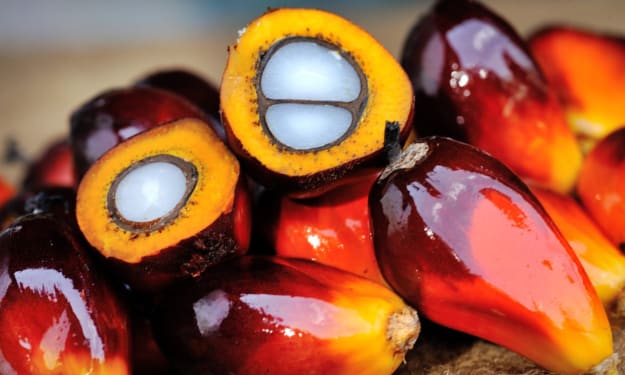
The Golden Harvest: Crafting Red Palm Oil in West Africa
In the heart of West Africa, a centuries-old tradition continues, yielding a golden treasure coveted across the globe. The production of red palm oil, characterized by its distinct flavor and rich texture, offers an artisanal journey into the heart of a vibrant industry. This article delves into the meticulous process of crafting red palm oil, its soaring market value, and the challenges faced by the dedicated workers who bring this cherished product to life.
By Anu Preethi Danila D2 years ago in Humans
Subject: UFOs - An Intriguing Phenomenon
Introduction Unidentified Flying Objects, or UFOs, have captivated human imagination for decades. These enigmatic sightings have sparked intense debate, intrigue, and curiosity worldwide. While skeptics dismiss UFOs as mere natural phenomena or man-made aircraft, others firmly believe that they represent encounters with extraterrestrial life. In this article, we will delve into the world of UFOs, exploring their history, potential explanations, and the ongoing quest for the truth.
By Allyssa collins 2 years ago in Humans
The Illusion of Freewill
This started as a fun piece on the illusion of time… until a tangent became its own short essay! Here goes; Everything around us in nature is circular. The planet we live on, the solar system it rotates within, the seasons. Everything follows patterns that we as humans are able to observe, document and discuss. We are fascinated by anything we believe doesn’t fit a known pattern.. only to later find on closer inspection that it absolutely does.
By Kayleigh Fraser ✨2 years ago in Humans
I Asked ChatGPT To Write a "Fictional" Story on How AI Will Destroy Humanity
Disclaimer: The following content has been automatically generated by an AI system and should be used for informational purposes only. We cannot guarantee the accuracy, completeness, or timeliness of the information provided. Any actions taken based on this content are at your own risk. We recommend seeking qualified expertise or conducting further research to validate and supplement the information provided.
By Sauvik Banerjee2 years ago in Humans
How Your Memory Works
"Sherlock Holmes, the famous detective, once compared the human brain to an attic, suggesting it had limited memory storage. His loyal companion, Dr. Watson, once mentioned the Earth orbiting the sun, to which Holmes humorously replied, 'Now that I do know, I shall do my best to forget it.'
By Harjot Singh2 years ago in Humans
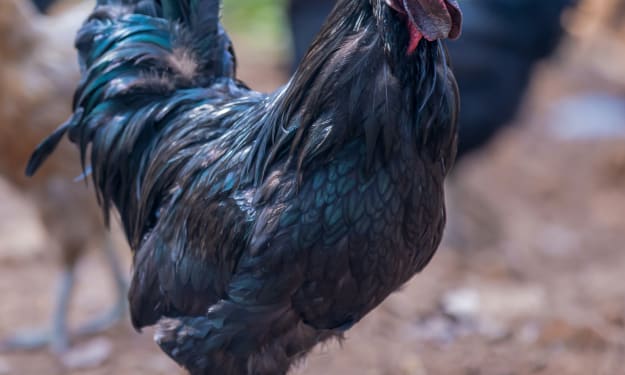
The Enigmatic Ayam Cemani Chicken: A Rare and Expensive Poultry Marvel
In the intriguing world of rare and exotic poultry, the Ayam Cemani chicken, native to Indonesia, stands out as a remarkable avian wonder. These captivating birds are celebrated for their striking all-black features, from feathers and beaks to bones and even internal organs. Yet, it's not just their mysterious appearance that sets them apart; it's also their hefty price tag. This article delves into the fascinating realm of Ayam Cemani chickens, exploring why they are considered one of the most expensive and sought-after breeds in the world.
By Anu Preethi Danila D2 years ago in Humans
Exploring the Mysteries: What Happens When You Die?. Content Warning.
Death is an inevitable part of the human experience, and throughout history, humanity has pondered the question of what happens when we die. While death remains shrouded in mystery, numerous cultural, religious, and philosophical beliefs offer perspectives on what may occur after our physical bodies cease to function. This article delves into some of these theories, exploring the possibilities and seeking to shed light on the enigma of what lies beyond.
By Karan Deep Singh2 years ago in Humans
Food You Thought Go In The Fridge But Dont
Putting oils like olive and coconut oils in the fridge can give them a strange cloudy consistency. This is because these oils solidify at cooler temperatures. However, keeping olive oil in the fridge is not recommended in the food world. Refrigerators are damp, humid, and filled with condensation, which can ruin the flavor and texture of the oil. The consistency of coconut oil depends on the climate, and it will turn solid in cold temperatures. It's best to keep it in a cool, dark place like the pantry to prolong its life. If you currently have these oils in the fridge and they have solidified, just take them out and they should go back to normal at room temperature. Nut and seed oils, on the other hand, are best kept in the refrigerator to prevent oxidation and spoilage. Surprisingly, in most cases, butter can actually be left out of the fridge. It's easier to spread and doesn't need to be refrigerated unless you live in a hot climate. Always keep butter covered and in a cool area away from direct sunlight. Cold tomatoes are often dull and flavorless because chilling them limits their ability to generate aroma and taste. Tomatoes are best kept at room temperature on the kitchen counter to maintain their flavor. If you want to slow down the ripening of tomatoes, you can put them in the fridge. However, if they become too ripe, it's time to make roasted tomato sauce. Ketchup's natural acidity makes it difficult for microorganisms to spoil it, so it's best to keep it at room temperature to improve the flavor. Whole melons don't need to be refrigerated as they retain more nutrients and taste better at room temperature. Watermelons, in particular, lose their flavor and color if kept in the fridge. Once a melon is cut open, it should be wrapped in cling wrap and refrigerated for a few days. Herbs like coriander and mint are best kept in the crisper, loosely wrapped in something absorbent to prevent them from absorbing fridge smells. Basil and parsley, however, should be left out as the dry air in the refrigerator causes the leaves to wilt. To store basil and parsley, cut the bottom off the stems and place them in a jar with a small amount of water, changing the water regularly. Uncut onions should be stored in a dark, dry area, away from direct sunlight. Once cut, place them in a resealable bag in the vegetable drawer, keeping them away from foods that can be affected by their smell. Cucumbers taste best when stored at room temperature, as lower temperatures can cause damage. Keep cucumbers in the pantry and away from apples and bananas to extend their shelf life and maintain their crispy taste. Peanut butter can be kept in the pantry for about three months after opening, as it doesn't need to be refrigerated anymore. However, if you want to extend its shelf life and prevent oil separation, you can keep it in the fridge, although it will harden and be more difficult to spread. Honey can crystallize and solidify in cold temperatures, so it's best to keep it at room temperature in a cool location away from direct sunlight and in a sealed container. Hot sauces don't need to be refrigerated as the vinegar and salt in them prevent spoilage. Plus, the heat of the peppers is more potent at room temperature. Be careful, as some hot sauces may solidify if left in the fridge. Avocados are best kept out of the fridge to allow them to ripen. Store them on the counter at room temperature.
By Darlington Sunday2 years ago in Humans