
The Golden Harvest: Crafting Red Palm Oil in West Africa
Exploring the Artisanal Process, Value, and Challenges of Red Palm Oil Production

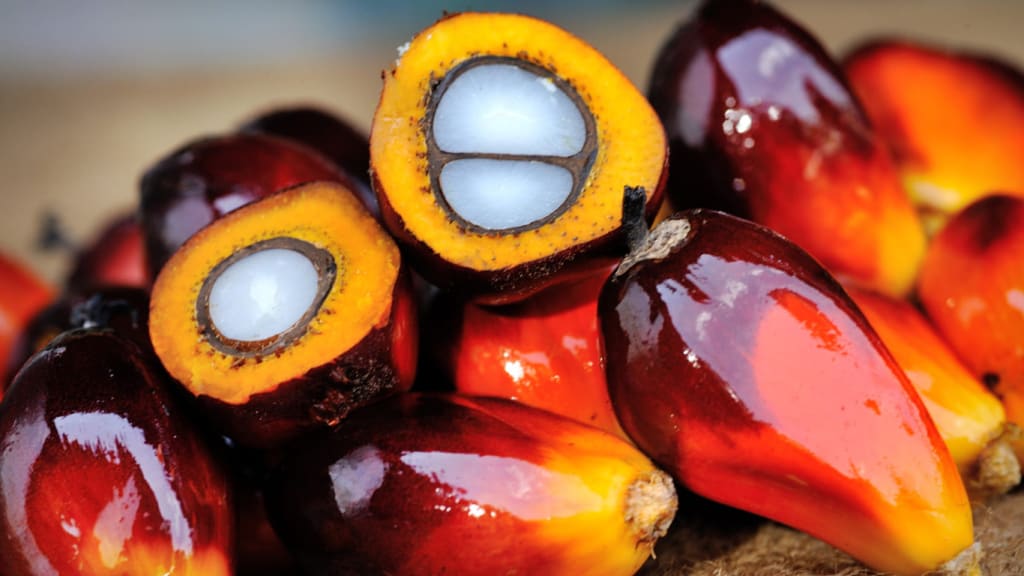
In the heart of West Africa, a centuries-old tradition continues, yielding a golden treasure coveted across the globe. The production of red palm oil, characterized by its distinct flavor and rich texture, offers an artisanal journey into the heart of a vibrant industry. This article delves into the meticulous process of crafting red palm oil, its soaring market value, and the challenges faced by the dedicated workers who bring this cherished product to life.
Climbing for Gold: Harvesting the Palm Fruits
Victor, a seasoned worker in this industry, embarks on a daring climb up towering palm trees that can reach up to 40 feet in height. Armed with nothing more than a homemade harness, a sturdy rope, and a simple axe, he navigates the tree's branches. His mission? To reach the valuable palm fruits that are the heart of this lucrative industry.
The Harvesting Challenge
While the prospect of falling is ever-present, another peril lurks in the shadows – snakes. Despite the dangers, workers like Victor rely on their handmade equipment to access the palm trees, where the treasure trove of fruits awaits.
From Palm to Red Gold: The Art of Processing
Once harvested, the palm fruits undergo a painstaking transformation. First, the spiky husks are removed and set out to dry, a process that also allows the fruits to ferment, enhancing the oil's unique flavor. After several days, the fruits are ready to be dehusked and processed further.
Oil Extraction: From Pulp to Precious Red Oil
In the next stage, the fruits are boiled and milled, creating a pulp that is then subjected to a hydraulic press. This press extracts the red palm oil, setting it apart from palm kernel oil, which necessitates drying and cracking the seeds. The result is a vivid, orange-red liquid that exudes a mildly floral aroma and boasts a luxurious, buttery texture.
The Allure of Red Palm Oil
In contrast to its more common counterpart, standard palm oil, red palm oil enjoys a revered status, particularly in West African cuisine. Its unique flavor and texture make it a preferred choice for culinary enthusiasts and home cooks alike.
Beyond Borders: Export and Value
The allure of red palm oil extends far beyond the shores of West Africa. When exported to countries such as the United States and the United Kingdom, a single liter of red palm oil can command a premium price, reaching up to $20. The value is influenced by factors such as location and supply, making it a sought-after commodity in international markets.
Navigating Challenges: From Climate to Competition
Despite the allure, red palm oil production faces an array of challenges. Unpredictable weather patterns, notably the extended rainy season in West Africa, can disrupt harvesting, leading to fruit spoilage. Additionally, the global palm oil industry, predominantly dominated by Southeast Asia, presents fierce competition.
Local Preference Prevails
Nonetheless, the local preference for red palm oil remains unwavering. It continues to grace the tables of West African households, enriching traditional dishes with its unique taste and texture.
Rising Costs: The Global Cooking Oil Conundrum
Recent years have witnessed a surge in cooking oil prices worldwide. Weather-related supply shortages in regions like Argentina and Canada, coupled with geopolitical factors like the Russian invasion of Ukraine, have led to increased costs. This global trend has also impacted the local price of red palm oil in Nigeria and other producing regions.
A Price Worth the Taste
In conclusion, the red palm oil industry is a testament to both tradition and adaptability. Workers like Victor, despite the risks they face, contribute to a legacy of craftsmanship that yields a product celebrated for its flavor and value. As cooking oil prices rise globally, the enduring appeal of red palm oil underscores the belief that its exceptional taste is a price well worth paying.
About the Creator
Keep reading
More stories from Anu Preethi Danila D and writers in Humans and other communities.
The Enigmatic Ayam Cemani Chicken: A Rare and Expensive Poultry Marvel
In the intriguing world of rare and exotic poultry, the Ayam Cemani chicken, native to Indonesia, stands out as a remarkable avian wonder. These captivating birds are celebrated for their striking all-black features, from feathers and beaks to bones and even internal organs. Yet, it's not just their mysterious appearance that sets them apart; it's also their hefty price tag. This article delves into the fascinating realm of Ayam Cemani chickens, exploring why they are considered one of the most expensive and sought-after breeds in the world.
By Anu Preethi Danila D2 years ago in Humans
Whiskey At Dusk
Guess the whiskey was more important to you in the end, wasn’t it? It was more than the well-being of your friends; more vital than showing up to the places you promised you would and could come to; more critical of a matter than fulfilling your damn responsibilities and getting the press off your back.
By Snarky Lisa5 days ago in Humans


Comments
There are no comments for this story
Be the first to respond and start the conversation.