fact or fiction
Is it a fact or is it merely fiction? Fact or Fiction explores relationship myths and truths to get your head out of the clouds and back into romantic reality.
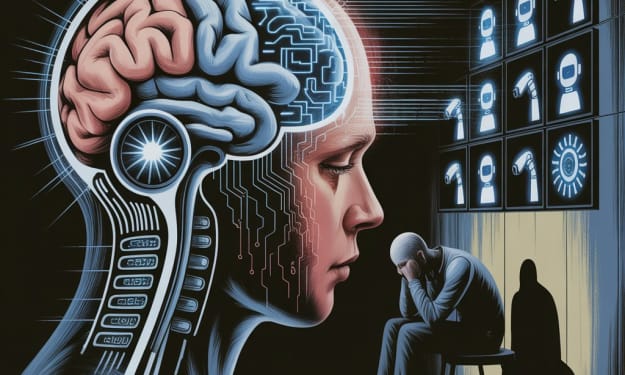
Why Facts Don’t Change Minds
Have you ever had a conversation with someone who refused to believe the truth, even after you showed them clear facts? You might have shared an article, a video, or a real-life example—yet, they held tightly to their opinion. It can be frustrating, but it’s also very common. So why does this happen? Why don’t facts change people’s minds?
By Muhammad Farhad Khan9 months ago in Humans
12 Different Types of Couples: Which One Are You?
12 Types of Couples You’ll Definitely Recognize (And Might Even Be!) Love is anything but one-size-fits-all. A few couples act like they strolled straight out of a Nicholas Sparks novel, whereas others appear to be featured in a never-ending reality TV scene. If you've ever people-watched at an eatery (or, let's be genuine, looked over couples on Instagram), you know precisely what I mean.
By Milan Milic9 months ago in Humans
The Mind Unlocked: How Psychology Can Reshape Your Thoughts, Habits, and Life"
Inside the Human Mind: How Understanding Psychology Can Transform Your Life The human brain is the most powerful tool in the universe—and the least understood by its owner. Every thought, emotion, habit, and decision is shaped by psychology. But few people realize how deeply their behavior is influenced by invisible forces in the mind. Learning how the brain works isn’t just for scientists—it’s the key to unlocking focus, happiness, success, and even peace.
By Muhammad Sanan9 months ago in Humans
Conditional Love: The Silent Killer of True Connection
Is Your Love Coming with Fine Print? Here’s the Truth About Conditional Love Ever felt like love came with terms and conditions, kind of like one of those subtle “free trials” that subtly charge your card after a month? That's conditional love—on the surface, it looks like love, but underneath, it's a contract with undetectable clauses. And guess what? It's more common than you think, and it can be unobtrusively subverting your relationship right now.
By Milan Milic9 months ago in Humans
Silence Behind Her Smile: A Girl’s Story Through Society’s Eyes
In a calm neighborhood of a little town, lived a young lady named Maya. She was 25, well-educated, respectful, and full of dreams. But like numerous young ladies around her, Maya carried a overwhelming burden—not of her choices, but of society's names.
By Rubaiya Haque9 months ago in Humans
The Love Renaissance: What Gen Z's Relationships Reveal About Modern Connection
Are Gen Zers sabotaging the true essence of romance or redefining it? Or they simply might be building something more intentional, resilient, and emotionally intelligent than any generation before. Once upon a time, romance came with rules. Handwritten letters, carefully curated phone calls, and silent nods of the elderly were the foundational stance of old-school love. But now, emojis, dating apps, and Instagram reels document love stories.
By Hridya Sharma9 months ago in Humans
The Forgotten Millions: Homelessness in a Modern World
The Life of a Homeless Person and the Global Homelessness Crisis Homelessness is one of the most visible signs of inequality and social failure in the modern world. It affects millions of people globally, cutting across age, race, gender, and nationality. A homeless person, often portrayed as someone sleeping on park benches or under bridges, is usually someone who has fallen through the cracks of society. But homelessness is not just a lack of shelter—it is a complex condition influenced by economic, social, psychological, and political factors. Understanding Homelessness A homeless person is someone who does not have a stable, safe, or adequate place to live. This includes people sleeping rough on the streets, staying in shelters, living in cars, or temporarily housed with friends or family (often called "couch surfing"). The reasons someone becomes homeless vary, but common causes include: Poverty and Unemployment: Loss of income or job can lead to inability to pay rent or mortgages. Mental Illness and Addiction: Numerous homeless people have substance abuse disorders or mental health issues that have not been treated. Family Breakdown or Domestic Violence: Victims, especially women and children, may leave abusive homes without a place to go. Lack of Affordable Housing: In many cities, housing prices have skyrocketed while wages remain stagnant. Natural Disasters and Conflicts: Refugees and internally displaced persons (IDPs) due to war, floods, or earthquakes often face homelessness. A Day in the Life of a Homeless Person Life on the streets is not only hard—it’s dangerous, unpredictable, and dehumanizing. Finding a safe place to sleep may be the first task of a typical day, which is frequently interrupted by the police or other individuals. A significant obstacle is hygiene. Access to showers, clean clothes, and restrooms is limited. Many rely on public facilities, charity organizations, or shelters. Finding food is another daily concern. Homeless people often eat from soup kitchens, food banks, or even trash bins. Some beg for money, while others do odd jobs, collect recyclables, or sell handmade items. Social isolation is intense. Many people avoid or ignore homeless individuals, making them feel invisible. Mental stress, humiliation, and hopelessness are constant companions. Despite this, many still hold onto dreams of a better life and show resilience in the face of hardship. Global Homelessness: A Major Problem Homelessness exists in every country, although it may appear in different forms. Let’s take a look at some examples from around the world: United States According to the U.S. Department of Housing and Urban Development (HUD), over 650,000 people were experiencing homelessness on a single night in 2023. Major cities like Los Angeles, San Francisco, and New York have witnessed an alarming rise in encampments and rough sleepers. The housing crisis, high rent, opioid epidemic, and mental health issues have contributed to this surge. Europe In the UK, homelessness has increased by more than 50% since 2010. Many homeless people in London and other cities are migrants or young adults leaving the foster care system. France, Germany, and Spain are also struggling with homelessness, especially among refugees and asylum seekers. In Scandinavian countries like Finland, however, the “Housing First” model—where people are given homes before addressing other problems—has successfully reduced homelessness. Asia In countries like India, Bangladesh, and the Philippines, homelessness is a major issue due to poverty, rapid urbanization, and weak infrastructure. Slums and makeshift homes are common in big cities. Many people live without any legal title to their homes, making them vulnerable to eviction. Japan, although economically strong, has a hidden homeless population. Many stay in 24-hour cafes or public parks, and the issue is often masked by social stigma and shame. Africa African countries face homelessness as a result of poverty, war, and displacement. In Nigeria, South Africa, and Kenya, urban centers have large numbers of street children and adults living in slums. Government support is often minimal, and NGOs fill in the gap. Latin America In Brazil and Mexico, homelessness is linked to violence, drugs, and economic inequality. Particularly vulnerable to exploitation and abuse are street children. Although governments have launched housing projects, corruption and bureaucracy often stall progress. The Impact of COVID-19 The COVID-19 pandemic had a significant impact on homeless populations. Many shelters closed or reduced capacity due to social distancing rules. Homeless people had limited access to healthcare, hygiene, or vaccination. At the same time, the economic fallout pushed many into homelessness for the first time. Interestingly, some governments offered temporary housing during the pandemic, proving that with political will, solutions are possible. However, many of these programs were short-term. Solutions and What Can Be Done Homelessness is solvable, but it requires coordinated efforts from governments, non-profits, and communities. Key strategies include: 1. Affordable Housing: Governments must invest in low-income housing and control rent prices in expensive cities. 2. Mental Health and Addiction Services: Outreach programs to treat mental illness and addiction can help prevent long-term homelessness. 3. Employment Programs: Job training and employment opportunities can help people regain independence. 4. Housing First Model: Providing housing first, without conditions, and then offering support services has proven effective in many places. 5. Public Awareness and Compassion: Reducing stigma and promoting empathy through education can foster community support and policy changes. Voices from the Streets Every homeless person has a story. John, a former IT worker in California, became homeless after losing his job and failing to afford his rent. "It just spiraled. One month I had a car and a laptop, next I was sleeping in a tent,” he says. Now he volunteers at a shelter, helping others get back on their feet. In Dhaka, Bangladesh, 19-year-old Rafiq lives on the footpath near a railway station. Orphaned at a young age, he sells water bottles to survive. “I want to open a tea stall one day,” he says, smiling. These stories show that homeless people are not lazy or broken—they are often victims of circumstances beyond their control. Given a chance, many work hard to change their lives. Conclusion Homelessness is a complex and painful issue that reflects deeper cracks in our societies. It is a human crisis—not just a housing problem. While the causes may differ by region, the suffering is universal. But with the right policies, compassion, and support, homelessness is not inevitable. It is a problem we can solve. We just need the courage to act, the will to invest, and the humanity to care.
By Abraham Lopez9 months ago in Humans
Twin Souls Unveiled: Discovering the Powerful Connection That Transcends Time
Twin Souls: A Love Story Written in the Stars Have you ever met somebody with whom you fairly clicked, like your soul, as if you had known them a long time, even though you had only met them recently? That's not just fate being cute. You might've just run into your twin soul. And no, this isn't your normal love story with butterflies and candlelight suppers. This is something deeper—sacred, even. It's the kind of connection that shakes you up from the inside out and strengthens you to develop in ways you didn't know you required.
By Milan Milic9 months ago in Humans