
The Forgotten Millions: Homelessness in a Modern World
Exploring the daily struggles, root causes, and global scale of homelessness in the 21st century
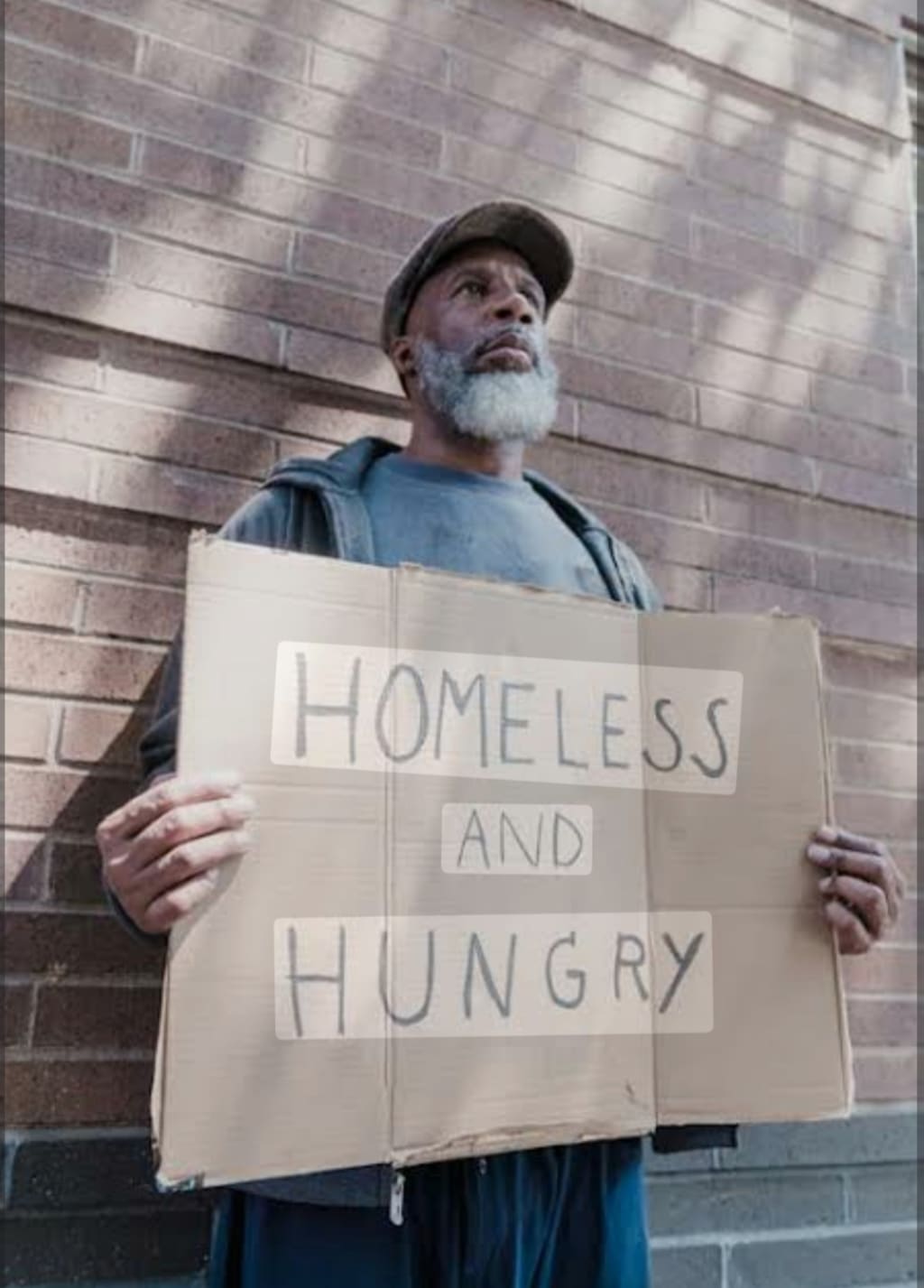
The Life of a Homeless Person and the Global Homelessness Crisis
Homelessness is one of the most visible signs of inequality and social failure in the modern world. It affects millions of people globally, cutting across age, race, gender, and nationality. A homeless person, often portrayed as someone sleeping on park benches or under bridges, is usually someone who has fallen through the cracks of society. But homelessness is not just a lack of shelter—it is a complex condition influenced by economic, social, psychological, and political factors.
Understanding Homelessness
A homeless person is someone who does not have a stable, safe, or adequate place to live. This includes people sleeping rough on the streets, staying in shelters, living in cars, or temporarily housed with friends or family (often called "couch surfing"). The reasons someone becomes homeless vary, but common causes include:
Poverty and Unemployment: Loss of income or job can lead to inability to pay rent or mortgages.
Mental Illness and Addiction: Numerous homeless people have substance abuse disorders or mental health issues that have not been treated. Family Breakdown or Domestic Violence: Victims, especially women and children, may leave abusive homes without a place to go.
Lack of Affordable Housing: In many cities, housing prices have skyrocketed while wages remain stagnant.
Natural Disasters and Conflicts: Refugees and internally displaced persons (IDPs) due to war, floods, or earthquakes often face homelessness.
A Day in the Life of a Homeless Person
Life on the streets is not only hard—it’s dangerous, unpredictable, and dehumanizing. Finding a safe place to sleep may be the first task of a typical day, which is frequently interrupted by the police or other individuals. A significant obstacle is hygiene. Access to showers, clean clothes, and restrooms is limited. Many rely on public facilities, charity organizations, or shelters.
Finding food is another daily concern. Homeless people often eat from soup kitchens, food banks, or even trash bins. Some beg for money, while others do odd jobs, collect recyclables, or sell handmade items.
Social isolation is intense. Many people avoid or ignore homeless individuals, making them feel invisible. Mental stress, humiliation, and hopelessness are constant companions. Despite this, many still hold onto dreams of a better life and show resilience in the face of hardship.
Global Homelessness: A Major Problem Homelessness exists in every country, although it may appear in different forms. Let’s take a look at some examples from around the world:
United States
According to the U.S. Department of Housing and Urban Development (HUD), over 650,000 people were experiencing homelessness on a single night in 2023. Major cities like Los Angeles, San Francisco, and New York have witnessed an alarming rise in encampments and rough sleepers. The housing crisis, high rent, opioid epidemic, and mental health issues have contributed to this surge.
Europe
In the UK, homelessness has increased by more than 50% since 2010. Many homeless people in London and other cities are migrants or young adults leaving the foster care system. France, Germany, and Spain are also struggling with homelessness, especially among refugees and asylum seekers.
In Scandinavian countries like Finland, however, the “Housing First” model—where people are given homes before addressing other problems—has successfully reduced homelessness.
Asia
In countries like India, Bangladesh, and the Philippines, homelessness is a major issue due to poverty, rapid urbanization, and weak infrastructure. Slums and makeshift homes are common in big cities. Many people live without any legal title to their homes, making them vulnerable to eviction.
Japan, although economically strong, has a hidden homeless population. Many stay in 24-hour cafes or public parks, and the issue is often masked by social stigma and shame.
Africa
African countries face homelessness as a result of poverty, war, and displacement. In Nigeria, South Africa, and Kenya, urban centers have large numbers of street children and adults living in slums. Government support is often minimal, and NGOs fill in the gap.
Latin America
In Brazil and Mexico, homelessness is linked to violence, drugs, and economic inequality. Particularly vulnerable to exploitation and abuse are street children. Although governments have launched housing projects, corruption and bureaucracy often stall progress.
The Impact of COVID-19
The COVID-19 pandemic had a significant impact on homeless populations. Many shelters closed or reduced capacity due to social distancing rules. Homeless people had limited access to healthcare, hygiene, or vaccination. At the same time, the economic fallout pushed many into homelessness for the first time.
Interestingly, some governments offered temporary housing during the pandemic, proving that with political will, solutions are possible. However, many of these programs were short-term.
Solutions and What Can Be Done
Homelessness is solvable, but it requires coordinated efforts from governments, non-profits, and communities. Key strategies include:
1. Affordable Housing: Governments must invest in low-income housing and control rent prices in expensive cities.
2. Mental Health and Addiction Services: Outreach programs to treat mental illness and addiction can help prevent long-term homelessness.
3. Employment Programs: Job training and employment opportunities can help people regain independence.
4. Housing First Model: Providing housing first, without conditions, and then offering support services has proven effective in many places.
5. Public Awareness and Compassion: Reducing stigma and promoting empathy through education can foster community support and policy changes.
Voices from the Streets
Every homeless person has a story. John, a former IT worker in California, became homeless after losing his job and failing to afford his rent. "It just spiraled. One month I had a car and a laptop, next I was sleeping in a tent,” he says. Now he volunteers at a shelter, helping others get back on their feet.
In Dhaka, Bangladesh, 19-year-old Rafiq lives on the footpath near a railway station. Orphaned at a young age, he sells water bottles to survive. “I want to open a tea stall one day,” he says, smiling.
These stories show that homeless people are not lazy or broken—they are often victims of circumstances beyond their control. Given a chance, many work hard to change their lives.
Conclusion
Homelessness is a complex and painful issue that reflects deeper cracks in our societies. It is a human crisis—not just a housing problem. While the causes may differ by region, the suffering is universal. But with the right policies, compassion, and support, homelessness is not inevitable. It is a problem we can solve. We just need the courage to act, the will to invest, and the humanity to care.
About the Creator
Keep reading
More stories from Abraham Lopez and writers in Humans and other communities.
The Full Flower Moon of 2025: A Magical Night Blooms on May 12
Full 'Flower Moon' 2025 Blooms on May 12: A Celestial Spectacle in the Spring Sky The full moon rises each month with its own name and significance, attracting skywatchers and nature enthusiasts alike. The ethereal light of the Full Flower Moon, which is expected to shine brightest on May 12 in 2025, will once more illuminate the night sky. This full moon has historical, cultural, and seasonal significance in addition to being a beautiful astronomical event. What is the "Flower Moon"? Native American and European customs inspired the name "Flower Moon." May marks the beginning of spring in the Northern Hemisphere. Flowers of all kinds begin to bloom in abundance—blanketing meadows, forests, and gardens with vibrant color and life. The "Flower Moon" was the name given to this full moon by early civilizations who used the lunar cycle to track time. The term gained popularity through the Old Farmer's Almanac, which popularized the traditional names of full moons. According to their records, the Flower Moon was a marker of increasing fertility in the earth, warmer weather, and the end of the planting season. When and How to See It In 2025, the Flower Moon will be at its fullest phase on May 12 at 9:56 PM UTC. This may be visible in the early morning of May 13 or in the evening of May 11, depending on your time zone. Regardless of when you see it, the moon will appear full and radiant for a day or two around the peak. To get the most out of your viewing: Find a dark, open area away from city lights. Beginning your observation at moonrise, which occurs shortly after sunset, If you want to get a closer look at the moon's craters and surface textures, you can do so with binoculars or a small telescope. This year’s Flower Moon will not coincide with a lunar eclipse or any unusual celestial event, but its sheer brilliance and the symbolism it carries make it a worthwhile sight. Cultural and Spiritual Significance Full moons have always played an important role in human culture and spirituality. In particular, the Flower Moon is regarded as a time of development, transformation, and celebration. Just as the earth bursts into color, many people use this time to reflect on their own personal growth. In Pagan and Wiccan traditions, the Flower Moon is a time for rituals related to abundance, love, and fertility. It's a period to plant both literal and metaphorical seeds and watch them grow. Buddhists often celebrate Vesak—the birth, enlightenment, and death of the Buddha—during May’s full moon, although the exact date varies based on the lunar calendar. In modern times, many people see the Flower Moon as a time to connect with nature, meditate under the moonlight, or simply enjoy the serenity that the full moon brings. Astrological Influence From an astrological perspective, May’s full moon in 2025 will fall in the sign of Scorpio, a zodiac known for intensity, emotional depth, and transformation. This combination of fertile spring energy with Scorpio’s powerful emotions may encourage introspection, relationship shifts, and a renewed sense of purpose. People who follow astrology might find this a good time to: Let go of emotional baggage Set intentions for personal healing Embrace change and transformation It’s a good opportunity to ask yourself: What is ready to bloom in your life? The Science Behind the Glow The moon doesn’t produce its own light—it reflects the light of the sun. A full moon occurs when the moon is on the opposite side of Earth from the sun, allowing its face to be fully illuminated from our perspective. Because of this alignment, the full moon can sometimes appear larger or brighter than usual, depending on its orbit and position. In 2025, the Flower Moon will not be a supermoon, meaning it won’t appear unusually large in the sky. Still, its beauty will be no less awe-inspiring. Tips for Photographing the Moon If you’re interested in capturing this moment, here are a few tips: Use a tripod to keep your camera steady. Lower the ISO to reduce grain. Use a zoom lens or smartphone telescope attachment for close-up details. Shoot during moonrise or moonset, when the moon appears lower and more colorful due to the Earth’s atmosphere. Even a simple smartphone can capture stunning images when timed right. Conclusion: Pause, Reflect, and Bloom The Full Flower Moon of May 12, 2025, is more than just a natural occurrence—it’s an invitation. It invites us to slow down, look up at the sky, and remember the rhythm of nature. Just as flowers bloom after a long winter, we too have the opportunity to grow, renew, and radiate our inner light. Whether you watch it with friends, from your rooftop, or in quiet solitude, this year’s Flower Moon promises to be a beautiful reminder of the season’s magic. So mark your calendars, prepare your cameras, and get ready to bask in the light of May’s most enchanting lunar show. --- Would you like a shorter version for social media or a Bangla translation of this article?
By Abraham Lopez10 months ago in History
My First Time Skiing and I Got Lost, Alone, in the French Alps
Looking back, I can trace some of my life’s biggest adventures to a simple action from my sister. She’d introduced me to Tommy (a very long time ago), a colleague of hers, who had overshared his penchant for Italian-looking women, and I ticked that box.
By Chantal Christie Weiss2 days ago in Humans
10 Brutal Truths About the Twin Flame Journey No One Talks About.
The twin flame concept has exploded in popularity, promising an epic, soul-shattering love that transcends ordinary relationships. It's sold as the ultimate spiritual partnership—one soul split into two, destined to reunite in profound harmony. Yet beneath the glossy narratives of destiny, unconditional love, and "sacred union" lies a far harsher reality. The twin flame journey is often excruciating, disorienting, and far from the fairy-tale romance many expect. Here are 10 brutal truths rarely discussed openly in spiritual communities, drawn from countless personal accounts, expert critiques, and lived experiences.
By Wilson Igbasi7 days ago in Humans


Comments
There are no comments for this story
Be the first to respond and start the conversation.