
Suniel Shetty: The Unsung Hero Who Rescued 128 Nepalese Women from Sex Trafficking
Act of hero

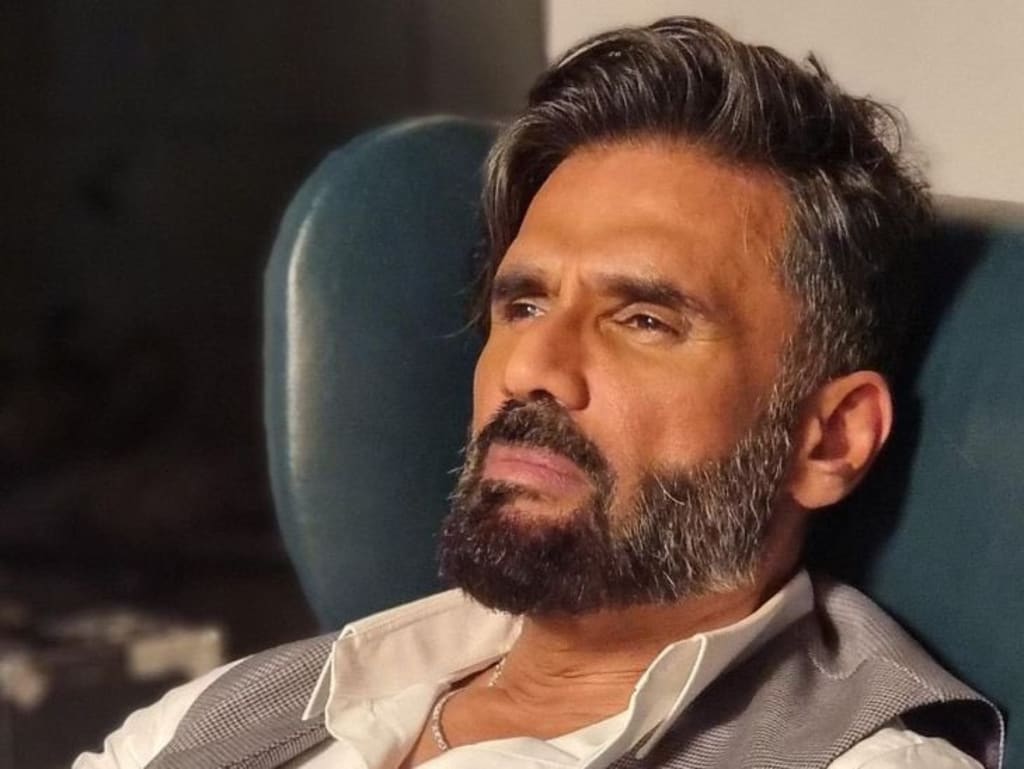
In the glitzy world of Bollywood, where actors are often revered for their on-screen heroics, there are few who embody the essence of a hero in real life. One such individual is Suniel Shetty, an acclaimed Indian actor known for his action-packed roles. In 1996, Shetty went beyond the call of duty and became a real-life savior for 128 Nepalese women trapped in a sex trafficking ring in Mumbai. This selfless act remained hidden from the public eye for over two decades, only coming to light when one of the survivors revealed the story in an interview in 2020.
The Dark Underbelly of Mumbai
Mumbai, the city of dreams, is not just a hub of Bollywood glitz and glamour but also harbors a dark underbelly where countless women fall prey to sex trafficking. In 1996, a group of 128 Nepalese women were lured to Mumbai with promises of better employment opportunities. Upon arrival, their dreams were shattered as they found themselves trapped in brothels, exploited and abused by the traffickers.
The situation for these women was dire. Stripped of their identities, they were held against their will, their dignity shattered, and hope dwindling. The Indian government, despite efforts, faced significant challenges in addressing the rampant issue of human trafficking, particularly in a city as vast and densely populated as Mumbai.
The Hero Emerges
Suniel Shetty, known for his tough-guy persona on screen, demonstrated a different kind of bravery off-screen. Upon learning about the plight of these Nepalese women, Shetty decided to take matters into his own hands. With a sense of urgency and compassion, he orchestrated a rescue operation that not only freed these women from their captors but also ensured their safe return to Nepal.
The rescue was a complex operation that required meticulous planning and discretion. Shetty collaborated with local authorities and NGOs, leveraging his resources and influence to penetrate the trafficking network. His primary goal was not just to rescue the women but to ensure that their ordeal ended permanently with a safe passage back home.
The Government's Refusal and Shetty's Determination
After the successful rescue, a new challenge emerged. The Nepalese government, for reasons not entirely clear, refused to repatriate the rescued women. This refusal left the women in a state of limbo, as they could not return home and faced the risk of falling back into the hands of traffickers in India.
Faced with this bureaucratic hurdle, Shetty took a bold step. He personally financed the airfare for all 128 women, ensuring they could return to Nepal safely. This act of generosity was not a mere financial transaction but a lifeline for these women, offering them a chance to rebuild their lives.
Shetty's involvement did not end with the financial support. He coordinated with local NGOs in Nepal to ensure the women received the necessary support upon their return, including counseling, medical care, and reintegration programs. His comprehensive approach underscored his commitment to truly transforming the lives of these survivors.
A Story Kept Private
Despite the magnitude of his actions, Shetty chose to keep this heroic deed private. In an industry where publicity often drives actions, Shetty's decision to stay silent speaks volumes about his character. For 24 years, this story remained untold, hidden from the public eye and media glare.
It was only in 2020 that the story came to light, when one of the rescued women, in an interview, recounted the harrowing ordeal and the man who saved them. Her revelation brought to the forefront a tale of courage and compassion that had been long buried. The survivor’s account highlighted not only the horrors of sex trafficking but also the profound impact one individual can have in changing the course of many lives.
The Impact and Legacy
Suniel Shetty’s actions in 1996 resonate deeply in today's context, where human trafficking remains a pervasive issue worldwide. His story is a powerful reminder of the difference one person can make, especially when they use their influence and resources for the greater good.
The legacy of Shetty's act extends beyond the immediate rescue. It sheds light on the importance of supporting survivors of trafficking comprehensively, ensuring they have the resources and support needed to reclaim their lives. His approach, combining rescue with long-term support, serves as a model for addressing such issues holistically.
Moreover, Shetty’s humility in keeping the story private for so long is a testament to his character. In a world where acts of charity are often publicized for personal gain, Shetty’s discretion highlights the true essence of altruism—doing good for the sake of it, without seeking recognition or accolades.
Conclusion
The story of Suniel Shetty and the 128 Nepalese women is one of resilience, compassion, and silent heroism. It underscores the pressing issue of human trafficking and the profound impact that determined individuals can have in combating it. As this story comes to light, it serves as an inspiration for others to take action and make a difference, reminding us all that true heroism often lies in the quiet, selfless acts of those who step up when it matters the most.
About the Creator
Keep reading
More stories from Deji Akomolafe and writers in Humans and other communities.
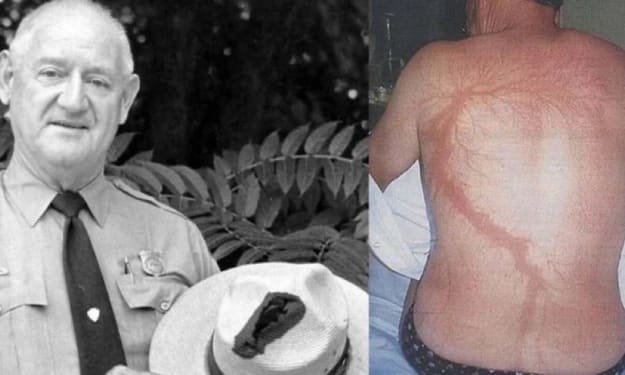
The Unbelievable Story of Roy Cleveland Sullivan: The Human Lightning Rod
Roy Cleveland Sullivan, an American park ranger in Shenandoah National Park in Virginia, holds a unique and astounding record. Between 1942 and 1977, Sullivan survived being struck by lightning on seven different occasions, earning him the nicknames "Human Lightning Conductor" and "Human Lightning Rod." His incredible and somewhat terrifying experiences have been recognized by the Guinness World Records, making him the person struck by lightning more recorded times than any other human being.
By Deji Akomolafe2 years ago in Humans
Dr. Martin Luther King Jr. Day
Introduction Dr. Martin Luther King Jr. Day is a special holiday celebrated in the United States. It honors the life and work of Dr. Martin Luther King Jr., a great leader who fought for freedom, equality, and justice. This day reminds people to treat everyone with respect and kindness, no matter their skin color, religion, or background. Dr. King believed in peace and non-violence, and his message is still important today.
By Farhan Sayedabout 16 hours ago in Humans



Comments (1)
If you google suniel shetty you will see the man shown in this story is not the same man on google. I dont know what this means...a fake story?... or what else?