
Sports and Life
Importance of sports in day to day life

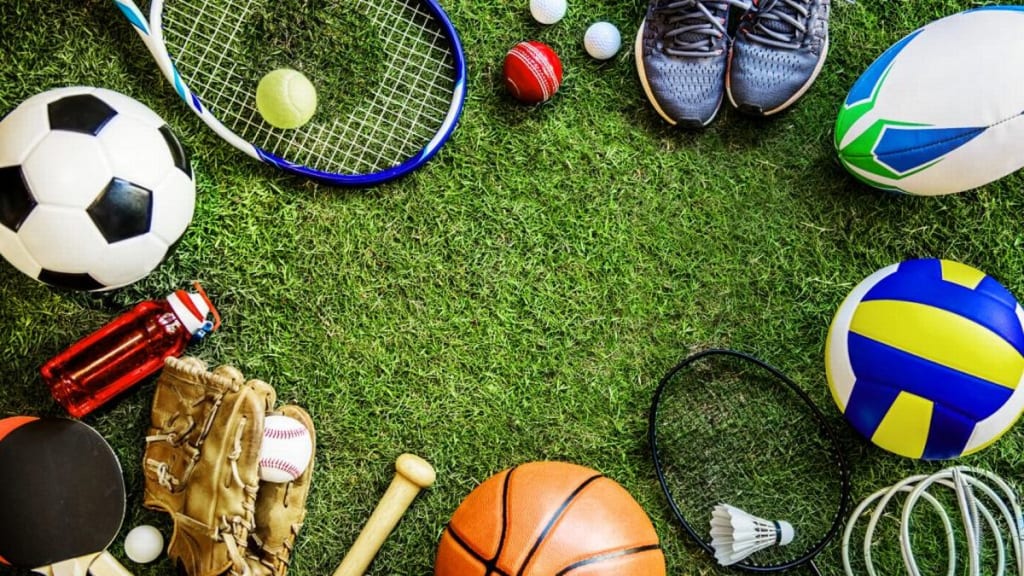
Sports can be important in many different ways in life. Here are some potential benefits of sports:
1. Physical health: Engaging in sports can have a significant impact on physical health. Regular physical activity can increase strength, which can help individuals perform daily tasks with greater ease and prevent injuries. Endurance can also be improved through sports, as the body becomes more efficient at using oxygen and energy. This can lead to better overall fitness and a reduced risk of chronic diseases such as heart disease and diabetes. Additionally, sports can help improve flexibility, which can increase range of motion and prevent muscle imbalances and injuries. Finally, cardiovascular health can be improved through sports, as the heart and lungs become stronger and more efficient at delivering oxygen and nutrients to the body. Overall, engaging in sports can have a positive impact on physical health, leading to a stronger, healthier body that is better equipped to handle daily activities and prevent chronic diseases.
2. Mental health: Sports can have a positive impact on mental health as well. Engaging in physical activity can help reduce stress and anxiety by releasing endorphins, which are natural chemicals that can improve mood and reduce feelings of pain or stress. In addition, participating in sports can provide a sense of accomplishment and boost self-esteem, as individuals may feel a sense of pride and satisfaction from achieving personal goals or winning competitions. Furthermore, sports can also provide a sense of structure and routine, which can be particularly beneficial for individuals struggling with depression or other mental health conditions. Finally, sports can help build social connections and a sense of community, which can provide support and a sense of belonging that can improve overall well-being. Overall, the mental health benefits of sports can be significant, providing a natural way to reduce stress, improve mood, build self-esteem, and connect with others in a positive and healthy way.
3. Social connections: One of the significant benefits of engaging in sports is the opportunity it provides for social connections. Participating in sports can create opportunities for individuals to meet new people, form friendships, and build relationships with teammates, coaches, and other individuals who share similar interests. This sense of community and belonging can be particularly beneficial for individuals who may feel isolated or disconnected from others. Building relationships through sports can provide a support system, a sense of accountability, and a source of motivation, which can help individuals stay committed to their physical and mental health goals. Moreover, the social connections formed through sports can extend beyond the playing field, leading to lasting friendships and a sense of belonging to a larger community. Overall, the social connections created through sports can have a significant positive impact on an individual's well-being, providing opportunities for social interaction, emotional support, and a sense of belonging to a larger community.
4. Leadership and teamwork skills: Participating in sports can be an excellent way to develop leadership and teamwork skills. In sports, individuals must work together to achieve a common goal, which requires communication, collaboration, and the ability to problem-solve together. Being a part of a team can help individuals learn how to communicate effectively, listen actively, and contribute to group discussions. Additionally, sports can help individuals develop leadership skills by providing opportunities to take on roles such as team captain or coach, which require decision-making, accountability, and the ability to motivate and inspire others. Furthermore, participating in sports can help individuals learn how to manage conflicts, both within the team and with opponents, which can be valuable skills in many areas of life. Finally, sports can also help individuals learn how to set goals, work towards them, and celebrate achievements, which can be valuable skills for personal and professional growth. Overall, participating in sports can be an excellent way to develop leadership and teamwork skills, improve communication and problem-solving abilities, and build valuable life skills that can be applied in many areas of life.
5. Personal growth: Sports can provide significant opportunities for personal growth, including building self-esteem, confidence, and resilience. By challenging oneself to improve physical and mental abilities, athletes can develop a sense of self-confidence and self-esteem, as they see progress in their abilities and achievements. Setting and achieving goals in sports can also contribute to a sense of accomplishment and build a growth mindset, where individuals focus on their progress rather than their limitations. Furthermore, sports provide opportunities to face challenges, overcome obstacles, and learn from setbacks, which can contribute to resilience and mental toughness. By pushing through difficult moments in sports, individuals can develop skills that can be applied to other areas of life, such as perseverance, determination, and adapt.
Overall, sports can have a positive impact on various aspects of life, and can help individuals develop physically, mentally, socially, and emotionally. However, it is important to note that not everyone may enjoy or benefit from sports in the same way, and there are many other ways to achieve these benefits as well.
About the Creator
Keep reading
More stories from writers in Humans and other communities.
When True Love Never Questions Your Soul
“And she’s going to learn that this life will hit you, hard, in the face, wait for you to get back up, just so it can kick you in the stomach but getting the wind knocked out of you is the only way to remind your lungs how much they like the taste of air.” — Sarah Kay’s Poem — If I Should Have a Daughter
By Chantal Christie Weiss7 days ago in Humans
How Reformer Pilates Supports Recovery after a Rotator Cuff Tear?
A rotator cuff tear can turn simple daily tasks into painful challenges. Reaching into a cupboard, putting on a shirt, or sleeping on your side may suddenly feel difficult. While rest and medical care are important, many people are surprised to learn how helpful Reformer Pilates can be during recovery.
By Maartin Hackman2 days ago in Humans
I've Just Realized
The President doesn't understand music. There. It felt very good to write that; it's some thing I just realized today. Oh , yes; he plays it. He TRUMPets it in rallies and meetings, pumps it across the airwaves when he gathers up our minutes waiting for his late arrival.
By Judey Kalchik 6 days ago in Beat



Comments
There are no comments for this story
Be the first to respond and start the conversation.