
How Reformer Pilates Supports Recovery after a Rotator Cuff Tear?
Gentle Strength and Stability for Safe Shoulder Recovery

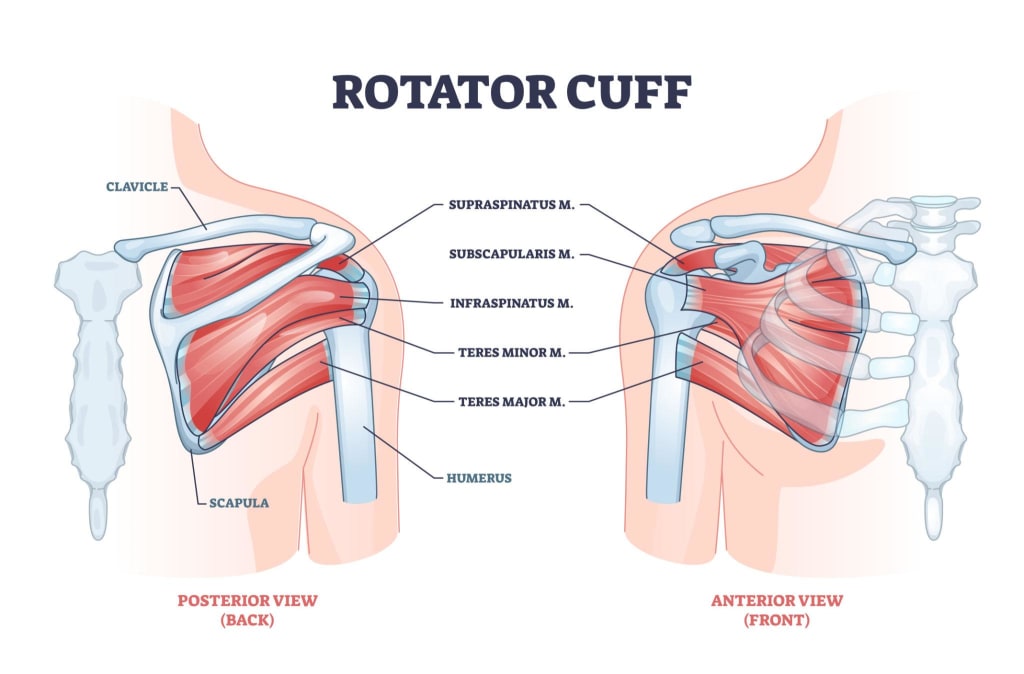
A rotator cuff tear can turn simple daily tasks into painful challenges. Reaching into a cupboard, putting on a shirt, or sleeping on your side may suddenly feel difficult. While rest and medical care are important, many people are surprised to learn how helpful Reformer Pilates can be during recovery.
Done correctly and under professional guidance, Reformer Pilates offers controlled movement, gentle resistance, and steady strengthening — all of which play an important role in rebuilding shoulder stability after injury.
Let’s look at how it works and why it can make a real difference.
Understanding a Rotator Cuff Tear
The rotator cuff is a group of four small muscles and tendons that hold the shoulder joint in place and allow you to lift and rotate your arm. These muscles include:
• Supraspinatus
• Infraspinatus
• Teres minor
• Subscapularis
A tear can happen suddenly — from a fall or lifting something heavy — or gradually over time due to wear and tear.
Common symptoms include:
• Shoulder pain, especially when lifting the arm
• Weakness
• Difficulty sleeping on the affected side
• A clicking or catching feeling
Depending on the severity, treatment may include rest, physiotherapy, injections, or surgery. Regardless of the approach, rebuilding strength safely is essential — and this is where Reformer Pilates fits in.
Why Movement Matters During Recovery
When the shoulder is painful, the natural reaction is to stop moving it. While short-term rest is important, avoiding movement for too long can lead to:
• Muscle weakness
• Stiffness
• Poor posture
• Reduced shoulder control
The key is controlled and graded movement. The shoulder needs gentle strengthening and stability training so it can return to daily tasks without strain.
Reformer Pilates offers exactly that.
What Is Reformer Pilates?
Reformer Pilates uses a specialised bed-like machine with springs that provide adjustable resistance. The carriage moves smoothly, allowing exercises to be performed in lying, seated, or standing positions.
Unlike heavy gym equipment, the resistance is controlled and can be set very light — ideal for someone recovering from a shoulder injury.
The springs guide movement, which helps improve control rather than forcing the joint through unstable patterns.
How Reformer Pilates Helps after a Rotator Cuff Tear?
1. Restores Shoulder Stability
The shoulder is a highly mobile joint. After a tear, it often becomes unstable. Reformer exercises focus on small, precise movements that activate the deep shoulder muscles.
Instead of large, forceful lifts, you work through controlled ranges. This helps retrain the rotator cuff muscles to support the joint properly.
2. Builds Strength without Overloading
Traditional strength training can be too intense in early recovery. With the reformer, resistance can be adjusted spring by spring.
This allows gradual progress. You start light, and then slowly increase resistance as strength returns.
The shoulder gets stronger — but without sudden strain.
3. Improves Posture
Many shoulder injuries are linked to poor posture. Rounded shoulders and forward head position place extra pressure on the rotator cuff.
Reformer Pilates pays close attention to spinal alignment. Strengthening the upper back and core helps the shoulder sit in a better position. When posture improves, the rotator cuff doesn’t have to work as hard.
4. Encourages Balanced Muscle Activation
After injury, the body often compensates. Larger muscles take over while smaller stabilising muscles switch off.
Reformer exercises isolate weak areas safely. This helps restore balanced muscle activity across the shoulder and upper back.
5. Supports Post-Surgical Rehabilitation
For people recovering from rotator cuff surgery, guided Reformer Pilates can be introduced in stages once cleared by a health professional.
Early sessions may focus on:
• Gentle assisted movements
• Scapular (shoulder blade) control
• Light resistance exercises
As healing progresses, strength and endurance work can be added.
What a Session Might Look Like
A clinical Reformer Pilates session for a rotator cuff tear is very different from a general fitness class.
You might begin with:
• Breathing and core activation
• Gentle shoulder blade setting exercises
• Supported arm movements using light springs
As your strength improves, exercises may include:
• Controlled arm lifts
• External rotation work
• Upper back strengthening
• Functional movement patterns that mimic daily tasks
Everything is adjusted based on your pain level and stage of recovery.
Real-World Example
Imagine someone who enjoys swimming but develops a rotator cuff tear from repetitive overhead strokes.
After initial treatment, they still feel weak and cautious lifting their arm above shoulder height.
Through guided Reformer Pilates:
• They rebuild shoulder blade stability
• Improve upper back strength
• Gradually reintroduce overhead movement
• Regain confidence in the joint
Over time, everyday tasks become easier. Returning to swimming feels less intimidating because the shoulder feels supported and strong.
Practical Tips for Starting Reformer Pilates after a Tear
1. Get Proper Assessment First
Always have your shoulder assessed by a qualified health professional before beginning.
2. Choose Clinical Supervision
Look for sessions guided by trained practitioners who understand shoulder rehabilitation — not just general fitness instructors.
3. Start Slowly
Even if you feel “okay,” avoid jumping into strong resistance too quickly.
4. Communicate About Pain
Some mild discomfort can be normal during rehab, but sharp or worsening pain should not be ignored.
5. Be Consistent
Recovery takes time. Regular sessions (once or twice per week) often work better than occasional bursts of activity.
Benefits beyond the Shoulder
While the focus is on rotator cuff recovery, many people notice additional benefits:
• Better overall posture
• Stronger core stability
• Reduced neck tension
• Improved body awareness
These improvements help reduce the risk of future shoulder issues.
How Long Does Recovery Take?
Recovery depends on:
• Severity of the tear
• Whether surgery was required
• Age and overall health
• Consistency with rehabilitation
Some mild tears improve within a few months. Surgical recovery may take longer.
Reformer Pilates is not a quick fix, but it supports steady, safe progress.
Why Gentle Strength Is Better Than Rest Alone
Many people think rest alone will fix the problem. But muscles weaken quickly when not used. Weak muscles place extra pressure on healing tendons.
Gentle resistance training helps:
• Improve blood flow
• Maintain joint mobility
• Restore confidence in movement
When done properly, it supports healing rather than interfering with it.
Final Thoughts
Recovering from a rotator cuff tear can feel frustrating. Progress may seem slow at times, especially if simple movements still cause discomfort.
Reformer Pilates offers a structured and supportive way to rebuild strength, stability, and control. The adjustable resistance, focus on alignment, and guided progression make it particularly suitable for shoulder rehabilitation.
With the right supervision and patience, many people find that their shoulder not only recovers — but feels stronger and more stable than before.
If you’re dealing with shoulder pain or recovering from a tear, speaking with a qualified professional about clinical Reformer Pilates could be a valuable next step.
FAQs: How Reformer Pilates Supports Recovery after a Rotator Cuff Tear
1. Can I start Reformer Pilates immediately after a rotator cuff tear?
Not always. In the early stage, rest and medical advice are important. Once cleared by a professional, gentle supervised sessions can begin.
2. Is Reformer Pilate’s safe after rotator cuff surgery?
Yes, but only under guidance. Exercises must follow your surgeon’s timeline and start with very light resistance.
3. Will Reformer Pilates completely heal my rotator cuff tear?
Pilates supports recovery by improving strength and control. Healing depends on the size of the tear and your treatment plan.
4. How often should I do Reformer Pilates for shoulder rehab?
Most people benefit from one to two sessions per week, combined with home exercises if prescribed.
5. Does Reformer Pilates hurt during recovery?
You may feel mild muscle effort, but sharp or worsening pain isn’t normal. Always let your practitioner know how your shoulder feels.
About the Creator
Maartin Hackman
Maartin Hackman, with 20+ years in clinical exercise and Pilates, champions MD Health's exclusive methods. His mission: help individuals overcome health challenges and live fully through personalized care.
Keep reading
More stories from Maartin Hackman and writers in Humans and other communities.
Why Do Pregnant Women Prefer Reformer Pilates Over Other Exercises?
Pregnancy and Pilates go hand in hand for many expectant mothers looking for a safe, effective way to stay active. Reformer Pilates, in particular, has become increasingly popular among pregnant women across Australia because it combines gentle movement with strength and flexibility training. Unlike traditional gym workouts or high-impact exercise classes, Reformer Pilates offers tailored support and controlled movements, making it an ideal choice for the unique demands of pregnancy.
By Maartin Hackman4 months ago in Humans
The Angry Man in Your House
"If you grow up with an angry man in your house, there will always be an angry man in your house" This statement has caused plenty of controversy online, people say its a statement that blames victims while also undermining those who break traumatic cycles to form health relationships... but if I'm honest now that I'm in my 30s it makes more sense to me than ever, and I'd argue that its not just about fathers and uncles.
By S. A. Crawford6 days ago in Humans
Why Local Singles Feel Anxious About Trusting New Partners
The experience of a new acquaintance is expected to be exhilarating, but to many of the local singles, they are accompanied by a lot of anxiety. It does not happen overnight and the current dating climate has complicated emotional security as it has never been. Previous disappointments, feelings of social pressure, and inability to understand the intentions of people have a role to play in the indecisiveness when establishing a novel relationship. Lot of companionship is still desired, but self-protection of feelings overpowers this needs. Knowing what causes trust anxiety allows the singles to be better aware of their approach to dating, be more patient and confident so that they can go ahead and not be paralyzed by fear or doubt.
By Olivia Smith3 days ago in Humans
Blessed 33
So I woke up on the morning of February 5, 2026 and guess what and you know what I realized? It’s my 33rd birthday. Do you know what that means? Yes, technically I’m getting old, but what I couldn’t have guessed was this would be one of the best days of my life.
By Joe Patterson5 days ago in Confessions




Comments
There are no comments for this story
Be the first to respond and start the conversation.