
Special ways to protect your car and home safety tips
Protecting your car and home is important
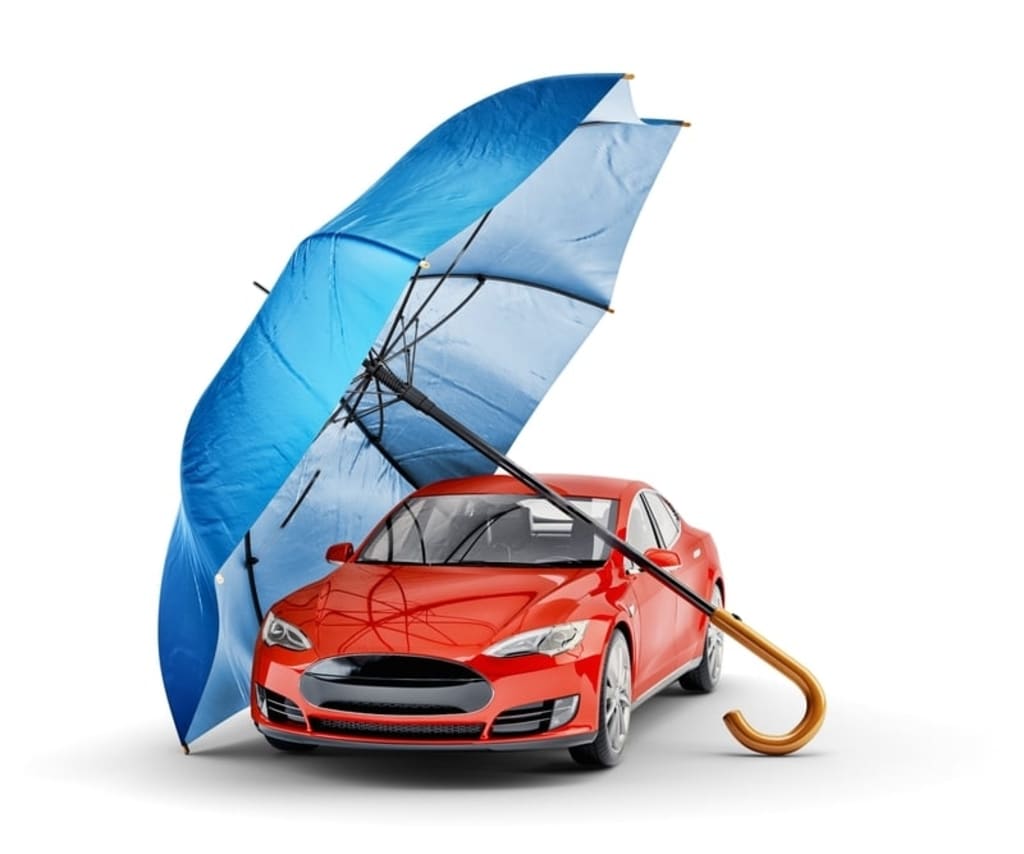
Are you sure you feel safe when you leave your car overnight in a parking lot or at the office? Every year, shifty lawbreakers steal millions of cars worldwide; in the U.S. alone, about 800,000 cars are stolen annually. Thieves are becoming more inventive, learning how to disable car alarms and outsmart smart keys. On average, they can drive away in your car in just 20 seconds. So, what can you do to protect your car?
First, let’s cover the basics. Imagine you’re at home and hear your car alarm going off. It’s screaming for help, and you rush to the window. You might not see anyone, perhaps just a neighbor passing by or a bird perched on your antenna. But what if someone was actually trying to get into your car? In that case, your alarm likely scared them off. Congratulations—you woke the whole neighborhood, but you saved your car!
To step up your game, consider installing a mute immobilizer. Here’s how it works: A thief breaks into your car and starts the engine. They think they’re getting away, but after a few seconds, the car stalls and refuses to move. The thief, frustrated, leaves. To start the car, you need two keys: your regular key and an electronic reader that confirms your identity, much like a text code for a secure app. Remember to keep these two keys separate. Additionally, experts recommend publicizing that your car is protected. A sticker stating “This car is protected by Super Secret Safe Security” might deter potential thieves, as they often avoid cars that appear to be well-secured.
Anti-theft systems work well, but you must remain vigilant. Imagine you’re late for a meeting and rush out of your car, not checking if the windows and doors are securely closed. In the parking lot, someone might be watching, waiting for an opportunity to strike. Even if they don’t steal your car, they could take any personal items left inside. Always check your car before leaving and ensure all valuables are out of sight, preferably locked in the glove compartment.
It’s also crucial to lock your car even when it’s parked in your driveway, and not just at night. Imagine coming home for dinner, leaving the car unlocked. Someone on the street might find your car just as tempting as your dinner smells. Locking your car during the day is equally important.
A common mistake many people make is leaving their car keys near the front door. If you place your keys on a table by the door, it becomes an easy target for a thief lurking nearby. They could quickly grab your keys and take off with your car without you hearing a thing. Never leave valuables, including keys, near the front door, and always lock it behind you.
If you have concerns about home security, you might consider some low-cost deterrents, like placing foil on the door handle at night. If it’s ripped in the morning, someone might have tried to enter. Similarly, placing a mug on the doorknob can create noise if someone tries to turn it, potentially scaring them away.
Burglars often scout homes before breaking in. If you’re going on vacation, take precautions to make your house look occupied. Arrange for a neighbor to take your mail and maintain your yard. In winter, have someone create footprints around your house in the snow. Use sharp-leafed shrubs along fences to deter intruders, as they can catch fragments of clothing and alert neighbors with their discomfort.
While preparing for a trip, randomize the times you open and close your curtains. Move expensive electronics away from windows, and hide small valuable items in unexpected places, like a child’s room. Burglars typically avoid kids’ rooms because they don’t expect to find valuables there.
Lastly, take photos of serial numbers on your electronics for insurance purposes. With these measures, you can make your home and car less attractive targets for thieves. Stay vigilant and keep your belongings safe.
About the Creator
Keep reading
More stories from Elizabeth Igeze and writers in Humans and other communities.
Crime In America
In the fall of 2022, 100 interview was conducted across New York, Seattle, Chicago, and Philadelphia. Hanna Love, who researches cities and public safety at the Brookings Institution, noted that the predominant concern among respondents was the fear of crime in downtown business districts. It was two years into the pandemic, amidst a period perceived as an explosion of crime in America. Headlines declared, “Crime spiking on the streets,” “cities across the country grapple with crime,” “crime has increased,” “nationwide spike in violent crime,” “violent crime in the US is rising,” and “homicides increased by 36%.”
By Elizabeth Igeze2 years ago in Humans
The CEO of Everything
They say "jack of all trades, master of none," but they forgot to mention the part where the jack of all trades is also the camera woman, the makeup artist, and the person currently yelling at a tangled Wii microphone cable in a her own bathroom while recording herself singing and trying to make it look realistic and professional. (As professional as you can make it with nothing but a cell phone camera and a mic that doesn't work)
By Sara Wilson5 days ago in Humans
How to Lose Weight Without Strict Meal Plans.
Weight loss does not require rigid meal plans. Structure helps some people. Many struggle with restriction. A flexible approach supports consistency and long term results. You focus on habits instead of rules. You build routines you maintain.
By Wilson Igbasiabout 23 hours ago in Humans


Comments
There are no comments for this story
Be the first to respond and start the conversation.