

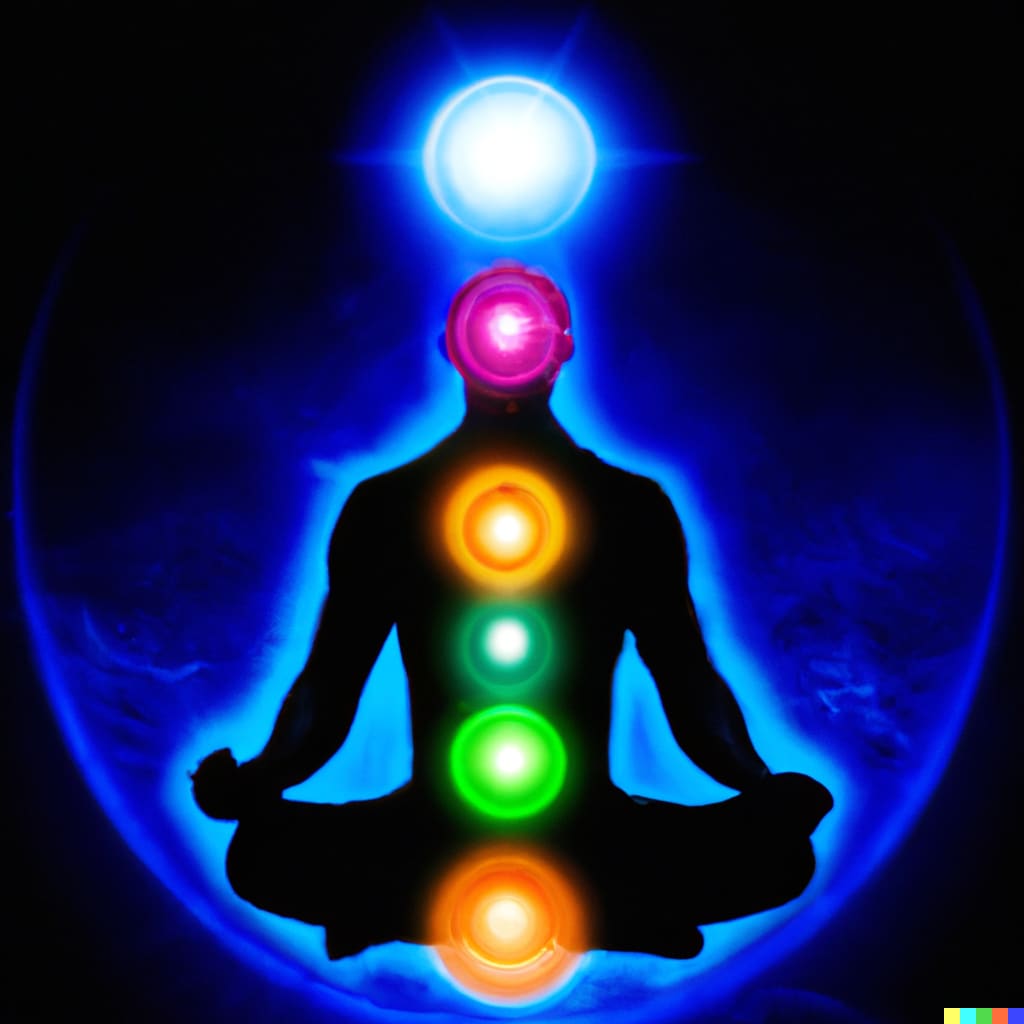
Chakras are energy centers that are believed to exist within the human body, according to certain spiritual and religious traditions. There are different interpretations of the number and location of chakras, but one common system recognizes seven chakras, which are often associated with different aspects of physical, emotional, and spiritual well-being. Seven Chakra meditation is also known as Kundalini Meditation Here are the seven chakras in the human body:
1 . Root Chakra (Muladhara)
2 . Sacral Chakra (Svadhisthana)
3 . Solar Plexus Chakra (Manipura)
4 . Heart Chakra (Anahata)
5 . Throat Chakra (Vishuddha)
6 . Third Eye Chakra (Ajna)
7 . Crown Chakra (Sahasrara)
Root Chakra (Muladhara) :
The Muladhara Chakra, also known as the Root Chakra, is the first chakra in the body from the bottom of spine, according to the traditional system of Hindu and Buddhist philosophy. It is located at the base of the spine, near the coccyx or tailbone. The Muladhara Chakra is associated with the element of earth and is often depicted as a red lotus with four petals.
The Muladhara Chakra is said to be the foundation of the energy system of the body and is associated with feelings of grounding, stability, and security. It is also associated with the physical body, including the legs, feet, and pelvic floor. When the Muladhara Chakra is balanced, a person may feel a sense of safety and stability, as well as a connection to their physical body and the earth.
Imbalances in the Muladhara Chakra may manifest as physical, emotional, or psychological issues, such as anxiety, insecurity, or problems with the lower back, legs, or feet. Practices such as yoga, meditation, and breathwork may be used to balance and activate the Muladhara Chakra, as well as other methods such as grounding exercises and connecting with nature.
Sacral Chakra (Svadhisthana) :
The Sacral Chakra, also known as the Svadhisthana Chakra, is the second chakra in the body. It is located in the lower abdomen, just below the navel. The Sacral Chakra is associated with the element of water and is often depicted as an orange lotus with six petals.
The Sacral Chakra is associated with emotions, creativity, and sexuality. It is also associated with the reproductive organs, bladder, and kidneys. When the Sacral Chakra is balanced, a person may feel a sense of pleasure, joy, and emotional balance, as well as a connection to their creative and sexual energy.
Imbalances in the Sacral Chakra may manifest as physical, emotional, or psychological issues, such as a lack of creativity, emotional instability, or sexual dysfunction. Practices such as yoga, meditation, and breathwork may be used to balance and activate the Sacral Chakra, as well as other methods such as engaging in creative activities, expressing emotions, and exploring sexuality in a healthy way.
Solar Plexus Chakra (Manipura) :
The Solar Plexus Chakra, also known as the Manipura Chakra, is the third chakra in the body. It is located in the upper abdomen, near the stomach. The Solar Plexus Chakra is associated with the element of fire and is often depicted as a yellow lotus with ten petals.
The Solar Plexus Chakra is associated with personal power, confidence, and self-esteem. It is also associated with the digestive system and metabolism. When the Solar Plexus Chakra is balanced, a person may feel a sense of inner strength, self-assurance, and confidence in their abilities.
Imbalances in the Solar Plexus Chakra may manifest as physical, emotional, or psychological issues, such as low self-esteem, difficulty making decisions, or digestive problems. Practices such as yoga, meditation, and breathwork may be used to balance and activate the Solar Plexus Chakra, as well as other methods such as engaging in activities that build confidence and practicing self-care.
Heart Chakra (Anahata Chakra) :
The Heart Chakra, also known as the Anahata Chakra, is the fourth chakra in the body according to the traditional system of Hindu and Buddhist philosophy. It is located in the center of the chest, near the heart. The Heart Chakra is associated with the element of air and is often depicted as a green lotus with twelve petals.
The Heart Chakra is associated with love, compassion, and emotional balance. It is also associated with the cardiovascular system and the lungs. When the Heart Chakra is balanced, a person may feel a sense of love and connection to others, as well as a sense of emotional balance and inner peace.
Imbalances in the Heart Chakra may manifest as physical, emotional, or psychological issues, such as a lack of compassion, difficulty with relationships, or heart and lung problems. Practices such as yoga, meditation, and breathwork may be used to balance and activate the Heart Chakra, as well as other methods such as practicing forgiveness and cultivating self-love.
Throat Chakra (Vishuddha) :
The Throat Chakra, also known as the Vishuddha Chakra, is the fifth chakra in the body. It is located in the throat area. The Throat Chakra is associated with the element of sound and is often depicted as a blue lotus with sixteen petals.
The Throat Chakra is associated with communication, self-expression, and creativity. It is also associated with the thyroid gland and the respiratory system. When the Throat Chakra is balanced, a person may feel a sense of clear and effective communication, as well as the ability to express their ideas and creativity.
Imbalances in the Throat Chakra may manifest as physical, emotional, or psychological issues, such as difficulty with self-expression, a fear of speaking up, or problems with the throat or voice. Practices such as yoga, meditation, and breathwork may be used to balance and activate the Throat Chakra, as well as other methods such as engaging in creative activities, practicing assertiveness, and speaking one's truth.
Third Eye Chakra (Ajna) :
The Ajna Chakra, also known as the Third Eye Chakra, is the sixth chakra in the body. It is located in the center of the forehead or Eyebrows, just above the eyebrows. The Ajna Chakra is associated with the element of light and is often depicted as a dark blue or indigo lotus with two petals.
The Ajna Chakra is associated with intuition, insight, and wisdom. It is also associated with the pituitary gland and the nervous system. When the Ajna Chakra is balanced, a person may experience a deep sense of inner knowing, heightened intuition, and a stronger connection to their higher self.
Imbalances in the Ajna Chakra may manifest as physical, emotional, or psychological issues, such as difficulty with decision-making, a lack of intuition, or headaches. Practices such as yoga, meditation, and breathwork may be used to balance and activate the Ajna Chakra, as well as other methods such as visualization and engaging in activities that enhance intuition and inner wisdom.
Benefits of balancing the Ajna Chakra include a deeper sense of self-awareness, greater insight and understanding, enhanced intuition and creativity, and a greater sense of inner peace and spiritual connection. Balancing this chakra can also improve focus, concentration, and mental clarity.
Crown Chakra (Sahasrara) :
The crown chakra, also known as Sahasrara, is the highest of the seven chakras in the body. It is located at the top of the head and is associated with the color violet or white. The crown chakra is often considered the gateway to spiritual enlightenment, and its opening is said to lead to a sense of connection to the divine and a deep sense of inner peace.
Some of the benefits of a balanced and open crown chakra include:
1. Spiritual connection: Opening the crown chakra can help you connect to your spiritual self, and develop a deeper understanding of the universe and your place in it.
2. Inner peace: A balanced crown chakra can help you feel more at peace with yourself and the world around you.
3. Increased intuition: An open crown chakra can enhance your intuition and give you a better sense of knowing what is right for you.
4. Clarity of thought: When the crown chakra is balanced, you may experience a greater ability to think clearly and make decisions with a calm and focused mind.
5. Connection to higher consciousness: The crown chakra is said to be the seat of consciousness, and opening it can lead to a deeper connection to higher states of consciousness.
Overall, the crown chakra is an important energy center that plays a vital role in our spiritual and mental wellbeing.
About the Creator
Paul Denis
I am Paul Denis, Born and grown up in india. I am a music producer and song writter. My main aim is to connect with the people's all around globe and spread postivity
Keep reading
More stories from Paul Denis and writers in Humans and other communities.
Sprituality
Introduction: Spirituality refers to a sense of connection to something greater than oneself, and often involves a search for meaning and purpose in life. It can encompass beliefs and practices from religious traditions, as well as more personal, individual experiences and interpretations. Some people find spirituality through religious observance and community, while others may explore it through meditation, mindfulness, or other forms of personal reflection. Spirituality can provide comfort, support, and guidance, and can play a role in an individual's overall well-being and sense of fulfillment. However, it can also be a complex and nuanced aspect of life, and individuals may have diverse and evolving experiences and understandings of spirituality over time.
By Paul Denis3 years ago in Earth
Autonomy Is The Real Privilege
Good morning, freedom-seekers! Today we’re gonna be looking at autonomy. A strange word, I know; one many would probably look at blankly and run away from on sight. We’re gonna figure out what it actually means, consider how it’s achieved, and decipher just how deeply most of us are tangled up in dependence without realising it.
By That ‘Freedom’ Guyabout 11 hours ago in Humans




Comments (1)
Hi All, Clarify your doubts to me related with Seven Chakra's