
Why Low-Effort Love Feels Normal in Modern Dating
How Minimal Emotional Investment Became Attractive


here was a time when love was expected to be intense.
You were supposed to care deeply.
Fight for connection.
Lose sleep.
Feel everything.
Now, something quieter is happening.
People still want love — but not the weight of it.
They want closeness without obligation.
Affection without emotional responsibility.
Connection without disruption.
Low-effort love didn’t arrive suddenly.
It crept in slowly, disguised as independence, self-respect, and emotional maturity.
And somehow, it started to feel… normal.
This article isn’t about blaming anyone.
It’s about understanding why minimal emotional investment became attractive, and what it reveals about how modern love has changed.

The New Relationship Ideal Isn’t Passion — It’s Manageability
Ask people what they want from love today, and you’ll hear familiar words:
“Easy.”
“Drama-free.”
“Low maintenance.”
“Chill.”
These aren’t shallow desires.
They’re defensive ones.
Modern relationships are no longer built around emotional intensity — they’re built around emotional tolerance.
The question isn’t:
How much do I feel for this person?
It’s:
How much emotional disruption can I afford right now?
Low-effort love feels appealing because it promises something rare:
connection without chaos.

Emotional Burnout Changed the Rules of Attraction
People didn’t wake up one day and decide to love less.
They got tired.
Tired of:
- over-investing
- unclear expectations
- emotional rollercoasters
- one-sided effort
loving people who weren’t emotionally present
After enough emotional exhaustion, the nervous system adapts.
It starts prioritizing safety over depth.
Low-effort love feels attractive because it doesn’t activate old wounds.
It doesn’t demand too much.
It doesn’t threaten emotional stability.
And in a world where everyone feels stretched thin, that feels like relief.

Minimal Emotional Investment Feels Like Control
Deep love requires surrender.
Low-effort love feels controlled.
When you invest less emotionally:
- rejection hurts less
- loss feels manageable
- uncertainty feels safer
- vulnerability stays limited
You’re not emotionally naked.
You’re emotionally insured.
This isn’t emotional coldness — it’s emotional risk management.
People learned that caring deeply often meant losing control.
So they adjusted the formula.
Less attachment.
More distance.
More options.
And suddenly, restraint became attractive.
Independence Became a Mask for Emotional Avoidance
Independence is healthy.
But modern dating blurred the line between:
self-sufficiency and emotional disengagement.
People proudly say:
- “I don’t need anyone.”
- “I’m fine on my own.”
- “I don’t get attached easily.”
Sometimes that’s growth.
Sometimes it’s avoidance dressed as strength.
Low-effort love allows people to stay emotionally autonomous while still enjoying companionship.
It’s intimacy without dependence.
Connection without entanglement.
And in a culture that glorifies independence, that feels admirable — even when it’s quietly lonely.

Why Consistency Feels More Attractive Than Chemistry Now
Chemistry used to be everything.
Now consistency wins.
Someone who:
- texts back
- doesn’t disappear
- doesn’t overwhelm
- doesn’t demand too much
feels more attractive than someone who sparks intense emotion but destabilizes peace.
Low-effort love thrives in predictability.
It doesn’t chase highs.
It avoids lows.
It exists in emotional moderation — and after years of emotional extremes, moderation feels mature.

Dating Apps Trained Us to Stay Light
Modern dating environments reward emotional lightness.
You’re always aware that:
- there are other options
- nothing is permanent
- attachment can be replaced
- over-investing feels risky
So people subconsciously adjust.
They keep emotions flexible.
They avoid going all in.
They stay “open.”
Low-effort love fits perfectly into this ecosystem.
It’s easy to maintain.
Easy to exit.
Easy to replace.
And because everyone’s doing it, it stops feeling wrong.
Emotional Availability Is No Longer Assumed
In the past, entering a relationship meant emotional presence.
Now it doesn’t.
People date while:
- emotionally healing
- emotionally distracted
- emotionally unavailable
- emotionally unsure
Low-effort love accommodates this.
It doesn’t require readiness.
It doesn’t ask for clarity.
It allows people to stay half-present without being confronted.
And because emotional availability is rare, emotional neutrality becomes acceptable.
Why Effort Started Feeling “Too Much”
Here’s the uncomfortable truth:
Effort didn’t become unattractive.
Unreciprocated effort did.
People learned that giving more didn’t guarantee security.
So they adjusted expectations downward.
Instead of asking:
“Will this person meet me emotionally?”
They ask:
“Can I survive this emotionally if it ends?”
Low-effort love minimizes emotional loss.
It’s not about laziness.
It’s about protection.
Low-Effort Love Feels Peaceful — Until It Doesn’t
At first, low-effort love feels calm.
No pressure.
No emotional labor.
No intense conversations.
But over time, something subtle happens.
You start craving:
- depth
- emotional resonance
- being truly known
- mutual vulnerability
And low-effort love can’t deliver that.
It keeps things pleasant, but shallow.
Safe, but distant.
Stable, but incomplete.
That’s when people feel confused.
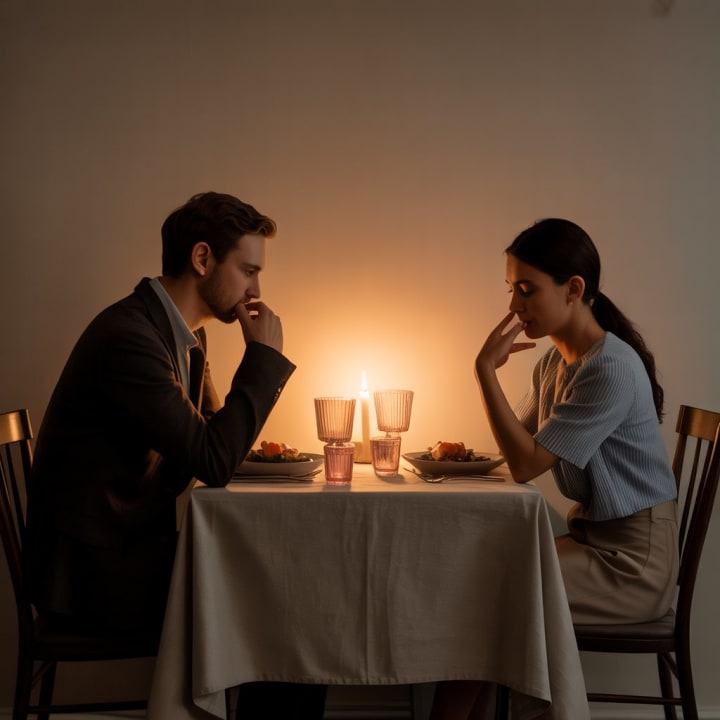
They’re “with someone” — yet emotionally alone.
Why People Stay in Low-Effort Relationships Longer Than They Should
Low-effort love is hard to leave because nothing is wrong.
There’s no dramatic betrayal.
No clear conflict.
No obvious toxicity.
Just emotional quiet.
And quiet is easy to tolerate.
Especially when life already feels loud.
So people stay.
They settle into emotional minimalism.
They adjust their expectations.
Until one day, the absence of depth becomes impossible to ignore.
The Hidden Cost: Emotional Atrophy
Emotions work like muscles.
If you don’t use them fully, they weaken.
Low-effort love slowly teaches people to:
- feel less
- ask for less
- expect less
- need less
That might feel empowering at first.
But over time, it creates emotional numbness.
People stop recognizing what real connection feels like.
They forget how to be deeply moved.
They confuse peace with emptiness.
Why Low-Effort Love Is a Phase — Not a Destination
Low-effort love is often a response to pain, not a final form.
It’s a resting state.
A recovery stage.
A protective adjustment.
But humans don’t thrive in emotional neutrality.
They need:
- meaning
- emotional risk
- mutual investment
- vulnerability
Eventually, the nervous system wants more than safety.
It wants connection that feels alive.
What Healthy Love Actually Requires (And Why It Feels Rare)
Healthy love isn’t low-effort.
It’s balanced effort.
It includes:
- emotional presence
- honest communication
- mutual responsibility
- space and closeness
- effort without exhaustion
The reason it feels rare now is because:
- many people are still healing
- many are emotionally guarded
- many confuse detachment with maturity
Healthy love asks for courage.
Low-effort love avoids it.
If You’re Drawn to Low-Effort Love, Ask Yourself This
Instead of judging yourself, ask honestly:
Am I choosing ease because:
- I’m protecting unhealed wounds?
- I’m afraid of emotional intensity?
- I don’t trust reciprocity yet?
- I’m still learning how to love without losing myself?
There’s no shame in choosing safety — as long as you know why.
Awareness turns coping into choice.
Final Reflection: Love Didn’t Get Worse — People Got Tired
Love didn’t become shallow.
People became careful.
Low-effort love feels normal now because emotional survival became a priority.
Because people learned the cost of caring too much without safety.
Because peace feels precious in a chaotic world.
But eventually, most people realize:
Safety without depth isn’t fulfillment.
Calm without connection isn’t intimacy.
Ease without meaning isn’t love.
And when they’re ready, they don’t look for effortlessness.
They look for something worth the effort.

If this article felt uncomfortably familiar, you’re not alone.
Tap the ❤️ if you’ve noticed how love has changed.
Share it with someone who’s navigating modern relationships quietly.
And Subscribe for more deeply human writing on love, emotions, and modern connection.
Sometimes clarity hurts —
but it also frees you.
About the Creator
F. M. Rayaan
Writing deeply human stories about love, heartbreak, emotions, attachment, attraction, and emotional survival — exploring human behavior, healthy relationships, peace, and freedom through psychology, reflection, and real lived experience.
Keep reading
More stories from F. M. Rayaan and writers in Humans and other communities.
Why Modern Love Feels So Intense — Yet Ends So Fast
Introduction: The Paradox of Modern Love Modern love feels powerful. Fast. Consuming. People fall for each other in weeks, sometimes days. Conversations feel electric. Eye contact feels loaded. Texts feel addictive. There’s chemistry, attraction, emotional openness, and an almost cinematic sense of connection.
By F. M. Rayaan2 months ago in Humans
Kavon Herbert Biography
Kavon Herbert (born May 19, 2001) is an American social media personality, hairstylist, and emerging public figure recognized for his individuality, creative expression, and growing digital influence. Known for blending confidence with authenticity, Kavon has built a presence that extends beyond twin recognition and into a brand defined by personality, resilience, and style.
By Kavon Herbert6 days ago in Humans
Tatt~Master
— Assembly Line Tatt Machine ~ Impressions to Impress — As I begin to understand more about the Tattoo Phenomenon. I've written silly, yet verbatim, dating site anecdotes in 'Frazzled.' So let me ask you: Would you be More attracted to someone slathered with tattoos, or Less?
By Jay Kantor5 days ago in Humor




Comments (2)
I can’t stop thinking about this. It explains so much about modern dating—why calm and easy feels safe, even when it leaves a quiet emptiness.
Love certainly is risky. Interesting analysis!