
Self-Compassion
Cultivating Kindness and Acceptance for Improved Well-being
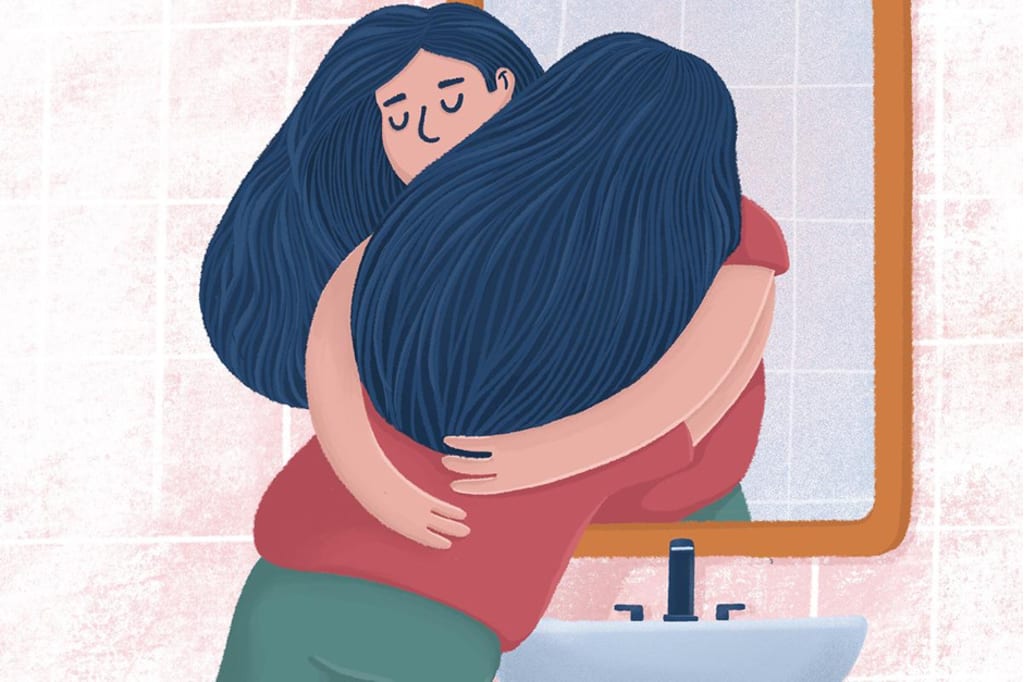
In today's fast-paced and demanding world, it's easy to be hard on ourselves. We often criticize ourselves for our flaws, mistakes, and perceived inadequacies. However, cultivating self-compassion can be a powerful tool for enhancing our well-being. By embracing kindness and acceptance towards ourselves, we can experience greater happiness, resilience, and overall mental and emotional health. In this article, we will explore the concept of self-compassion, its benefits, and practical ways to cultivate self-compassion in our daily lives.
1.Understanding Self-Compassion:
Self-compassion is the practice of treating oneself with kindness, care, and understanding, especially in moments of difficulty or suffering. It involves extending the same compassion we would offer to a loved one towards ourselves. Unlike self-esteem, which relies on external validation, self-compassion is based on self-acceptance and acknowledging our common humanity.
2.The Benefits of Self-Compassion:
a. Emotional Well-being: Self-compassion reduces self-criticism and promotes emotional resilience. It helps us navigate through challenging emotions, such as shame, guilt, and anxiety, with greater ease and self-acceptance.
b. Mental Health: Studies have shown that self-compassion is associated with lower levels of depression, anxiety, and stress. It fosters a more positive and nurturing inner dialogue, leading to improved mental well-being.
c. Self-Confidence: By embracing self-compassion, we develop a sense of inner security and self-worth. This boosts our self-confidence and allows us to pursue our goals and aspirations with greater motivation and resilience.
d. Healthy Relationships: When we cultivate self-compassion, we become more compassionate towards others as well. This deepens our connections, fosters empathy, and promotes healthier and more fulfilling relationships.
3.Cultivating Self-Compassion:
a. Mindfulness: Mindfulness is a key component of self-compassion. By being present and non-judgmental, we can observe our thoughts and emotions with kindness and without getting carried away by self-critical narratives.
b. Self-Kindness: Treat yourself with kindness and understanding, just as you would a close friend. Practice self-care activities that nourish your mind, body, and soul, such as taking breaks, engaging in hobbies, or practicing self-care rituals.
c. Common Humanity: Recognize that suffering and imperfections are part of the human experience. Remind yourself that everyone makes mistakes and faces challenges. Embrace a sense of common humanity and know that you are not alone in your struggles.
d. Self-Compassionate Language: Pay attention to your inner dialogue and replace self-criticism with self-compassionate language. Use words of encouragement, support, and understanding when talking to yourself.
4.Integrating Self-Compassion into Daily Life:
a. Self-Compassion Breaks: Take moments throughout the day to pause, acknowledge any difficulties or stressors you may be experiencing, and offer yourself words of kindness and reassurance.
b. Gratitude Practice: Cultivate gratitude for yourself by acknowledging your strengths, accomplishments, and positive qualities. Focus on what you appreciate about yourself and express gratitude for it.
c. Self-Compassion Journaling: Maintain a journal where you write down moments of self-compassion, challenges you faced with self-compassion, and insights gained from practicing self-compassion. This can serve as a reminder and source of inspiration on your self-compassion journey.
Self-compassion is not a luxury but a necessity for our overall well-being. By embracing kindness, acceptance, and understanding towards ourselves, we can experience greater emotional resilience, mental health, self-confidence, and healthier relationships. Through mindfulness, self-kindness, recognizing our common humanity, and incorporating self-compassion practices into our daily lives, we can cultivate a deep sense of self-compassion that positively impacts our well-being. Let us embark on this journey of self-compassion, fostering a kinder and more accepting relationship with ourselves.
About the Creator
The Angry Man in Your House
"If you grow up with an angry man in your house, there will always be an angry man in your house" This statement has caused plenty of controversy online, people say its a statement that blames victims while also undermining those who break traumatic cycles to form health relationships... but if I'm honest now that I'm in my 30s it makes more sense to me than ever, and I'd argue that its not just about fathers and uncles.
By S. A. Crawford4 days ago in Humans




Comments