
Science behind expired food!
Food expiration dates don’t mean what you think

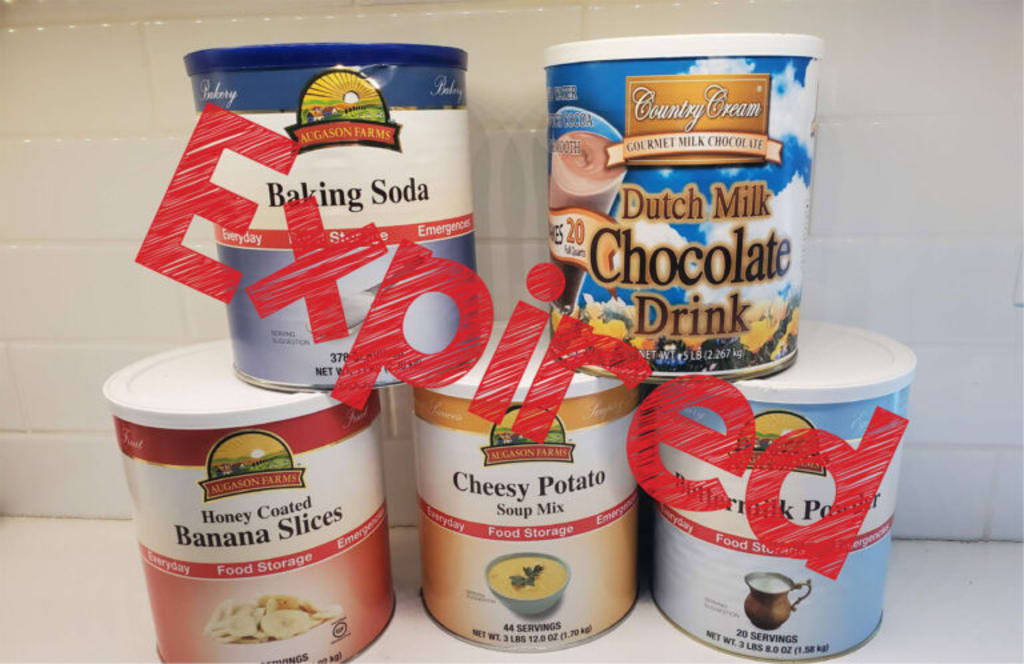
Before it reaches the table, how much of the food in your refrigerator will you throw out?
Burger buns from the picnic last summer? Is milk past its expiration date?
Did the carrots lose their crunch?
The United States is one of the worst countries in the world for food waste, with massive volumes of food wasted annually.
Individual homes are responsible for 37% of food waste in the US. Additionally, about 20% of those food products are thrown out because buyers are unsure of how to read the dates on the labels.
However, the majority of those items are still completely safe to consume. What do the dates on our food tell us, then, if they don't indicate that anything has gone bad?
Food production and consumption had a far more direct relationship prior to the 20th century, and most people were able to judge freshness by sight, smell, and touch. However, it became more difficult to determine the age of products when supermarkets started carrying processed goods.
Grocers in the US tracked the length of time food had been on the shelf using package codes, and customers wanted access to this information in the 1970s. Numerous supermarkets implemented the open dating system, which is still in use today, in which food producers or merchants marked items with dates that indicated their peak freshness. Food safety and expiration dates had nothing to do with this ambiguous measure.
In reality, there are typically no guidelines for the usage of dates, and decisions are rarely made with any scientific support. In order to guarantee that customers will sample their product at its peak and return for more, the majority of manufacturers and merchants are encouraged to set these dates early. This indicates that a large number of goods are safe to consume much past the dates on their labels. Pasta, pastries, and other shelf-stable foods may taste stale, but they pose no health hazards. As long as there are no bulging or rusting symptoms, canned goods can remain safe for years.
Food poisoning-causing germs are kept at bay by low freezer temperatures, which prolongs the shelf life of properly maintained frozen meals. Eggs may be stored in the refrigerator for up to five weeks, and your nose will alert you if they start to go bad. Additionally, mildew, slimy surfaces, and strange smells are always signs of ruined fruit. Of course, you're better safe than sorry in some situations. Meat should be consumed or frozen within a few days of purchase, according to USDA guidelines. In addition to their expiration dates, deli meats, unpasteurized cheeses, and ready-to-eat salads are more likely to contain harmful germs that might evade detection by a taste or smell test. Additionally, baby formula dates are monitored to show safety. However, the great majority of these labels don't function as intended, albeit some do.
Nearly 60% of respondents to a 2019 study of more than 1,000 Americans stated they would throw out any food that was past its expiration dates, and over 70% indicated they use date labels to determine if food is still edible.
Grocers and restaurants frequently follow suit. Many experts support legislation requiring date labels to adopt one of two standardized phrases in order to prevent all this waste:
"Use by" denotes safety, or "Best if used by" denotes freshness.
Some US academics estimate that establishing these regulations at the federal level might reduce around 398,000 tons of food waste a year, although this is not a perfect solution.
As several UK retail chains have done to urge customers to use their own discretion, grocery stores may likewise consider removing the date labels off goods. Policies that encourage restaurants and grocery stores to give unsold food are also supported by a number of experts.
At least 20 US states now prohibit food donations after the indicated date due to date confusion, despite the fact that the federal government officially safeguards such gifts. In nations like France, the requirement that many stores give unsold food is considerably more stringent. Eating what you buy is the greatest method to avoid food waste, regardless of what your government chooses! Remember that you can typically tell if food is suitable for ingestion or the compost bin with just your sight, nose, and tongue.
Before it reaches the table, how much of the food in your refrigerator will you throw out?
Burger buns from the picnic last summer?
Is milk past its expiration date?
Did the carrots lose their crunch?
The United States is one of the worst countries in the world for food waste, with massive volumes of food wasted annually. Individual homes are responsible for 37% of food waste in the US. Additionally, about 20% of those food products are thrown out because buyers are unsure of how to read the dates on the labels. However, the majority of those items are still completely safe to consume. What do the dates on our food tell us, then, if they don't indicate that anything has gone bad?
Prior to the 20th century, most people were able to determine the freshness of food by sight, smell, and touch, and the route from the point of production to the point of consumption was far more straightforward.
However, it became more difficult to determine the age of products when supermarkets started carrying processed goods. In the 1970s, customers requested to know how long food had been on the shelves in the US, where merchants tracked this information using package codes. Numerous supermarkets implemented the open dating system, which is still in use today, in which food producers or merchants marked items with dates that indicated their peak freshness. Food safety and expiration dates had nothing to do with this ambiguous measure.
In actuality, there are typically no guidelines for the usage of dates, and decisions are rarely made with any scientific support. In order to guarantee that customers will sample their product at its peak and return for more, the majority of manufacturers and merchants are encouraged to set these dates early. This indicates that a large number of goods are safe to consume much past the dates on their labels. Although they may taste stale, old spaghetti, cookies, and other shelf-stable foods don't pose a health concern.
As long as there are no bulging or rusting symptoms, canned goods can remain safe for years.
Food poisoning-causing germs are kept at bay by low freezer temperatures, which prolongs the shelf life of properly maintained frozen meals. You can keep eggs in the refrigerator for up to five weeks, and your nose will alert you if they start to go bad. Additionally, mildew, slimy surfaces, and strange smells are always signs of ruined fruit. Of course, you're better safe than sorry in some situations. Meat should be consumed or frozen within a few days of purchase, according to USDA guidelines.
In addition to their expiration dates, deli meats, unpasteurized cheeses, and ready-to-eat salads are more likely to contain harmful germs that might evade detection by taste or smell tests. Additionally, baby formula dates are monitored to show safety.
However, the great majority of these labels don't function as intended, albeit some do. Nearly 60% of respondents to a 2019 study of more than 1,000 Americans stated they would throw out any food that was past its expiration dates, and over 70% indicated they use date labels to determine if food is still edible.
Grocers and restaurants frequently follow suit.
Many experts support legislation requiring date labels to adopt one of two standardized phrases in order to prevent all this waste:
"Use by" denotes safety, or "Best if used by" denotes freshness.
Some US academics estimate that establishing these regulations at the federal level might reduce around 398,000 tons of food waste a year, although this is not a perfect solution.
As several UK retail chains have done to urge customers to use their own discretion, grocery stores may likewise consider removing the date labels off goods. Policies that encourage restaurants and grocery stores to give unsold food are also supported by a number of experts.
At least 20 US states now prohibit food donations after the indicated date due to date confusion, despite the fact that the federal government officially safeguards such gifts. In nations like France, the requirement that many stores give unsold food is considerably more stringent. Eating what you buy is the greatest method to reduce food waste, regardless of what your government says! Additionally, you can typically determine if food is suitable for ingestion or the compost bin with just your sight, nose, and tongue.
About the Creator
Keep reading
More stories from Writing Palette and writers in Humans and other communities.
What causes dandruff?
Malassezia has all it could possibly require in this bountiful woodland. It's in heaven, always feasting. But hold on, what is this? Actually, one kind of yeast that lives and feeds is called Malassezia on each and every one of us. Additionally, dandruff is a result of its activity in almost half of the human population.
By Writing Paletteabout a year ago in Humans
Time to change your life.
Is it even possible for you to change your life? A lot of people, more than there should be, are unhappy with their lives. But what are they doing about it? Usually nothing. People talk about how shitty their lives are and want change, but are they not taking the actions to change?
By Jen Phillips5 days ago in Humans
How Unresolved Relationship Conflicts Damage Mental Health Over Time Severely
Unresolved relationship conflict is where the disagreements, emotional injuries or unmet needs are either not addressed constructively or they the relationship conflict is ignored, avoided or constantly put off. These matters that have not been resolved do not fade away but they only remain submerged and affect feelings and relations. In the long-term, the presence of unresolved conflict causes emotional tension which interferes with the level of trust, communication, and intimacy. What might have started as minor conflicts might slowly build up to consistent emotional tension.
By Mark Hipster2 days ago in Humans



Comments
There are no comments for this story
Be the first to respond and start the conversation.