
Ryan Hurst and the Weight of Quiet Strength in Storytelling
Some actors fill the screen with noise. Others arrive softly and stay with you long after the scene ends.

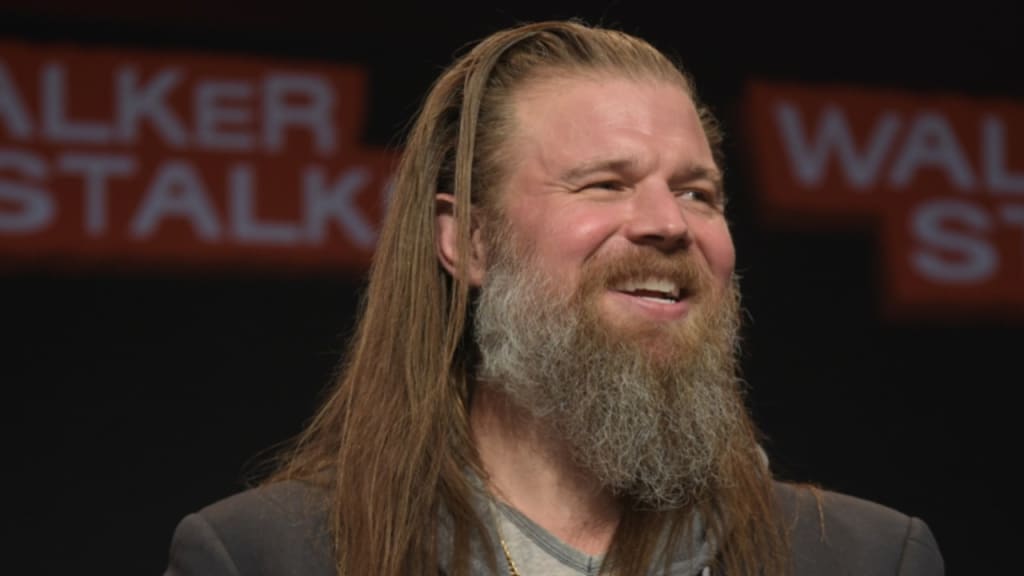
Some actors fill the screen with noise. Others arrive softly and stay with you long after the scene ends. Ryan Hurst belongs to the second kind. There is something steady about his presence, something that feels lived in rather than performed. When he appears on screen, he carries a sense of history, as if the character existed long before the camera found him. This article explores why Ryan Hurst continues to resonate with audiences who crave depth over spectacle. His career is not about chasing attention. It is about holding space for complex emotions, moral conflict, and quiet pain. By looking closely at his roles, his choices, and the themes he often embodies, we begin to understand why his work feels so personal to so many viewers.
Who Is Ryan Hurst Beyond the Spotlight
Ryan Hurst is often recognized instantly, yet rarely explained fully. His physical presence is striking, but it is not what defines him as an actor. What stands out instead is restraint. He does not rush emotions. He allows silence to breathe. Many actors rely on sharp dialogue or dramatic gestures. Hurst often does the opposite.
He grew up around storytelling. His mother worked in acting and casting, which exposed him early to the reality of the craft. That background did not push him toward fame. It grounded him in the process. From the beginning, he seemed more interested in character than celebrity.
This grounding shows in how he approaches roles. He does not play characters to be liked. He plays them to be understood.
The Power of Stillness in His Performances
One of Ryan Hurst’s greatest strengths is his use of stillness. In a medium that often rewards constant motion, he dares to pause. His characters think before they speak. They carry emotion in their posture, their eyes, their silence.
Stillness creates tension. It asks the viewer to lean in. When Hurst holds a moment, it never feels empty. It feels full of things left unsaid. This approach works especially well in stories about inner conflict or moral struggle.
For example, when his characters face loss or guilt, he does not rush to release those feelings. He lets them sit. This makes the emotion feel real rather than staged. Many viewers recognize this kind of pain because it mirrors real life.
Sons of Anarchy and the Weight of Loyalty
For many people, Ryan Hurst is inseparable from Sons of Anarchy. His portrayal of Opie Winston became one of the most emotionally charged arcs in the series. Opie was not loud or flashy. He was loyal, conflicted, and deeply wounded.
What made Opie memorable was not his actions alone. It was the way Hurst showed the cost of those actions. Loyalty in the show often came with loss, and Opie carried that loss in every scene. His grief felt heavy, not dramatic.
Hurst portrayed Opie as a man trapped between duty and self-respect. That tension never resolved easily. Viewers could see the exhaustion in his body, the quiet anger behind his eyes. This made Opie feel less like a fictional outlaw and more like a real person paying the price for his choices.
Masculinity Without Performance
Ryan Hurst often plays masculine characters, but he does not perform masculinity in the usual way. There is no obsession with dominance or control. Instead, his characters often struggle with vulnerability, shame, and moral confusion.
This approach challenges traditional ideas of strength. Strength, in his work, is not about winning. It is about enduring. His characters are allowed to feel broken. They are allowed to fail.
This portrayal matters. Many viewers, especially men, rarely see this kind of emotional honesty reflected on screen. Hurst’s performances suggest that strength can exist alongside softness, doubt, and regret.
Remember the Titans and Early Emotional Depth
Long before his later, darker roles, Ryan Hurst appeared in Remember the Titans. Even in that early performance, there were signs of the actor he would become. He played a character shaped by social pressure and internal conflict.
What stood out was not aggression but uncertainty. His character struggled with change, identity, and belonging. Hurst did not simplify these struggles. He showed how fear and loyalty can clash inside a person.
This role offered an early example of his ability to humanize difficult characters. Instead of reducing them to symbols, he treated them as people shaped by their environment. That sensitivity would become a pattern in his career.
The Walking Dead and the Cost of Survival
In The Walking Dead, Ryan Hurst played Beta, a character defined by brutality and control. On the surface, this role seemed far removed from his quieter performances. Yet even here, he found emotional depth.
Beta was terrifying, but not empty. Hurst infused him with a sense of loss and obsession. His violence felt driven by something broken inside rather than pure cruelty. This made the character more disturbing and more believable.
By grounding Beta in emotional truth, Hurst avoided turning him into a cartoon villain. Viewers could sense that this character was shaped by grief and identity collapse. Even in a world filled with chaos, Hurst kept the focus on human pain.
Why His Characters Linger in Memory
Many actors deliver memorable scenes. Fewer create characters that stay with you for years. Ryan Hurst belongs to the latter group. His characters linger because they feel unfinished, like real people whose stories continue beyond the screen.
This effect comes from his refusal to simplify emotion. He does not resolve pain neatly. He allows contradictions to exist. A character can be kind and violent, loyal and selfish, strong and fragile.
These contradictions mirror real human experience. Viewers recognize themselves in that complexity. Even when they disagree with his characters’ choices, they understand them.
Choosing Roles With Emotional Risk
Ryan Hurst does not appear in everything. His career shows careful selection rather than constant visibility. This selectiveness allows him to invest deeply in each role.
He often chooses characters who face emotional risk. These roles demand vulnerability and patience. They require the actor to sit with discomfort rather than escape it.
This choice may limit mainstream exposure, but it strengthens artistic integrity. Hurst’s work feels intentional. Each role adds to a larger conversation about identity, pain, and resilience.
Physical Presence as Emotional Language
Hurst’s physical build often leads people to expect aggression. He uses that expectation to his advantage. Instead of relying on size alone, he turns his body into emotional language.
A slumped posture can signal defeat. A slow walk can express dread. A still stance can suggest restraint barely holding back chaos. These choices make his performances layered.
By using physicality with care, he avoids stereotypes. His characters feel embodied rather than performed. The body becomes part of the story, not just a visual detail.
Voice Acting and Subtle Expression
Beyond live-action roles, Ryan Hurst has also contributed to voice acting. This medium strips away physical presence, leaving only voice and timing. His success here reveals another layer of his skill.
He uses tone and pacing to convey emotion. Silence still matters, even without a visible pause. His voice carries weight, suggesting history and intention behind each line.
This ability shows that his talent is not tied to appearance. It lies in emotional understanding and control. Whether seen or heard, his characters feel grounded.
The Theme of Loss in His Work
Loss appears again and again in Ryan Hurst’s roles. Sometimes it is personal loss. Other times it is loss of identity, purpose, or belonging. He treats loss not as a single moment but as a lasting condition.
His characters do not simply grieve and move on. They carry loss into their decisions, relationships, and sense of self. This long view of grief feels honest.
Many viewers connect deeply with this portrayal. Loss rarely ends cleanly in real life. It changes people quietly and permanently. Hurst understands this and lets it shape his performances.
Why Ryan Hurst Appeals to Thoughtful Audiences
Ryan Hurst does not chase attention. His work rewards patience and emotional awareness. Viewers who value introspection often find his performances especially meaningful.
He trusts the audience to notice small details. A glance held too long. A pause before speaking. A choice that feels heavy rather than dramatic. These moments invite reflection.
This style may not appeal to everyone. It is not designed for quick consumption. But for those who engage with it, the experience feels personal and lasting.
A Career Built on Trust
Trust is central to Ryan Hurst’s relationship with his audience. Viewers trust that he will take characters seriously. They trust that emotion will not be cheapened or rushed.
This trust builds over time. Each role reinforces the sense that he respects the story and the people watching it. That respect creates loyalty.
When audiences see his name attached to a project, they expect depth. They expect honesty. That expectation is rare and valuable.
The Absence of Irony
Many modern performances rely on irony or self-awareness. Ryan Hurst avoids this. His characters take their worlds seriously, even when those worlds are violent or surreal.
This sincerity makes his work feel grounded. There is no sense of distance or mockery. The emotion is direct, not filtered through humor or detachment.
This approach can feel risky, but it pays off. Sincerity invites empathy. It allows viewers to engage without defensiveness.
Aging, Time, and Emotional Weight
As Ryan Hurst’s career progresses, time becomes part of his performances. His characters often feel shaped by years of experience, regret, and endurance.
He does not hide age or wear. He uses it. Lines on the face, slower movements, heavier silences all become tools for storytelling.
This honesty about time adds depth. It suggests that stories do not belong only to youth. They belong to anyone who has lived, lost, and continued.
Ryan Hurst as a Character Actor in the Best Sense
The term character actor is sometimes misunderstood. It does not mean limited or secondary. In Ryan Hurst’s case, it means commitment to character above image.
He disappears into roles without demanding attention. The focus remains on the story. This humility strengthens the work.
Character actors often shape the emotional core of a story. Hurst does this consistently. Even when not at the center, his presence anchors the narrative.
Emotional Honesty Without Sentimentality
Ryan Hurst’s work is emotional, but never sentimental. He does not push the audience to feel. He allows feeling to emerge naturally.
This restraint prevents manipulation. Tears, anger, and grief are earned rather than forced. This makes the experience more powerful.
Viewers sense when emotion is genuine. Hurst respects that intelligence. He trusts the story to do its work.
The Legacy He Is Building Quietly
Ryan Hurst may never dominate headlines, but his legacy is already clear. He represents a kind of acting rooted in patience, empathy, and seriousness of purpose.
His body of work forms a consistent emotional language. Themes of loyalty, loss, identity, and endurance appear again and again. Together, they tell a larger story about being human.
This legacy grows quietly. It does not rely on hype. It relies on trust, depth, and emotional truth.
Conclusion: Why Ryan Hurst Matters
Ryan Hurst matters because he reminds us what acting can be when it slows down and listens. His performances honor complexity. They make space for silence, pain, and contradiction.
In a world that often rewards noise, his work feels like a pause. A moment to reflect. A reminder that strength does not always shout.
For viewers seeking stories that feel real, heavy, and honest, Ryan Hurst continues to offer something rare. Not escape, but recognition. Not spectacle, but truth.
About the Creator
Muqadas khan
Hi! Welcome to my Vocal page. I’ll be sharing fresh articles every day covering stories, ideas, and a bit of inspiration to brighten your feed. Thanks for reading and supporting daily writing! 📖💫
Keep reading
More stories from Muqadas khan and writers in Humans and other communities.
Charleston White and the Cost of Being Loud in a Tired Culture
Some names spark instant reaction, and Charleston White is one of them. Say his name and people feel something right away. Anger, curiosity, discomfort, or agreement. Rarely indifference. In an internet culture driven by attention, Charleston White stands out not because he whispers, but because he refuses to soften his voice. He speaks in ways that feel raw, offensive to some, and honest to others. His rise has not followed a traditional path. There is no clean image or careful messaging. Instead, there is confrontation, contradiction, and controversy. To understand why Charleston White matters right now, we have to look beyond viral clips and outrage. His story says something deeper about pain, accountability, and a society unsure how to handle uncomfortable truth.
By Muqadas khan5 days ago in Humans
Autonomy Is The Real Privilege
Good morning, freedom-seekers! Today we’re gonna be looking at autonomy. A strange word, I know; one many would probably look at blankly and run away from on sight. We’re gonna figure out what it actually means, consider how it’s achieved, and decipher just how deeply most of us are tangled up in dependence without realising it.
By That ‘Freedom’ Guyabout 5 hours ago in Humans
The Longest Night: The Construction Worker, The Ledge, and the Nine-Hour Vigil
The true story of Michael O'Rourke, a construction worker who spent nine hours on a Brooklyn rooftop talking a suicidal woman down from a ledge, proving the power of simple human presence.
By Frank Massey a day ago in Humans



Comments
There are no comments for this story
Be the first to respond and start the conversation.