
Charleston White and the Cost of Being Loud in a Tired Culture
Some names spark instant reaction, and Charleston White is one of them.

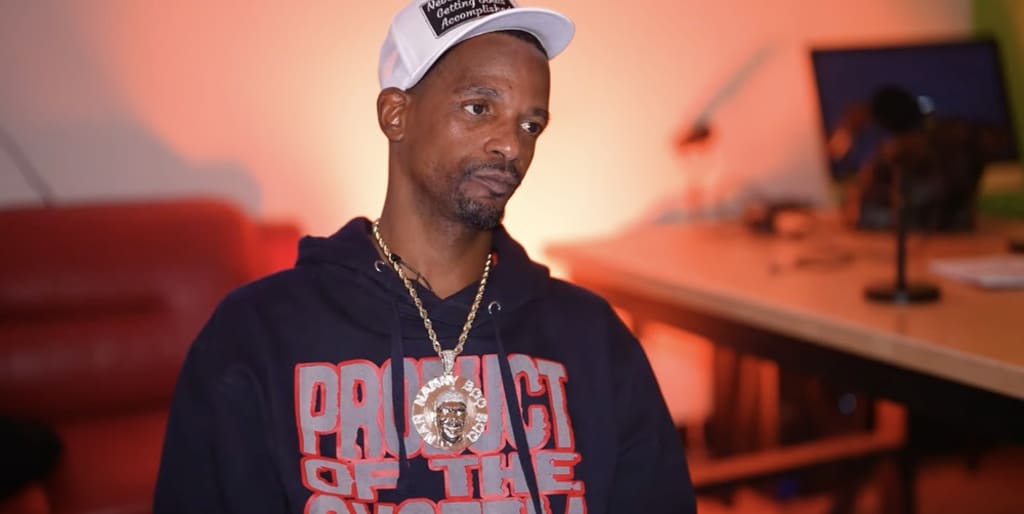
Some names spark instant reaction, and Charleston White is one of them. Say his name and people feel something right away. Anger, curiosity, discomfort, or agreement. Rarely indifference. In an internet culture driven by attention, Charleston White stands out not because he whispers, but because he refuses to soften his voice. He speaks in ways that feel raw, offensive to some, and honest to others. His rise has not followed a traditional path. There is no clean image or careful messaging. Instead, there is confrontation, contradiction, and controversy. To understand why Charleston White matters right now, we have to look beyond viral clips and outrage. His story says something deeper about pain, accountability, and a society unsure how to handle uncomfortable truth.
Who Is Charleston White
Early Life and Background
Charleston White grew up in Texas, surrounded by violence, instability, and limited opportunity. His early years were shaped by crime and consequences. As a teenager, he was involved in a serious incident that led to time in the juvenile justice system.
That experience changed the direction of his life. It exposed him to the reality of incarceration and the cycle many young people never escape. For Charleston White, prison was not just punishment. It became a turning point.
Life After Incarceration
After release, Charleston White focused on staying out of trouble. He worked with youth programs and community initiatives aimed at crime prevention. This part of his life often gets overshadowed by his online presence.
Before viral fame, he spoke in classrooms and community spaces. His message was blunt even then. He warned young people about the real cost of street life, using his own mistakes as proof.
How Charleston White Became an Internet Figure
The Rise Through Social Media
Charleston White gained attention through podcasts, interviews, and social media videos. His delivery was aggressive, emotional, and unpredictable. Clips spread fast because they provoked strong reactions.
He did not try to be liked. In fact, he often seemed to welcome being disliked. That attitude made his content stand out in a space full of careful branding.
Controversy as Visibility
Much of Charleston White’s visibility comes from controversy. He insults popular figures. He criticizes street culture openly. He says things many consider crossing the line.
For some, this makes him dangerous. For others, it makes him necessary.
Why Charleston White Divides People So Strongly
His Language and Tone
Charleston White uses harsh language. He shouts. He mocks. He offends. There is little filter between thought and speech.
Many people struggle to listen past the delivery. They hear disrespect and stop there. Others argue that tone should not erase substance.
This tension defines nearly every conversation about him.
Challenging Sacred Ideas
Charleston White openly criticizes street loyalty, gang culture, and the idea that silence equals honor. He questions why communities protect harmful behavior in the name of code.
These ideas challenge deeply held beliefs. When those beliefs feel attacked, anger follows.
The Message Beneath the Noise
Accountability Over Excuses
At the core of Charleston White’s message is accountability. He believes people must take responsibility for their actions, regardless of background.
He rejects the idea that hardship justifies harm. This stance makes many uncomfortable, especially when it comes from someone who lived that life.
Speaking From Experience
Charleston White does not speak as an outsider. He speaks as someone who lived the consequences he warns about.
That lived experience gives weight to his words, even when the delivery is abrasive.
Criticism and Backlash
Accusations of Harm
Critics argue that Charleston White promotes division. They say his words put people at risk. Some believe his commentary fuels violence rather than preventing it.
These concerns are not without reason. Words carry power, especially when amplified online.
The Line Between Truth and Provocation
Many ask whether Charleston White crosses the line intentionally for attention. They question his motives.
Is he trying to help, or is he feeding off outrage.
The answer may be uncomfortable. It may be both.
Supporters and Why They Listen
Hearing What Others Won’t Say
Supporters argue that Charleston White says what others are afraid to. He speaks openly about issues often avoided in public discussions.
They believe discomfort is necessary for change.
Representation of Unfiltered Reality
For some listeners, Charleston White represents unpolished reality. He does not sanitize pain or pretend solutions are easy.
That honesty resonates with people tired of surface-level conversations.
Charleston White and Street Culture
Breaking the Code of Silence
One of the most controversial aspects of Charleston White’s platform is his rejection of street silence. He openly encourages cooperation with law enforcement in cases involving violence.
This stance goes against deeply ingrained cultural rules. For many, it is unforgivable.
Why This Stance Exists
Charleston White argues that silence protects the wrong people. He believes communities suffer when accountability is avoided.
This belief challenges long-standing narratives about loyalty and respect.
The Role of Trauma in His Voice
Anger as Expression
Charleston White’s anger is often visible. It pours through his words.
Some see this as weakness. Others see it as unresolved trauma speaking loudly.
Trauma Does Not Speak Softly
People shaped by violence rarely speak gently about it. Pain does not always come out clean.
Understanding this does not excuse harm, but it adds context.
Internet Culture and Amplification
Algorithms Reward Extremes
Social media platforms reward content that triggers emotion. Calm discussions rarely go viral.
Charleston White’s style fits perfectly into this system.
This raises questions about how much of his presence is organic and how much is shaped by digital incentives.
The Cost of Constant Exposure
Being constantly visible comes with pressure. It pushes creators to escalate.
For Charleston White, escalation seems almost expected.
The Blurred Line Between Persona and Person
Is He Always This Way
Some wonder if Charleston White plays a character online. Others believe this is simply who he is.
The truth may be somewhere in between.
Online spaces often exaggerate traits that already exist.
Living Inside the Image
When an image becomes profitable, it becomes hard to escape.
That trap affects many public figures, especially controversial ones.
Charleston White and Masculinity
Redefining Strength
Charleston White often challenges traditional ideas of masculinity. He criticizes emotional suppression and reckless bravado.
At the same time, his aggressive tone complicates this message.
Conflict Within the Message
There is tension between what he says and how he says it.
This contradiction fuels debate.
Youth and Influence
Impact on Young Audiences
Young people watch Charleston White closely. Some find guidance. Others may absorb the aggression without the context.
This raises responsibility questions.
Influence is not just about intent. It is about effect.
Conversations Adults Avoid
Many adults avoid honest conversations with youth about crime and consequences.
Charleston White fills that gap, for better or worse.
Media Appearances and Public Clashes
Public Arguments
Charleston White has clashed publicly with rappers, influencers, and activists. These moments draw attention quickly.
They also reduce complex issues into viral confrontations.
Entertainment Versus Education
As media appearances increase, education can get lost.
This balance remains a challenge.
Legal and Safety Concerns
Real-World Consequences
Words spoken online can have real consequences offline. Threats and legal issues have followed Charleston White.
This reality highlights the danger of constant provocation.
Walking a Narrow Path
Speaking boldly in public spaces carries risk. Charleston White walks that path daily.
Cultural Reflection
Why He Exists Now
Charleston White could only rise in this moment. A time of frustration, distrust, and digital noise.
He reflects a culture tired of politeness but unsure how to handle honesty.
A Mirror, Not a Solution
He is not a solution to systemic problems. He is a mirror showing what hurts.
Mirrors are uncomfortable.
The Question of Responsibility
Does Truth Require Care
One of the biggest questions surrounding Charleston White is whether truth must be delivered with care.
Some believe truth matters more than feelings.
Others believe delivery determines whether truth heals or harms.
The Weight of a Platform
With reach comes responsibility. That responsibility is debated constantly in his case.
Can Change Come From Confrontation
History of Disruptive Voices
Many change-makers were once labeled dangerous or offensive.
Disruption often comes before understanding.
The Risk of Being Dismissed
However, constant confrontation can lead to dismissal.
When people stop listening, even important messages are lost.
What Charleston White Gets Right
Honesty About Consequences
He speaks clearly about the cost of crime. Prison. Death. Loss.
These truths are often softened elsewhere.
Refusal to Romanticize Violence
Charleston White does not romanticize street life. He describes it as destructive.
This clarity matters.
What He Gets Wrong
Collateral Damage
His words sometimes harm people who are not the problem.
Insults and generalizations can alienate those open to dialogue.
Missed Opportunities for Dialogue
Anger can close doors that honesty could open.
That loss matters.
The Future of Charleston White
Sustainability of the Approach
It is unclear whether his current approach can last.
Audiences change. Tolerance shifts.
Possibility of Evolution
Public figures often evolve. Whether Charleston White will is unknown.
Growth does not mean silence. It means direction.
Why People Keep Watching
Conflict Is Magnetic
Humans are drawn to conflict. Charleston White provides it constantly.
This does not mean people agree. It means they are engaged.
Searching for Meaning in Chaos
Many viewers are searching for truth in a confusing world.
Even flawed voices can feel honest.
The Broader Conversation He Forces
Crime, Culture, and Accountability
Charleston White forces discussions many avoid.
These conversations matter, even when messy.
Comfort Versus Progress
Comfort rarely leads to progress.
Discomfort does not guarantee it either.
Conclusion
Charleston White is not easy to understand or accept. He is loud, angry, and often offensive. He is also a product of real pain and real experience. His presence forces a question society keeps avoiding. Do we want honesty, or do we only want it when it feels good. Charleston White exists at the uncomfortable edge of that question. He is not a hero, nor simply a villain. He is a reminder that unresolved trauma, ignored accountability, and digital attention create volatile voices. Whether people choose to listen, reject, or argue with him, his rise says more about the culture watching than the man speaking.
About the Creator
Muqadas khan
Hi! Welcome to my Vocal page. I’ll be sharing fresh articles every day covering stories, ideas, and a bit of inspiration to brighten your feed. Thanks for reading and supporting daily writing! 📖💫
Keep reading
More stories from Muqadas khan and writers in Humans and other communities.
Verizon Outage: When Silence Replaces the Signal We Trust
The moment your phone stops working, the world feels smaller. Messages do not send. Calls fail. Maps freeze. For many people, a Verizon outage is not just a technical issue. It is a sudden break in daily life. Parents worry they cannot reach their children. Workers panic about missed meetings. Travelers feel stranded, even in familiar places. We trust our phones to be there without thinking about it, until one quiet screen reminds us how fragile that trust is. This article explores what a Verizon outage really means, why it happens, how it affects real people, and what you can do when the signal disappears. Not with hype or panic, but with clarity, calm, and honesty.
By Muqadas khan4 days ago in Humans
You Don’t Miss Them, You Miss Who You Were With Them
I used to think I missed them. That the tight feeling in my chest, the sudden wave of nostalgia, the random memories that showed up uninvited were all proof that I still wanted them back. I thought longing meant love, and sadness meant unfinished business.
By HazelnutLatteaa day ago in Humans




Comments
There are no comments for this story
Be the first to respond and start the conversation.