
Reconstructing the Past: The Phenomenon of Cryptomnesia Explored
Exploring the Mysterious Mirage of Unconscious Idea Replication

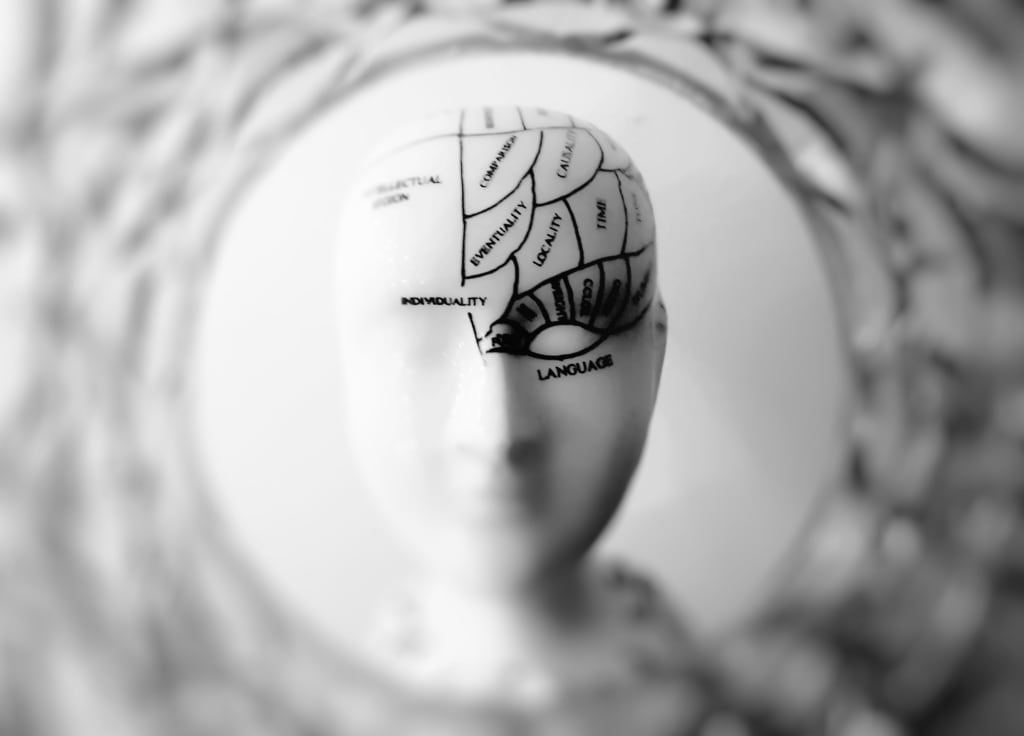
Introduction to Cryptomnesia
Cryptomnesia is a fascinating phenomenon that often goes unnoticed but can have a profound impact on our lives. Derived from the Greek words "crypto" meaning hidden, and "mnesia" referring to memory, cryptomnesia occurs when a person believes they have come up with a new idea or creation, only to later discover that it had already been conceived by someone else. In this article, we will explore the concept of cryptomnesia, delve into its psychological underpinnings, examine famous cases of cryptomnesia in history, and discuss its effects on creative industries and intellectual property.
Understanding the Concept of Cryptomnesia
Cryptomnesia can be best described as a memory bias where a person mistakenly attributes a thought or idea to their own originality, despite it being a product of their subconscious recollection of something they have previously encountered. This phenomenon is often attributed to the complex workings of the human mind, where memories can become fragmented and indistinct over time. When these memories resurface, they may be mistaken as novel ideas, leading to a sense of personal ownership over them.
The Psychology Behind Cryptomnesia
To comprehend cryptomnesia, it is crucial to delve into the psychology that underlies this intriguing phenomenon. Our minds are vast storehouses of information, constantly processing and assimilating new experiences. However, the way our memories are encoded and retrieved is not always precise. The brain tends to associate new information with pre-existing knowledge, creating an interconnected web of associations. In the case of cryptomnesia, this web can lead to the blending of past memories with the present, resulting in the misattribution of ideas.
Psychologists suggest that cryptomnesia is more likely to occur when the previously encountered information is not consciously recalled or recognized. This lack of conscious awareness allows the subconscious mind to integrate the old information seamlessly into new thoughts or creations. Furthermore, creative individuals who work in fields such as writing, music, or art may be more susceptible to cryptomnesia due to the constant exposure to a vast array of ideas and influences.
Famous Cases of Cryptomnesia in History
Throughout history, there have been several notable cases of cryptomnesia that have captured the attention of scholars and creatives alike. One such case involves the renowned composer George Harrison, who was sued for copyright infringement over his song "My Sweet Lord." It was alleged that Harrison had unknowingly incorporated the melody from the song "He's So Fine" by The Chiffons into his composition. Harrison defended himself by claiming that it was a case of cryptomnesia, where he had no conscious intention to plagiarize the original melody.
Another famous example of cryptomnesia is found in the literary world. The esteemed poet Samuel Taylor Coleridge wrote "Kubla Khan," a poem revered for its vivid imagery and surrealistic qualities. Coleridge claimed that the poem came to him in a dream, and he immediately began writing it upon waking. However, it was later discovered that some lines in the poem closely resembled a passage from a travelogue by Marco Polo. Coleridge's case serves as a testament to the inadvertent influence of past knowledge on creative output.
Cryptomnesia in Creative Industries
Cryptomnesia is an ever-present phenomenon in creative industries, where the generation of new ideas is paramount. Writers, musicians, artists, and inventors constantly draw inspiration from their surroundings and the works of others. While this cross-pollination of ideas is a natural part of the creative process, it also opens the door to cryptomnesia. The line between inspiration and unintentional replication can sometimes become blurred, leading to accusations of plagiarism or intellectual property infringement.
One way in which cryptomnesia manifests in creative industries is through the reproduction of previously created works without conscious intent. An artist may create a painting, for example, believing it to be an original creation, only to discover later that it bears a striking resemblance to an artwork they had seen in a gallery years ago. This unintentional duplication can be attributed to cryptomnesia, where the memory of the previous artwork resurfaces without conscious recognition.
The Impact of Cryptomnesia on Intellectual Property
The phenomenon of cryptomnesia poses significant challenges to the protection of intellectual property rights. When someone unknowingly reproduces or incorporates elements from a pre-existing work, it becomes difficult to discern whether it was a result of cryptomnesia or intentional plagiarism. This ambiguity can lead to legal disputes and disputes over ownership of ideas and creations.
To safeguard intellectual property and avoid potential legal repercussions, it is crucial for creative professionals to be vigilant in their creative process. Conducting thorough research, keeping meticulous records of sources, and maintaining transparency in acknowledging inspiration are essential steps in mitigating the risk of unintentional cryptomnesia.
How to Prevent Cryptomnesia
While cryptomnesia cannot be entirely eradicated, there are steps that can be taken to minimize its occurrence. The first and most crucial step is to cultivate self-awareness and mindfulness in the creative process. Being conscious of one's influences and actively striving for originality can help reduce the likelihood of inadvertently reproducing existing works.
Additionally, maintaining a repository of sources and references can serve as a valuable resource for creative professionals. By keeping track of the various works and ideas encountered, individuals can better identify instances of cryptomnesia and differentiate them from genuinely original creations.
Cryptomnesia vs Plagiarism: Key Differences
It is essential to distinguish between cryptomnesia and plagiarism, as both have distinct implications and consequences. Cryptomnesia is an unconscious process where a person mistakenly believes an idea to be original when it is, in fact, a product of their subconscious recollection. On the other hand, plagiarism involves intentionally passing off someone else's work as one's own, with the deliberate intent to deceive.
Plagiarism is a serious ethical and legal issue that can result in severe penalties, including damage to one's reputation and legal action. Cryptomnesia, however, is a more nuanced phenomenon that is often unintentional and lacks malicious intent. While the outcomes may be similar, it is crucial to recognize the underlying differences between the two and address them accordingly.
Overcoming Cryptomnesia as a Creative Professional
As a creative professional, overcoming cryptomnesia requires a conscious effort to promote originality and develop a personal creative voice. Engaging in practices that encourage critical thinking, such as brainstorming, idea mapping, and seeking diverse sources of inspiration, can help foster a creative environment that minimizes the influence of cryptomnesia.
Collaboration and seeking feedback from peers can also be beneficial in identifying instances of cryptomnesia. By inviting others to review and critique their work, creative professionals can gain fresh perspectives and insights, helping to uncover any unintentional similarities to existing works.
Conclusion: Raising Awareness and Promoting Originality
Cryptomnesia is a complex and intriguing phenomenon that challenges the notion of originality and creativity. While it can be difficult to prevent entirely, understanding the psychological underpinnings of cryptomnesia and taking proactive measures can help creative professionals navigate its potential pitfalls.
By raising awareness about cryptomnesia and promoting transparency in the creative process, we can foster a culture that values originality and respects intellectual property. As individuals, it is our responsibility to be mindful of our influences and strive for creative authenticity. Only then can we reconstruct the past without unintentionally replicating it.
CTA: If you found this article insightful, consider sharing it with your friends and colleagues. Together, let's raise awareness about cryptomnesia and promote originality in the creative industries.
About the Creator
R.M SYED
I am a BSc graduate specializing in Geography and Environment. I delve into Earth's complexities with passion.
Keep reading
More stories from writers in Humans and other communities.
Whiskey At Dusk
Guess the whiskey was more important to you in the end, wasn’t it? It was more than the well-being of your friends; more vital than showing up to the places you promised you would and could come to; more critical of a matter than fulfilling your damn responsibilities and getting the press off your back.
By Snarky Lisa3 days ago in Humans
Manifesting a 5D Relationship.
A 5D relationship begins within you. It reflects awareness, emotional responsibility, and aligned values. You do not chase this type of connection. You become the state that attracts it. Manifestation here focuses on inner alignment rather than external pursuit.
By Wilson Igbasi6 days ago in Humans
10 Times Rotten Tomatoes and I Disagreed
***Disclaimer*** I will be ranking these movies in the following manner: The greater the divide between Rotten Tomatoes and I, the higher up on the list (and I am referring to the critic's score, not the audience score). I will also show Rotten Tomatoes' score on each one in addition to my score. I am curious to know what everyone thinks, please let me know in the comments below!
By Madison "Maddy" Newton2 days ago in Geeks



Comments
There are no comments for this story
Be the first to respond and start the conversation.