
Recognizing Trust Issues: Signs You Shouldn’t Ignore
Learn to identify the signs of trust issues in relationships to foster healthier connections.

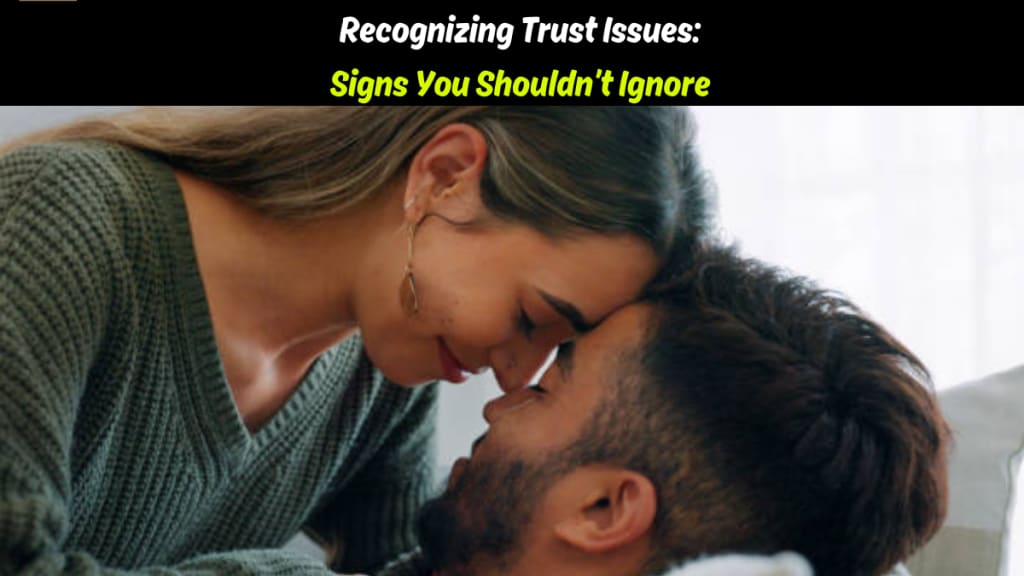
Trust is a cornerstone of any healthy relationship. When trust is compromised, it can lead to misunderstandings, resentment, and emotional distance. Recognizing trust issues early can help partners address problems before they escalate. In this article, we will explore the signs of trust issues that you should not ignore, why they occur, and how to address them effectively.
Understanding Trust Issues
What Are Trust Issues?
Trust issues refer to difficulties in believing in the reliability or integrity of a partner. These issues can stem from past experiences, such as betrayal or trauma, and often manifest as suspicion, anxiety, or fear in current relationships. Understanding the root of trust issues is essential for addressing them.
Why Do Trust Issues Occur?
Trust issues can arise from various factors, including past betrayals, childhood experiences, or personal insecurities. For example, someone who has been cheated on may struggle to trust new partners. Similarly, a person with a history of emotional neglect may find it hard to believe someone will be there for them.

Signs of Trust Issues
1. Constant Jealousy
Understanding Jealousy
Jealousy is a common sign of trust issues. If one partner frequently experiences jealousy without any real reason, it may indicate underlying insecurities. This behavior can manifest as questioning your partner's interactions with others or feeling threatened by their friendships.
How to Address It
To address jealousy, partners should engage in open discussions about feelings. Understanding the root cause can help alleviate undue suspicion and foster a more trusting atmosphere.
2. Frequent Checking In
Behavioral Patterns
If one partner constantly checks in on the other—through texts, calls, or social media—it may signal trust issues. This behavior often stems from anxiety about the partner’s fidelity or commitment, leading to a lack of personal freedom in the relationship.
Open Communication
To counteract this behavior, both partners need to communicate openly about their needs. Establishing boundaries around communication can help restore trust and reduce anxiety.

3. Avoidance of Vulnerability
Emotional Barriers
Trust issues often manifest as an avoidance of vulnerability. If one partner consistently holds back from sharing their thoughts or feelings, it may indicate fear of being hurt or rejected. This emotional distancing can hinder intimacy and connection.
Encouraging Openness
Encouraging an environment where both partners feel safe to express themselves is vital. Practicing empathy and understanding can help both individuals feel more comfortable being vulnerable.
4. Overreacting to Inconsequential Events
Emotional Responses
Frequent overreactions to minor issues, such as a partner's late return home or a missed call, can be a sign of trust issues. These reactions often stem from deep-seated insecurities and fears related to past experiences.
Addressing Overreactions
To address these overreactions, partners should practice patience and open dialogue. Discussing feelings calmly can help prevent misunderstandings and build trust.
5. Lack of Transparency
Secrecy in Relationships
A lack of transparency, such as hiding phone messages or being secretive about social interactions, is a significant red flag. When one partner is not forthcoming about their life, it can breed suspicion and insecurity.
Fostering Transparency
To foster transparency, both partners should commit to honesty and openness. Establishing a culture of trust can help alleviate concerns and build a stronger bond.

Strategies for Addressing Trust Issues
1. Open Dialogue
Importance of Communication
Effective communication is crucial in addressing trust issues. Both partners should feel free to express their feelings and concerns without fear of judgment. Using "I" statements can help convey emotions without placing blame.
Creating Safe Spaces
Establishing regular check-ins or "safe spaces" for discussions can help both partners communicate openly. This practice fosters understanding and helps address trust issues proactively.
2. Acknowledge the Past
Recognizing History
Acknowledging past experiences that contribute to trust issues is essential. Both partners should be willing to explore how their histories affect their current relationship. This understanding can foster empathy and healing.
Working Together
By recognizing shared challenges, couples can work together to build a stronger foundation of trust. This collaborative approach can help both partners feel validated and understood.

3. Set Boundaries
Establishing Guidelines
Setting clear boundaries is vital for rebuilding trust. Both partners should discuss what is acceptable behavior and what is not. This clarity can alleviate anxiety and help create a safe emotional environment.
Respecting Boundaries
It’s essential for both partners to respect each other’s boundaries. This respect reinforces trust and shows commitment to the relationship.
4. Seek Professional Help
When to Seek Therapy
If trust issues persist despite efforts to address them, seeking professional help may be necessary. A therapist can provide insights and tools to help couples navigate complex feelings and rebuild trust.
Benefits of Counseling
Counseling offers a safe space for both partners to express their feelings and learn effective communication strategies. It can help identify patterns that contribute to trust issues and promote healing.

5. Practice Forgiveness
The Role of Forgiveness
Forgiveness is a powerful tool for healing. Both partners must be willing to forgive past mistakes to move forward. This process requires patience and understanding but is crucial for rebuilding trust.
Creating a Forgiving Environment
Encouraging a forgiving atmosphere where both partners feel safe to make mistakes can strengthen the relationship. This practice fosters growth and a deeper connection.
Conclusion
Recognizing trust issues early is essential for maintaining a healthy relationship. Signs such as constant jealousy, frequent checking in, avoidance of vulnerability, overreacting to minor events, and lack of transparency should not be ignored. Addressing these issues through open dialogue, acknowledging the past, setting boundaries, seeking professional help, and practicing forgiveness can significantly improve the relationship.
Trust is not built overnight; it requires ongoing effort, understanding, and commitment from both partners. By working together to address trust issues, couples can foster a stronger, healthier bond. Ultimately, rebuilding trust is a journey that can lead to deeper emotional intimacy and a more fulfilling relationship.
FAQs
1- What are common signs of trust issues in a relationship?
Common signs include constant jealousy, frequent checking in, avoidance of vulnerability, overreacting to small issues, and lack of transparency. Recognizing these signs can help address underlying problems.
2- How can communication help with trust issues?
Open communication allows partners to express their feelings and concerns, fostering understanding. Using "I" statements can reduce defensiveness and promote constructive dialogue about trust.
3- Is it possible to rebuild trust after betrayal?
Yes, rebuilding trust after betrayal is possible but requires effort, patience, and commitment from both partners. Open dialogue, accountability, and establishing boundaries are crucial steps in the process.
4- When should we seek professional help for trust issues?
Consider seeking professional help if trust issues persist despite efforts to address them or if communication breaks down. A therapist can provide valuable insights and strategies for healing.
5- How important is forgiveness in rebuilding trust?
Forgiveness is essential for healing and rebuilding trust. Both partners must be willing to let go of past grievances to move forward and strengthen their emotional connection.
Short Note for Unsplash and Pexels
For high-quality images to enhance your article on recognizing trust issues, visit Unsplash and Pexels. Both platforms offer a variety of free images that can beautifully illustrate your content.
If you found this article helpful and want to enhance your relationships even further, explore more insightful articles on our site! Discover tips, strategies, and advice tailored to help you navigate love and communication. Dive in now and unlock the benefits of healthier connections! Click Here….
The End
About the Creator
Abdul Jamil Nasir
Hello! I’m Abdul Jamil Nasir, a passionate writer exploring life, love, and culture. I focus on relationships, personal growth, and human emotions, believing in the power of words to inspire and connect with readers.
Keep reading
More stories from Abdul Jamil Nasir and writers in Humans and other communities.
Rebuilding Trust After Betrayal: Essential Strategies for Couples
Betrayal can shake the very foundation of a relationship, leaving partners feeling hurt, confused, and vulnerable. Whether it’s infidelity, dishonesty, or broken promises, rebuilding trust after such experiences is essential for the relationship to heal and thrive. In this article, we will explore effective strategies couples can use to rebuild trust and strengthen their bond after betrayal.
By Abdul Jamil Nasirabout a year ago in Humans
Macros Made Simple: Your Beginner’s Guide to Balanced Eating
Navigating the world of nutrition can feel overwhelming. Between diet trends, calorie counting, and conflicting advice, it’s easy to lose sight of the basics. That’s where understanding macros for beginners comes in. By focusing on macronutrients, protein, carbohydrates, and fats, you can fuel your body effectively, feel energized, and create meals that support your health and fitness goals without obsessing over every calorie.
By Melody Dalisay3 days ago in Humans


Comments
There are no comments for this story
Be the first to respond and start the conversation.