
Rebuilding Trust After Betrayal: Essential Strategies for Couples
Discover effective strategies to rebuild trust and strengthen your relationship after betrayal.

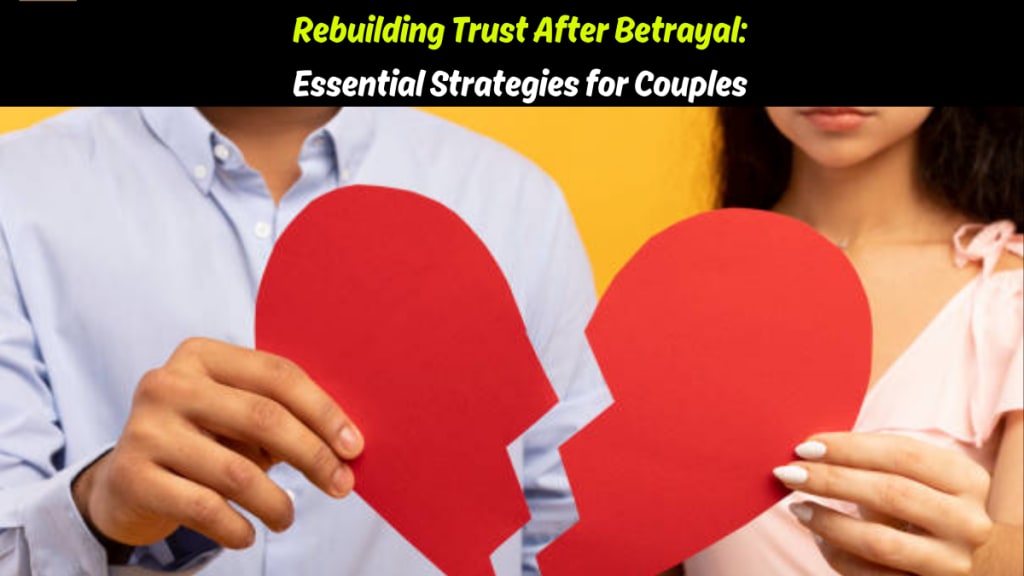
Betrayal can shake the very foundation of a relationship, leaving partners feeling hurt, confused, and vulnerable. Whether it’s infidelity, dishonesty, or broken promises, rebuilding trust after such experiences is essential for the relationship to heal and thrive. In this article, we will explore effective strategies couples can use to rebuild trust and strengthen their bond after betrayal.
Understanding Betrayal
What Is Betrayal?
Betrayal occurs when one partner violates the trust of the other, leading to feelings of hurt and disappointment. This breach can take many forms, including emotional infidelity, financial deception, or a failure to uphold commitments. Understanding the nature of betrayal is the first step toward healing.
The Impact of Betrayal
The impact of betrayal can be profound. It often leads to feelings of anger, sadness, and insecurity. Trust, once broken, can create emotional barriers that hinder open communication and connection. Recognizing the emotional turmoil that follows betrayal is crucial for both partners as they begin the healing process.

Strategies for Rebuilding Trust
1. Open and Honest Communication
Importance of Communication
Effective communication is vital for rebuilding trust. Both partners must be willing to express their feelings and concerns openly. This transparency allows for a deeper understanding of each other’s emotions and experiences, fostering an environment where healing can begin.
How to Communicate Effectively
- Use "I" statements to express feelings without blaming. For example, say, "I feel hurt when I think about what happened," instead of "You hurt me."
- Listen actively to your partner’s perspective without interrupting or getting defensive. This shows you value their feelings.

2. Acknowledge the Hurt
Recognizing Feelings
Acknowledging the pain caused by betrayal is crucial for healing. Both partners need to validate each other's feelings, whether it’s anger, sadness, or confusion. This acknowledgment fosters empathy and understanding, which are essential for rebuilding trust.
Ways to Acknowledge Hurt
- Express genuine remorse for the actions that caused the betrayal.
- Encourage your partner to share their feelings and listen without judgment.
3. Take Responsibility
Owning Your Actions
Taking responsibility for the betrayal is a significant step in the healing process. The partner who caused the hurt must acknowledge their actions and the impact they have had on the relationship. This accountability is crucial for restoring trust.
How to Take Responsibility
- Apologize sincerely without making excuses. Acknowledge what you did wrong and how it affected your partner.
- Discuss what you’ve learned from the experience and how you plan to avoid similar mistakes in the future.

4. Establish Boundaries
Setting Healthy Boundaries
Establishing clear boundaries is essential for rebuilding trust. Both partners should discuss what is acceptable and what is not moving forward. This helps create a safe space where both individuals can feel secure.
Creating Boundaries Together
- Discuss what actions or behaviors will help rebuild trust.
- Agree on how to handle situations that may trigger feelings of betrayal.
5. Rebuild Emotional Intimacy
Importance of Intimacy
Rebuilding emotional intimacy is essential for restoring trust. Betrayal can create emotional distance, making it crucial for couples to reconnect on a deeper level. Engaging in activities that foster closeness can help rebuild this intimacy.
Ways to Reconnect
- Spend quality time together doing activities you both enjoy.
- Share your thoughts and feelings regularly to enhance emotional connection.

6. Seek Professional Help
When to Consider Therapy
If rebuilding trust feels overwhelming, seeking professional help can provide valuable guidance. A therapist can help couples navigate the complexities of betrayal and provide tools for effective communication and healing.
Benefits of Therapy
- Offers a safe space to discuss feelings and concerns.
- Provides strategies tailored to your unique situation, facilitating the healing process.
Conclusion
Rebuilding trust after betrayal is a challenging but necessary process for couples seeking to heal and strengthen their relationship. It requires open communication, acknowledgment of hurt, and a commitment to taking responsibility. Establishing healthy boundaries and rebuilding emotional intimacy are also crucial steps in this journey.
Couples must be patient with themselves and each other, as healing takes time. Seeking professional help can provide additional support and guidance, ensuring that both partners feel heard and valued throughout the process. Remember, trust can be rebuilt, but it requires effort, understanding, and a shared commitment to moving forward together.
By embracing these strategies, couples can turn a painful experience into an opportunity for growth and deeper connection. With dedication and love, it is possible to emerge from betrayal stronger and more united than before.
FAQs
1- What should I do immediately after betrayal?
Take time to process your emotions and communicate openly with your partner. Acknowledge the hurt and prioritize honest discussions about feelings and needs.
2- How long does it take to rebuild trust?
The time it takes to rebuild trust varies for each couple. Factors include the severity of the betrayal and the commitment both partners have to the healing process.
3- Can trust be rebuilt after infidelity?
Yes, trust can be rebuilt after infidelity, but it requires open communication, accountability, and a willingness to work through the pain together.
4- What are healthy boundaries to establish after betrayal?
Healthy boundaries may include agreeing on how to communicate about feelings, setting limits on interactions with others, and discussing expectations for transparency.
5- When should we consider couples therapy?
Consider couples therapy if you find it difficult to communicate, if feelings of betrayal persist, or if you need guidance in rebuilding trust effectively.
Short Note for Unsplash and Pexels
For high-quality images to enhance your article on rebuilding trust, visit Unsplash and Pexels. Both platforms offer a variety of free images that can beautifully illustrate your content.
If you found this article helpful and want to enhance your relationships even further, explore more insightful articles on our site! Discover tips, strategies, and advice tailored to help you navigate love and communication. Dive in now and unlock the benefits of healthier connections! Click Here….
The End
About the Creator
Abdul Jamil Nasir
Hello! I’m Abdul Jamil Nasir, a passionate writer exploring life, love, and culture. I focus on relationships, personal growth, and human emotions, believing in the power of words to inspire and connect with readers.
Keep reading
More stories from Abdul Jamil Nasir and writers in Humans and other communities.
Why Honesty is the Cornerstone of Healthy Relationships
Honesty is often touted as the foundation of any healthy relationship. It’s more than just telling the truth; it involves openness, transparency, and integrity between partners. When both individuals in a relationship commit to being honest, it creates a safe space for love to flourish. This article will explore the vital role of honesty in relationships, its benefits, and how to cultivate it effectively.
By Abdul Jamil Nasirabout a year ago in Humans
Why Didn't Anyone Tell Us
Men, move along. This is not for you. This is for the women. I was forty-five when I began menopause. It is pretty young for that to be going on in a woman’s life, but I had undiagnosed PCOS, my entire life. Thank you to all the gynecologists I had seen my entire life. That in itself should encourage women to keep seeking second opinions, especially when you are not getting correct answers or any at all.
By Alexandra Grant5 days ago in Humans


Comments
There are no comments for this story
Be the first to respond and start the conversation.