
Pros and Cons of Doll Therapy in Dementia Care
Dementia Care
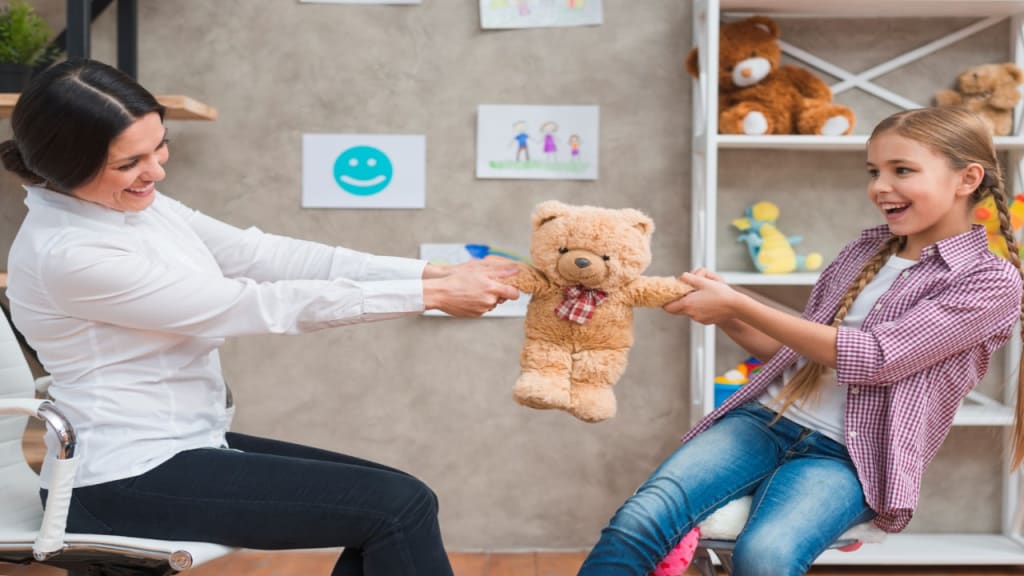
Dementia care is a challenging field that requires innovative and compassionate approaches to enhance the quality of life for patients. One such approach that is gaining popularity is doll therapy. If you're considering a care home in Croydon for a loved one with dementia, it's essential to understand the potential benefits and drawbacks of this therapy. Doll therapy involves using dementia dolls or dementia toys to provide comfort and stimulation for individuals with dementia. Here, we explore the pros and cons of this unique therapy.
Pros of Doll Therapy
1. Emotional Comfort
One of the most significant benefits of doll therapy dementia is the emotional comfort it can provide. Dementia dolls can evoke nurturing instincts in patients, offering them a sense of purpose and responsibility. This can be particularly soothing for individuals who may feel confused or anxious. Holding and caring for a doll can help reduce loneliness and agitation.
2. Reduction in Anxiety and Agitation
Doll therapy has been shown to help reduce anxiety and agitation in dementia patients. A study published in the Journal of Dementia Care found that interacting with dementia dolls can significantly lower stress levels. This anxiety reduction can lead to a calmer and more contented state of mind, improving overall well-being.
3. Improved Social Interaction
For many individuals with dementia, social interaction can become challenging. Dementia toys like dolls can encourage social interaction by prompting conversations and engagements with caregivers and family members. This can help combat social isolation, which is common in dementia patients.
4. Stimulation of Memories
Doll therapy can help stimulate memories and emotions from earlier life stages. For some individuals, holding a doll can trigger positive memories of parenthood or caregiving roles they had in the past. This can provide a sense of continuity and connection to their identity.
5. Enhanced Communication
Using dementia dolls can enhance communication between patients and caregivers. Caring for the doll can be a non-verbal expression, allowing patients to communicate their needs and emotions more effectively. This can be particularly beneficial for individuals who have difficulty with verbal communication.
Cons of Doll Therapy
1. Misinterpretation as Infantilising
One of the primary criticisms of doll therapy is the potential for it to be seen as infantilising. Some argue that giving adults dolls to play with can be demeaning or patronising. Caregivers and family members must introduce doll therapy respectfully, ensuring it is seen as a therapeutic tool rather than a toy.
2. Potential for Distress
While many patients benefit from doll therapy dementia, there is a risk that some individuals may find it distressing. For example, if a patient becomes overly attached to the doll and experiences anxiety when it is not present, this could lead to increased distress. It is essential to monitor individual reactions and adjust the therapy as needed.
3. Ethical Concerns
There are ethical considerations regarding using dementia toys like dolls in therapy. Some caregivers and family members may feel uncomfortable with the idea, believing it to be a deception. It is essential to have open and honest discussions with all parties to ensure the therapy aligns with the patient's dignity and the family's values.
4. Limited Research
While growing evidence supports doll therapy's benefits, research still needs to be improved. More extensive studies are needed to understand this therapy's long-term effects and potential drawbacks fully. Care homes and caregivers should stay informed about the latest research to make evidence-based decisions.
5. Individual Differences
Not all dementia patients will respond positively to doll therapy dementia. It is essential to personalise the approach, considering each patient's unique needs and history.
Conclusion
Doll therapy offers a range of potential benefits, including emotional comfort, reduced anxiety, improved social interaction, memory stimulation, and enhanced communication. However, it also comes with challenges, such as the risk of infantilisation, potential distress, ethical concerns, limited research, and the need for individualised approaches. By carefully considering these factors and consulting with professionals, caregivers can make informed decisions about whether doll therapy dementia is suitable for their loved ones.
About the Creator
Keep reading
More stories from futurecaregroup and writers in Humans and other communities.
Autonomy Is The Real Privilege
Good morning, freedom-seekers! Today we’re gonna be looking at autonomy. A strange word, I know; one many would probably look at blankly and run away from on sight. We’re gonna figure out what it actually means, consider how it’s achieved, and decipher just how deeply most of us are tangled up in dependence without realising it.
By That ‘Freedom’ Guyabout 20 hours ago in Humans




Comments
There are no comments for this story
Be the first to respond and start the conversation.