
“Maintain a Balanced Diet for a good mental health”
Maintaining a balanced diet is crucial for supporting brain function, overall health, and well-being.

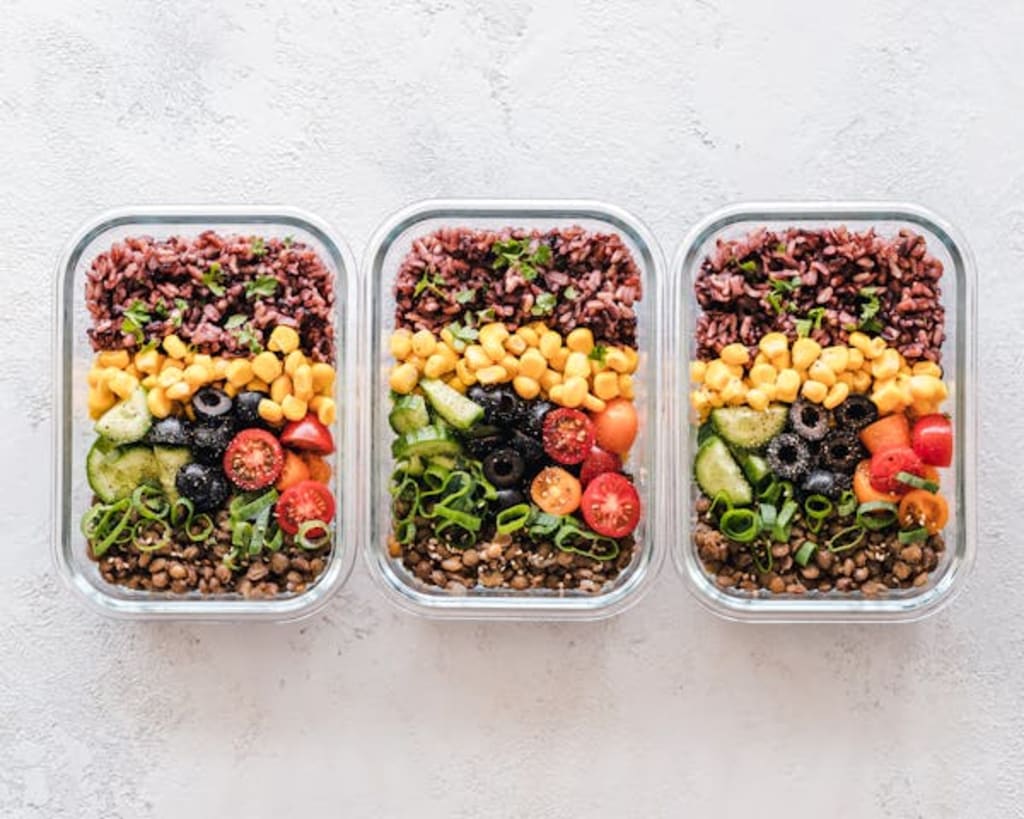
Maintaining a balanced diet is crucial for supporting brain function, overall health, and well-being.
Here are some key details on how to eat nutritiously:
1. Essential Nutrients:
Proteins: Found in meats, fish, poultry, eggs, dairy products, legumes, nuts, and seeds. Proteins provide amino acids, which are essential for brain function and tissue repair.
Carbohydrates: Include whole grains, fruits, vegetables, and legumes. Carbohydrates are the primary energy source for the brain and body, providing fuel for daily activities and cognitive function.
Healthy Fats: Found in nuts, seeds, avocados, olive oil, and fatty fish (like salmon and trout). Healthy fats, especially omega-3 fatty acids, support brain health, improve mood, and reduce inflammation.
Vitamins and Minerals: Include fruits, vegetables, whole grains, lean proteins, and dairy products. These provide essential nutrients like vitamins (such as vitamin C, vitamin D, and B-complex vitamins) and minerals (such as iron, calcium, magnesium, and zinc), which are vital for brain function, immune health, and overall well-being.
2. Balanced Meals:
Include a Variety of Foods: Aim to incorporate a variety of foods from different food groups in each meal. This ensures you receive a diverse range of nutrients necessary for optimal health.
Portion Control: Pay attention to portion sizes to maintain a healthy weight and prevent overeating. Balancing portions of proteins, carbohydrates, and fats helps regulate energy intake throughout the day.
Fiber-Rich Foods: Include fiber-rich foods like whole grains, fruits, vegetables, and legumes to support digestive health and maintain steady blood sugar levels.
3. Hydration
How to Stay Hydrated
Drink Water Regularly: Daily Intake: Aim to drink at least 8 cups (about 2 liters) of water per day. This amount can vary based on factors such as body size, activity level, and climate.
Listen to Your Body: Drink when you’re thirsty and increase intake if you’re physically active, in hot weather, or experiencing illness.
Include Hydrating Foods:
Water-Rich Foods: Consume foods with high water content, such as fruits (e.g., watermelon, oranges, strawberries) and vegetables (e.g., cucumbers, celery, lettuce). These foods contribute to your overall fluid intake.
Monitor Hydration Status:
Urine Color: Check the color of your urine as an indicator of hydration. Light, pale yellow urine generally indicates good hydration, while dark yellow or amber urine may suggest dehydration.
Adjust for Special Circumstances:
Physical Activity: Drink extra water before, during, and after exercise to compensate for fluid lost through sweat.
Climate: Increase fluid intake in hot or humid climates where you may sweat more.
Health Conditions: Modify fluid intake based on health conditions, such as fever, diarrhea, or vomiting, which can lead to increased fluid loss.
Limit Dehydrating Beverages:
Caffeine and Alcohol: While moderate consumption of caffeinated beverages and alcohol can contribute to fluid intake, excessive amounts can lead to dehydration. Balance these with additional water intake.
Hydration Strategies:
Carry a Water Bottle: Keep a water bottle with you throughout the day as a reminder to drink regularly.
Use a Hydration App: Consider using a hydration app to track your daily water intake and remind you to drink.
Maintaining proper hydration is essential for overall health, cognitive function, and physical performance. By integrating these practices into your daily routine, you can support your body’s needs and promote optimal well-being.
4. Meal Planning and Preparation:
Plan Ahead: Plan meals and snacks in advance to ensure they are balanced and nutritious. This helps you make healthier food choices and avoid relying on processed or fast foods.
Cook at Home: Prepare meals at home using fresh, whole ingredients whenever possible. Cooking allows you to control portion sizes, ingredients, and cooking methods to maximize nutrition.
5. Mindful Eating:
Eat Regularly: Aim for regular meals and snacks throughout the day to maintain energy levels and prevent overeating.
Practice Mindful Eating: Pay attention to hunger and fullness cues, eat slowly, and savor the flavors and textures of food. This promotes better digestion and enjoyment of meals.
6. Special Considerations:
Individual Needs: Consider individual dietary needs, such as food allergies, intolerances, or specific health conditions. Consult with a healthcare professional or registered dietitian for personalized dietary recommendations.
7.Long-Term Benefits:
Brain Health: A balanced diet supports cognitive function, memory, and mood regulation, promoting overall mental well-being.
Physical Health: Eating nutritiously reduces the risk of chronic diseases such as heart disease, diabetes, and obesity, supporting long-term health and vitality.
By maintaining a balanced diet rich in essential nutrients, you can support brain function, enhance overall health, and improve your quality of life. Adopting healthy eating habits as part of a balanced lifestyle contributes to sustained energy levels, better mood, and optimal physical and mental performance.
About the Creator
Donkodech Hahngeh
Hello everyone, I hope that all the articles will be useful for all readers.
Keep reading
More stories from Donkodech Hahngeh and writers in Humans and other communities.
Time to change your life.
Is it even possible for you to change your life? A lot of people, more than there should be, are unhappy with their lives. But what are they doing about it? Usually nothing. People talk about how shitty their lives are and want change, but are they not taking the actions to change?
By Jen Phillipsa day ago in Humans
You Outgrew Arguments Without Trying.
You outgrew arguments without trying. This shift confuses you at first. You once felt pulled into debates. You once needed the last word. You once felt tension rise fast. Now silence feels easier. Distance feels natural. Peace feels heavier than winning.
By Wilson Igbasi7 days ago in Humans
One Unchecked Box
"Republished" because it was the only way to add the embed for the newly recorded audio version of this story due to the Top Story badge. Plus it serves as a nice, informal announcement of the podcast's revival for another season (go subscribe!):
By Stephen A. Roddewig5 days ago in Fiction


Comments
There are no comments for this story
Be the first to respond and start the conversation.