
Maha Shivaratri - Know the complete story and the significance
The great night of Shiva - Maha Shivaratri

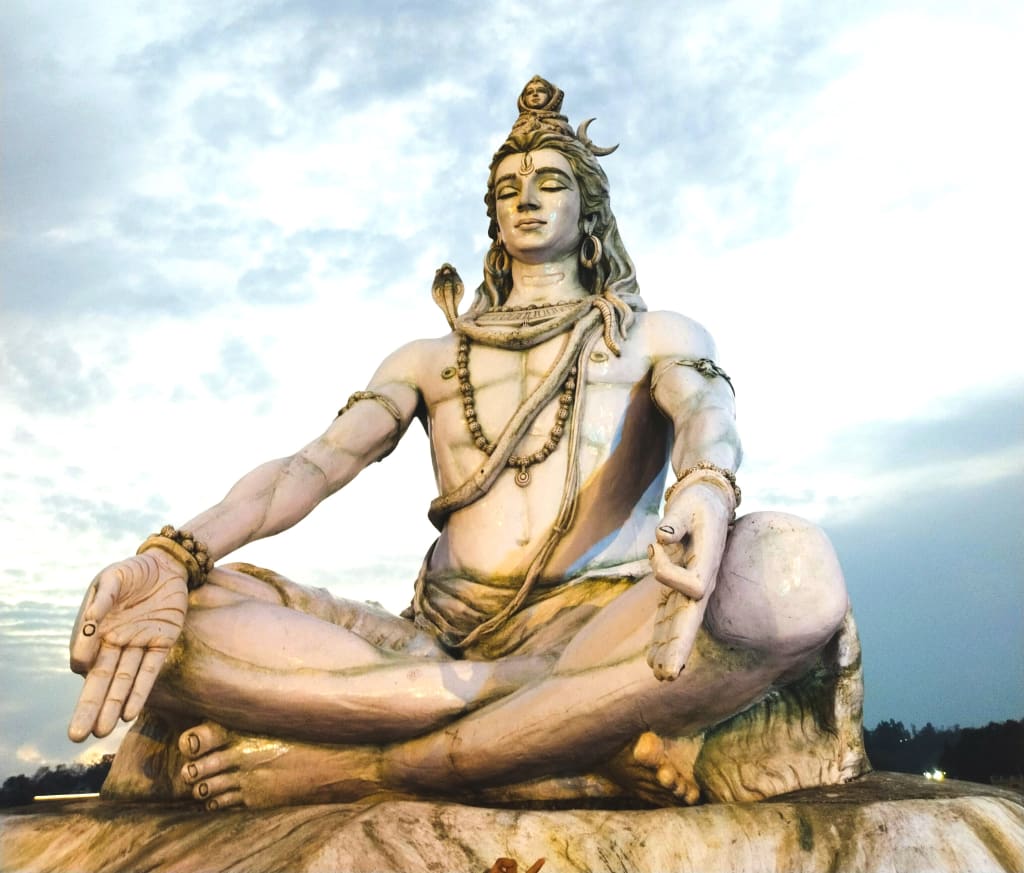
Maha Shivaratri, often referred to as "The Great Night of Shiva," is one of the most significant festivals in Hinduism, celebrated with deep devotion and reverence for Lord Shiva. This festival encapsulates profound spiritual truths, mythological stories, and rituals that inspire introspection, transformation, and connection with the divine. Below is a synthesis of its significance, legends, practices, and philosophical insights:
Key Legends Associated with Maha Shivaratri
The Samudra Manthan Story
Legend : During the churning of the ocean (Samudra Manthan ), a deadly poison called Halahala emerged, threatening to destroy the universe. To save creation, Lord Shiva drank the poison, holding it in his throat, which turned blue, earning him the name Neelkanth (the blue-throated one).
Significance : This act symbolizes selflessness, compassion, and sacrifice. It teaches devotees the importance of protecting others and embracing challenges for the greater good. The Neelkanth Mahadev Temple in Uttarakhand commemorates this event.
The Marriage of Shiva and Parvati
Legend : Maha Shivaratri marks the divine union of Lord Shiva and Goddess Parvati, representing the harmonious balance of masculine and feminine energies.
Symbolism : Their marriage signifies the integration of opposites—creation and destruction, material and spiritual realms—and emphasizes the importance of harmony in relationships. Devotees seek blessings for marital bliss or a virtuous partner.
The Lingodbhava Story
Legend : To resolve a dispute between Brahma and Vishnu over supremacy, Shiva appeared as an infinite pillar of light (Lingodbhava ). Neither deity could find its beginning or end, leading them to acknowledge Shiva's infinite nature.
Symbolism : The Lingodbhava form represents Shiva's formless and transcendent nature, reminding devotees of the ultimate truth beyond human comprehension.
The Victory Over Tripurasura
Legend : Shiva defeated the demon Tripurasura , who symbolized arrogance, ignorance, and attachment. By vanquishing him, Shiva restored cosmic order.
Spiritual Lesson : This story inspires devotees to overcome inner demons such as ego, greed, and anger, fostering humility and detachment.
How Maha Shivaratri Is Celebrated ?
Fasting :
Devotees observe a strict fast, consuming only fruits, milk, or water. Some undertake a complete fast without food or water, symbolizing purification and discipline.
Night Vigil (Jagran) :
Staying awake throughout the night is a key practice, involving prayer, meditation, and chanting of mantras like "Om Namah Shivaya." This vigil represents vigilance against ignorance and the pursuit of enlightenment.
Abhishekam :
Ritual bathing of the Shiva Linga is performed using sacred substances like milk, honey, yogurt, ghee, sandalwood paste, and holy water. Each substance carries symbolic meaning, emphasizing purity, devotion, and prosperity.
Visiting Temples :
Pilgrims visit Shiva temples, especially the twelve Jyotirlingas , considered the most sacred shrines dedicated to Shiva. Major temples like the Kashi Vishwanath Temple in Varanasi and the Somnath Temple in Gujarat, Mahakaleshwar in Ujjain and other 12 Jyotirlingas witness massive gatherings.
Chanting and Meditation :
Reciting hymns like the Rudram and Chamakam and meditating on Shiva's attributes help devotees connect with his divine energy.
Charity and Service :
Acts of kindness, such as feeding the poor and helping those in need, are encouraged as part of the celebrations, reflecting Shiva's compassionate nature.

Philosophical and Spiritual Significance
Destruction and Renewal :
Shiva's role as the destroyer in the Hindu trinity highlights the cyclical nature of life—creation, preservation, and dissolution. His actions remind us that endings pave the way for new beginnings.
Inner Transformation :
The festival encourages introspection and self-purification. Just as Shiva consumed poison to protect the universe, devotees are urged to confront and transform their negative tendencies, fostering personal growth.
Union with the Divine :
The worship of the Shiva Linga and the celebration of Shiva's marriage with Parvati symbolize the merging of individual consciousness (Atman ) with universal consciousness (Brahman ), guiding seekers toward liberation (Moksha ).
Victory of Light Over Darkness :
Shiva's triumph over ignorance and ego serves as a metaphor for overcoming inner darkness, inspiring devotees to strive for spiritual enlightenment.
Maha Shivaratri is not merely a religious observance but a profound spiritual journey. It invites devotees to reflect on timeless teachings such as compassion, selflessness, transcendence, and the victory of light over darkness. Through rituals like fasting, chanting, and offering reverence to the Shiva Linga, devotees seek spiritual renewal and liberation. The festival also inspires philosophical insights about destruction, renewal, selflessness, and the pursuit of enlightenment.
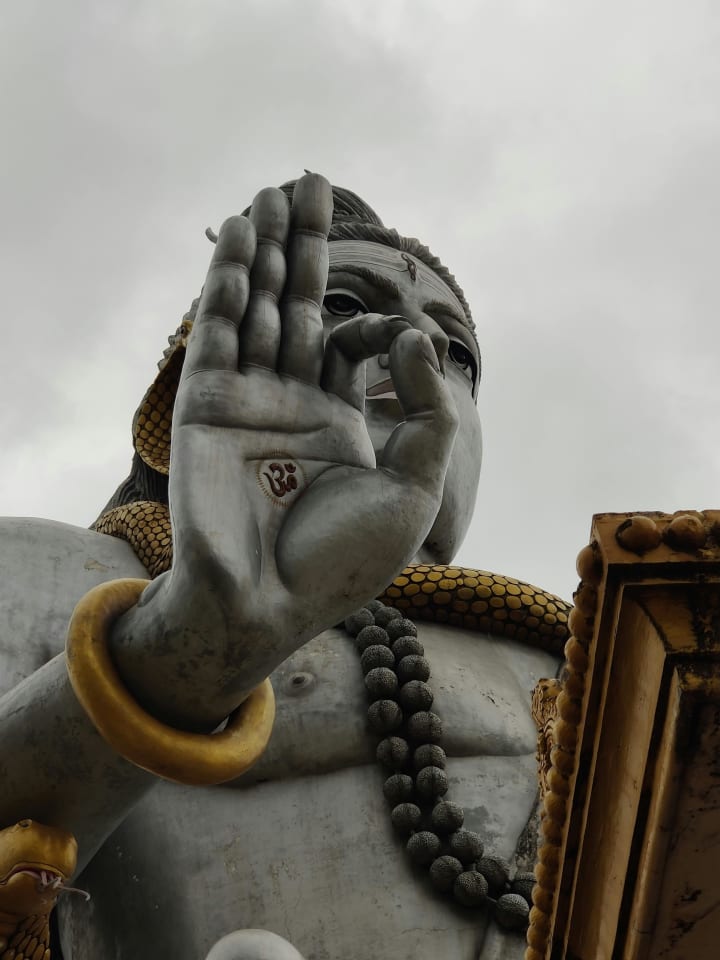
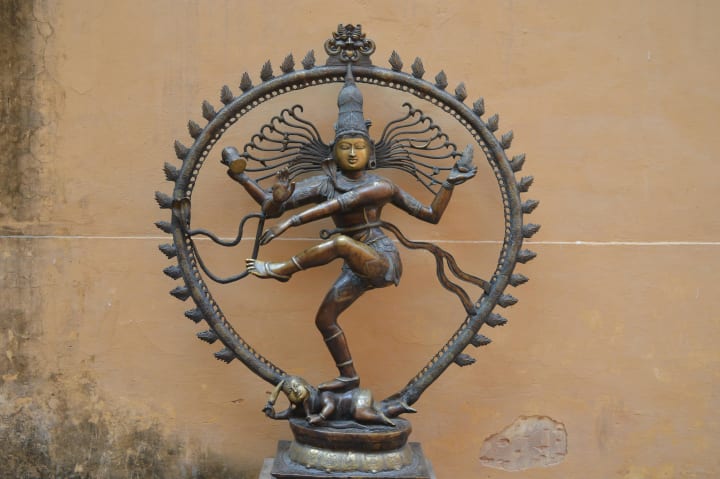
Maha Shivaratri celebrates the selfless acts, divine union, and supreme nature of Lord Shiva, inspiring devotees to embrace compassion, harmony, and spiritual growth. Rooted in texts like the Skanda Purana, Linga Purana, and Padma Purana, the festival commemorates legends such as Shiva's cosmic dance (Tandava ), his marriage to Parvati, and his act of consuming the Halahala poison during Samudra Manthana . Devotees observe rituals like fasting, night vigils, and offering reverence to the Shiva Linga, seeking spiritual renewal and liberation. The festival also offers profound philosophical lessons about destruction, renewal, selflessness, and the pursuit of enlightenment.
About the Creator
Sujeet M Sonar
An artist, teacher, and lifelong learner influenced by philosophers like J Krishnamurti & Socrates, and writers like Premchand and Kahlil Gibran. Inspired by Swami Vivekananda’s, I believe inner growth leads to outward expansion and Wisdom.
Keep reading
More stories from Sujeet M Sonar and writers in Humans and other communities.
The Life and Legend of Lord Hanuman: A Divine Journey Through Bhakti, Power, and Eternal Service
In the vast and vivid tapestry of Indian mythology, few figures shine as brightly as Lord Hanuman—the ultimate symbol of strength, selfless devotion, and eternal service. Known by countless names—Maruti, Anjaneya, Bajrangbali, Sankat Mochan, and Mahabali—Hanuman's life is not just an epic tale of heroism but a roadmap for spiritual seekers on the path of Bhakti Marg, or pure devotion.
By Sujeet M Sonar9 months ago in Humans
Five Modern Conveniences That Are Making Us Miserable.
Modern life sells ease as progress. One click. One tap. Instant access. These tools promise time savings and comfort. Many deliver the opposite. They reduce effort while quietly eroding focus, health, and meaning. Misery grows through convenience, not despite it.
By Wilson Igbasi3 days ago in Humans


Comments
There are no comments for this story
Be the first to respond and start the conversation.