
Living with Anxiety: How to Cope, Heal, and Regain Control of Your Life"
Understanding the Invisible Battle Millions Fight Daily and the Small Steps That Make a Big Difference
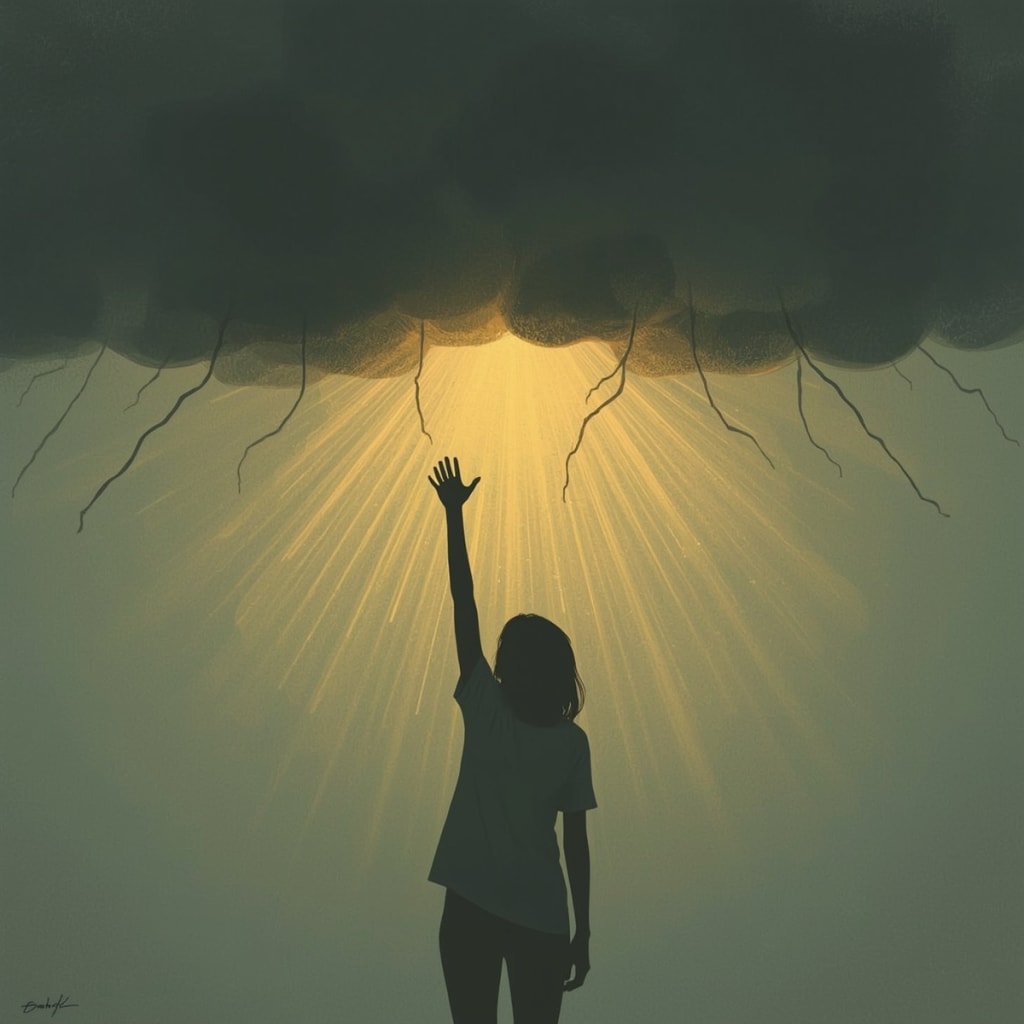
Introduction: The Quiet Storm Inside
Anxiety is one of the most common yet misunderstood mental health challenges of our time. It doesn’t always look like hyperventilating into a paper bag or running out of a room in panic. Sometimes, it’s a racing mind during a quiet dinner. Sometimes, it’s avoiding calls, second-guessing every word you say, or waking up with dread that seems to have no name. Millions of people live with anxiety every day, often in silence.
But you’re not alone—and more importantly, you’re not broken. Anxiety doesn’t define you. With the right tools, support, and self-awareness, it is absolutely possible to manage, reduce, and even grow stronger from your experience with it.
What Is Anxiety, Really?
At its core, anxiety is your body's natural response to perceived threats. It’s meant to protect you. When you're in danger, anxiety tells your body to prepare—heart rate increases, muscles tense, and your mind becomes hyper-aware. This "fight or flight" system was crucial for our ancestors.
But in modern life, that same system is often triggered by non-life-threatening things—like deadlines, social interactions, or uncertainty about the future. This becomes chronic anxiety when the response is frequent, overwhelming, and disproportionate to the actual threat.
Common Symptoms of Anxiety
Anxiety can show up in many different ways—physical, emotional, and behavioral. Some common symptoms include:
Constant worry or intrusive thoughts
Fatigue or trouble sleeping
Rapid heart rate or shortness of breath
Feeling restless, tense, or on edge
Difficulty concentrating
Avoidance of social or stressful situations
It's important to note: anxiety isn't one-size-fits-all. Some people experience Generalized Anxiety Disorder (GAD), while others may face panic attacks, phobias, or social anxiety. Each person's experience is unique.
How Anxiety Affects Daily Life
Living with anxiety can feel like walking with an invisible weight on your shoulders. It can affect your ability to work, build relationships, enjoy hobbies, and even perform basic tasks. Many people begin to shrink their world—avoiding certain people, places, or decisions in fear of triggering their anxiety.
Over time, this leads to isolation, low self-esteem, and even depression. That’s why understanding and managing anxiety isn’t just about feeling better—it’s about reclaiming your life.
Effective Ways to Cope With Anxiety
1. Name It to Tame It
Simply acknowledging that you're feeling anxious is a powerful first step. Don’t judge it. Instead, pause and say to yourself, “This is anxiety.” This shifts you from reaction mode into observation mode.
2. Practice Mindful Breathing
Deep breathing tells your nervous system that you’re safe. Try this: inhale for 4 counts, hold for 4, exhale for 4, hold for 4. Repeat for 2-3 minutes.
3. Limit Stimulants
Caffeine, sugar, and alcohol can all worsen anxiety. Keeping them in check can prevent unnecessary spikes in anxious feelings.
4. Move Your Body
Regular movement—whether it’s walking, dancing, or yoga—helps release built-up tension and increase feel-good chemicals like serotonin and endorphins.
5. Write It Out
Journaling allows you to empty your mind onto paper. It’s not about grammar—it’s about release. Write down what you’re feeling and why. Often, clarity follows.
6. Seek Support
Therapists, support groups, and even trusted friends can offer understanding and guidance. You don’t have to go it alone.
Long-Term Healing Is Possible
While anxiety may not disappear overnight, it absolutely can be managed—and in some cases, resolved entirely with the right tools. Cognitive Behavioral Therapy (CBT), medication (when appropriate), mindfulness practices, and lifestyle adjustments have transformed countless lives.
More than anything, healing begins when we stop blaming ourselves and start approaching our minds with curiosity and compassion.
You're Not Weak—You're Human
If you’ve been struggling with anxiety, remind yourself: this is not a personal failure. You are not less capable, less lovable, or less worthy because of what you’re going through. In fact, living with anxiety often means you’re sensitive, thoughtful, and deeply aware—qualities that are powerful when channeled.
Take it one breath, one step, one day at a time. Healing is not linear, but it is possible. And you are more resilient than you know.
About the Creator
Autonomy Is The Real Privilege
Good morning, freedom-seekers! Today we’re gonna be looking at autonomy. A strange word, I know; one many would probably look at blankly and run away from on sight. We’re gonna figure out what it actually means, consider how it’s achieved, and decipher just how deeply most of us are tangled up in dependence without realising it.
By That ‘Freedom’ Guyabout 5 hours ago in Humans




Comments
There are no comments for this story
Be the first to respond and start the conversation.