
Life in Mozambique encompasses a range of elements, including customs, individuals, hazards, endangered wildlife, and actions to avoid.
Exploring the Varied Aspects of Life in Mozambique: Traditions, People, Hazards, Wildlife, and Precautions.

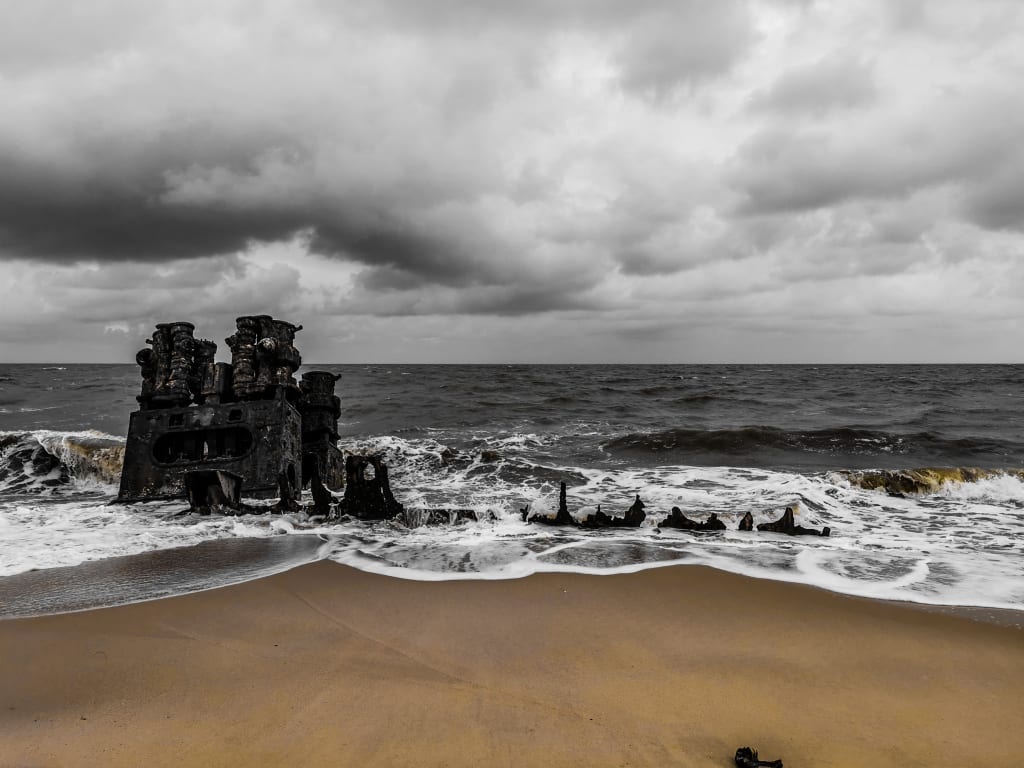
Mozambique is not frequently visited by tourists, making it one of the least visited countries in Africa and the world. However, many Europeans, particularly Portuguese individuals, have made Mozambique their home due to its weather, scenery, and cost of living. In this article, you will learn about Mozambique's life and other fascinating facts.
Mozambique has more than 12% of protected areas, including six national parks and six national reserves, where safaris can be enjoyed. The Niassa National Reserve is the country's largest protected area, where visitors can observe various animals such as lions, leopards, elephants, buffalo, zebras, and wild dogs.
Mozambique's giraffe population decreased significantly due to habitat loss, uncontrolled natural resource use, and years of civil war. However, reintroductions have been successful, with around 250 South African giraffes now living in Mozambique.
Poaching has been a significant issue for decades in Mozambique, with rhino horn prices ranging from $3,600 to $17,000. China and Vietnam are the two main markets for rhino horns, which are used in traditional medicine. Dehorning is a preventive measure to deter poachers, but the horns grow back after several years. Volunteering for organizations that protect rhinos and other animals is an excellent way to support animal conservation.
If you have children in Mozambique, you might prefer private schools as public schools are overcrowded and under-resourced. The healthcare system is inadequate, particularly in urban areas, and it's best to have private medical insurance and seek medical attention in South Africa for severe illnesses. Mosquito bites and malaria are prevalent in the country, so preventative medication is necessary.
Mozambique has a vast road network of 30,000 kilometers, with only 5,600 kilometers paved. A four-wheel-drive vehicle is necessary to travel outside of urban areas. Railways are also available, covering 3,100 kilometers.
Mozambique is one of the poorest African countries and is frequently struck by devastating droughts and cyclones that result in flooding in coastal areas. Most individuals live in the coastal regions or in the fertile Zambezi River Valley in the north. Mozambique's wildlife includes water buffaloes, elephants, wild boars, leopards, baboons, giraffes, zebras, antelopes, lions, rhinos, hippos, crocodiles, and others. Malaria is the most dangerous animal in Mozambique as it is transmitted by the Plasmodium falciparum mosquito. There are also deaths caused by crocodile attacks, with most victims being women and children who go to rivers to bathe, fetch water, or wash clothes.
Various types of snakes, such as pythons, venomous vipers, and cobras, can be found all over Mozambique. In wetter areas of the northwest, there are also many waterbirds, including flamingos, cranes, storks, herons, pelicans, and ibises.
Agriculture and fishing are the primary drivers of Mozambique's regional economy, with over 80% of the population working as farmers. The country's main exports include shrimp, cotton, sugar, and citrus, and it is one of the largest producers of cashew nuts in Africa.
Mining is also a significant industry in Mozambique, with gold and tantalum (a metal used in electronics) being the primary resources.
Only about a third of Mozambicans live in urban areas, such as the capital city of Maputo or other cities. The largest cities in Mozambique are Maputo, Beira, and Nampula. The majority of the population resides in rural areas, where many people live in traditional huts.
Mozambique has over 80 languages spoken, including Swahili in the northwestern areas, Shona along the border with Zimbabwe, and Tsonga in the southern regions. Portuguese is the language taught in all schools.
Mozambique's extensive coastline along the Mozambique Channel offers some of the best natural harbors in Africa, which has allowed the country to play a significant role in the maritime economy of the Indian Ocean. Additionally, the country's white sandy beaches are a major draw for the growing tourism industry. Meanwhile, the fertile soils in the northern and central areas have produced abundant agriculture, and the Zambezi River has provided ample water for irrigation and has also led to the development of a regionally significant hydroelectric power industry.
Mozambique's complex recent history has prevented the country from fully utilizing its natural resources and developing a stable economy. After gaining independence from Portugal in 1975, Mozambique faced internal conflict as the Marxist government, backed by the Soviet Union, fought against anti-communist forces funded by South Africa and the former Rhodesia for control of the country.
The civil war that began in 1977 displaced four million people and led to the death of an additional one million due to violence, hunger, and disease. Although the conflict ended in 1992, its impact is still felt today, with 90% of the large mammals in some of the country's national parks being killed.
The region has been inhabited since the 4th century BC, and the first coastal settlements were established in the 9th century AD. During this time, the Swahili culture was predominant.
Portuguese explorer Vasco da Gama arrived in Mozambique in 1498, and the port cities helped the Portuguese establish trade centers in the Indian Ocean. Mozambique did not gain independence from Portugal until 1975.
The name Mozambique comes from an Arab trader named Mussa-Al-Bik, who settled on an offshore island in the 15th century. At that time, the capital city was located on this island until 1898, when it was moved to Maputo, located on the mainland.
The slave trade was an important part of Mozambique's economy during the 18th century.
Yao traders established networks to transport slaves from the Marave area, around Lake Nyasa's tip, to Kilwa and the island of Mozambique.
Niassa, the largest lake in the region, is shared by Mozambique, Malawi, and Tanzania, also known as Lake Malawi. There have been reported sightings of dzimwé, a sea serpent species, in this lake. In 1905, a group of missionaries was attacked by a sea serpent while traveling by boat, as reported by a newspaper.
Mozambique Island, located in the Nampula province, is the only site in Mozambique included on the UNESCO World Heritage list. The island was the site of the first settlement and the São Sebastião fortress and served as the primary trading post on the India route.
Ponta de Ouro, a popular beach vacation destination for many South Africans, is located just across the border. The beaches have golden sands, and various resorts are available in the surrounding area. At nearby Ponta Mamoli, you can visit the nesting sites of loggerhead and leatherback turtles.
Congorosa National Park is situated at the southern end of the African Rift Valley. During the civil war, this site suffered significant damage, and most of the animals were poached. Fortunately, rehabilitation efforts allowed the elephant herds to recover, and now they are tracked and protected by park rangers.
The discovery of large natural gas and oil reserves off Mozambique's northern coast led to the establishment of new industries in the region. Mozambique's major trading partners are South Africa, India, the Netherlands, China, the United Arab Emirates, and Portugal.
Portugal ruled Mozambique for a long time, and as a result, Portuguese language and Catholicism are still present in many parts of the country. Mozambican traditions show cultural influences, but many people still belong to native cultures.
Mozambique has one of the highest rates of HIV/AIDS among its population, with around 2.1 million people living with the disease. Mozambique is behind South Africa and India in terms of the number of infected people.
Piri piri, a sauce or spice made from hot red chili pepper, is commonly used in Mozambican cuisine. Piri means pepper in Swahili, and the sauce also contains lemon, garlic, and onion.
Matapa, also known as mucuane, is a traditional dish made by sautéing cassava leaves and mixing them with ground nuts or cashews in a thick sauce, served with rice.
Mozambique is home to many rare or endangered animals and plants, including communities of black and white colobus monkeys and gelada baboons.
The vast majority of Mozambicans speak Bantu languages from the Niger-Congo linguistic group. The most widespread Bantu languages in Mozambique are Makua, Lomwe, Tsonga, Sena, Shona, and Chuabo.
Due to large population movements in the 19th century, Nguni languages are shared by small groups in the far south and throughout Mozambique and Zimbabwe.
The rural areas with the highest population density are those with the best soils and climate, including the valleys of the Lúrio and Ligonha rivers, the coastal plain between them, and the lower part of the Limpopo valley.
Small settlements plant a variety of crops in specific environments to minimize the risk of famine in the event of natural disasters such as floods, droughts, or pests.
In 1962, representatives from exiled political groups in Mozambique met in Tanganyika (now Tanzania) and formed the Mozambique Liberation Front, with Eduardo Mondlane as its first president. The Front initiated the war for independence, which was achieved in 1975 with the Lusaka agreements with Portugal.
Mozambique has one of the highest infant mortality rates in the world and one of the lowest life expectancies, comparable to other African countries. Two-fifths of the population is under 15 years old, and three-quarters are under 30.
During the colonial era, Mozambicans worked in neighboring countries as contract workers or independent workers, particularly in mining areas of South Africa and on farms and cities of Rhodesia (now Zimbabwe).
Forests along the Beira railway and in Zambezia province in the north have been exploited since independence as the primary source of domestic fuel, firewood, and charcoal for the country. More wood is being cut down than is being replaced by reforestation initiatives, which is a cause for concern, as well as the long-term ecological effects of eucalyptus plantations.
The national currency of Mozambique is the metical, which is written as meticais in plural. Since the 1990s, the country privatized its banking sector and took on debt to finance development and combat its foreign currency shortage.
Private planes were the first to fly regularly in Mozambique, but after World War II, Portugal's national airline opened a route between Beira and Maputo. During the colonial era, Mozambique developed its own airline, which was replaced in 1980 by Mozambique Airlines.
In November 1990, a new Constitution was adopted in Mozambique, introducing significant changes to the government, such as multi-party elections, universal suffrage, and secret voting. This document also abolished the death penalty, confirmed press freedom, and upheld the workers' right to strike.
Mozambican society traditionally revolves around family and community, but the government has opposed certain traditional practices such as polygamy and various initiation rites, as well as the regulos (chiefs) who held positions of power during the colonial government.
By the late 1990s, the government stopped its campaigns against polygamy and initiation rites, recognizing that these customs were difficult to legislate. The regulos and other local authorities came to play a significant role in governance.
The most common staple food for Mozambicans is cassava, which is cooked and mashed and served with a sauce or massa. Rice is also a common base for many meals and is often served with beans. The Indian influence is noticeable in the varieties of pilaf rice, where the rice is cooked with chopped vegetables or meat and in the use of curry as a flavoring.
Mozambique has produced some of Africa's most important writers and artists since the early twentieth century. Writers and journalists published their own newspaper in Maputo, called O Africano and later O Brado Africano, which provided a forum for African intellectuals and writers for decades despite colonial censorship.
Mozambican popular music is a fusion of Western and African musical styles. One of the most popular music genres is called marrabenta, which emerged in the 1950s and was originally played on homemade guitars made from oil or gasoline cans. The lyrics of marrabenta often address political issues, and it evolved during the colonial period as a way to criticize the government in a non-confrontational manner. The associated dance style is performed across the entire country.
In March 2019, Cyclone Idai struck Mozambique, resulting in the deaths of approximately 600 people and causing widespread devastation throughout the country. The city of Beira was one of the hardest-hit areas, with nearly total destruction.
Mozambique comprises ten provinces and a capital city with provincial status. These provinces are further divided into 129 districts, which are then subdivided into administrative posts and localities.
In conclusion, life in Mozambique is complex and diverse, with a rich mix of customs and traditions, a young and growing population, and a wide range of natural hazards and challenges. The country's unique wildlife and natural resources are also under threat, and efforts to protect them are ongoing. Despite these challenges, Mozambicans continue to persevere, adapting to changing circumstances and finding ways to thrive in their communities.
About the Creator
Bob Oliver
Bob is a versatile writer & communicator passionate about exploring diverse topics & perspectives. I have written for various media outlets. And I believes in using words to inspire positive change. #writing #communication #passion
Keep reading
More stories from Bob Oliver and writers in Humans and other communities.
The following list outlines ten extraordinary and remarkable pieces of information.
There are numerous mysteries in the world that still remain unsolved. However, there are also countless facts about our world that we live in. Here are the top 10 most amazing facts that cover a wide range of topics, with the aim of educating you on something new. Starting off the list at number 10, did you know that a strawberry is not a berry, but a banana is? While most of us define berries as small, edible fruit, the official definition of a berry is a fleshy fruit produced from a single ovary. Therefore, blueberries and even tomatoes can be considered a part of the berry family, but strawberries are known as accessory fruits since their seeds derive from the pistil of the flower.
By Bob Oliver3 years ago in Humans
Three Books That Will Change Your Neurochemistry Backed by Science.
Books influence the brain through repetition focus and emotional engagement. Reading alters neural pathways the same way training alters muscle tissue. Functional MRI studies show sustained reading changes activity in the prefrontal cortex limbic system and default mode network. The result involves shifts in dopamine serotonin and cortisol regulation.
By Wilson Igbasi6 days ago in Humans
How, Too
Many people wonder how, too. You are not alone, and I am an expert. I will teach you how, too! First, you need to remit a small application fee and fill out an application describing the nature of your financial situation and how often payments will be made, as this will have great bearing on how well I teach you how, too.
By Harper Lewis3 days ago in Fiction


Comments
There are no comments for this story
Be the first to respond and start the conversation.