
Knee Pain: Causes, Diagnosis, and Treatment
Everything about Knee Pain
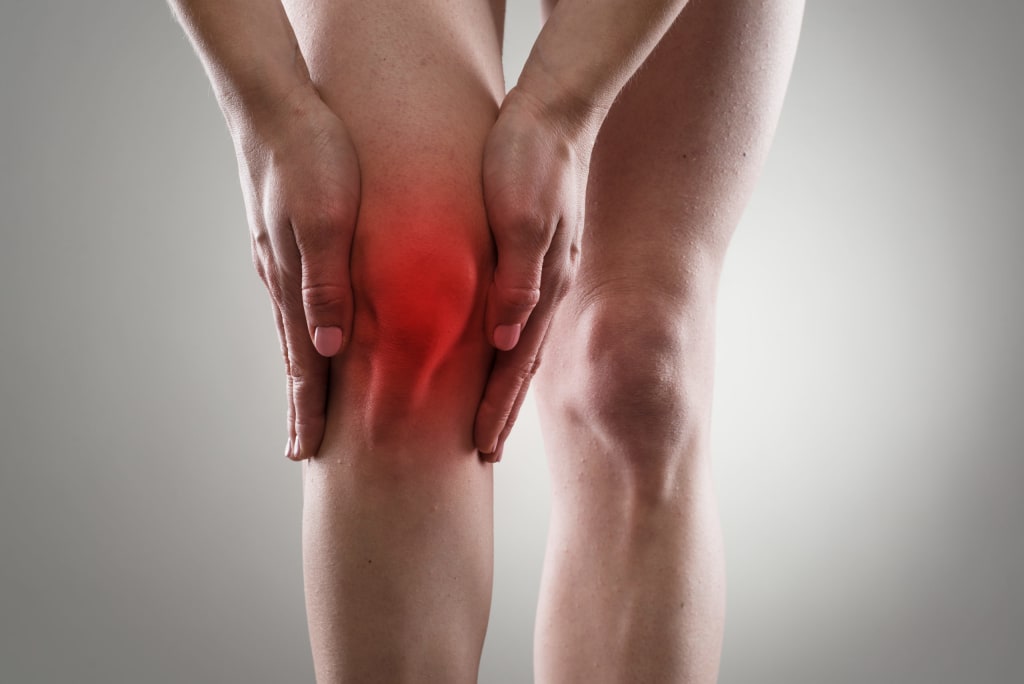
Contact Sports or Activities Intensively Engaging the Knee Joints
Degenerative Joint Diseases: Osteoarthritis is one of the most common causes of knee pain in older adults. It involves the gradual wear and tear of the cartilage in the joint, leading to pain, stiffness, and limited range of motion.
Arthritis: Rheumatoid arthritis (RA) and other forms of arthritis can cause chronic pain and swelling in the knees. In these cases, pain often occurs symmetrically in both knees.
Tendinopathies: Tendon inflammation, such as patellar tendonitis (jumper’s knee) or Achilles tendonitis, can lead to pain in the front of the knee.
Iliotibial Band Syndrome: Pain on the outer side of the knee, commonly seen in runners, may be caused by iliotibial band syndrome.
Bursitis: Bursae are small fluid-filled sacs that cushion the joints. Inflammation of these bursae (bursitis) can cause pain and swelling in the knee.
Diagnosing Knee Pain
Diagnosing knee pain typically begins with a detailed medical history and physical examination. The doctor may ask about the nature of the pain, its intensity, duration, and factors that exacerbate or alleviate it. It is also important for the patient to describe whether the pain appeared suddenly or developed gradually.

Additional Tests That May Aid in Diagnosis:
X-ray: Helps assess the condition of bones and joints, detect fractures, degenerative changes, or deformities.
Magnetic Resonance Imaging (MRI): Provides detailed images of soft tissues such as ligaments, tendons, muscles, and cartilage. It is particularly useful for diagnosing sports injuries.
Ultrasound (US): Allows evaluation of soft tissue structures like tendons and ligaments, and detection of fluid in the joint.
Arthroscopy: A diagnostic and therapeutic procedure involving the insertion of a camera into the joint to directly view the interior of the knee.
Treatment Methods for Knee Pain
Treatment for knee pain depends on its cause, severity, and the overall health of the patient. Here are the most common treatment methods:
Pharmacological Treatment: Use of pain relievers (e.g., acetaminophen), anti-inflammatory drugs (e.g., ibuprofen), and topical preparations such as ointments and gels.
Physical Therapy: Exercises to strengthen the muscles around the knee, improve flexibility, and range of motion. A physical therapist may also use manual techniques, ultrasound, laser therapy, or electrotherapy.
Lifestyle Changes: Weight reduction, avoiding activities that stress the knees, wearing appropriate footwear, and regular exercise can significantly improve knee conditions.
Injections: Corticosteroid injections can alleviate pain and inflammation. Other options include hyaluronic acid injections to improve joint lubrication, and platelet-rich plasma (PRP) injections to support tissue regeneration.
Surgery: In cases of severe injury or advanced osteoarthritis, surgical intervention may be necessary. Options include arthroscopy, ligament reconstruction, osteotomy, and knee joint replacement (arthroplasty).
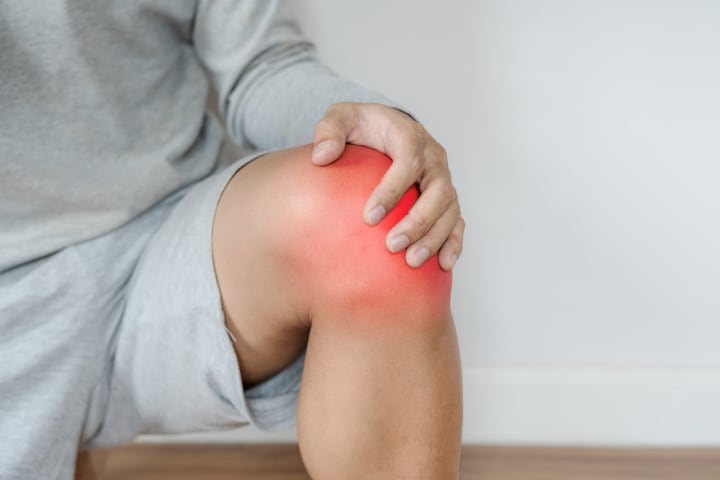
Knee Pain Prevention
To prevent knee pain, it is important to follow several guidelines:
Physical Activity: Engage in regular exercises that strengthen the muscles around the knee, such as squats, lunges, stationary cycling, and swimming.
Avoid Overuse: Minimize prolonged standing, sitting in one position, and excessive stress on the knees.
Proper Diet: Maintain a healthy, balanced diet rich in calcium and vitamin D to support bone health.
Weight Management: Keeping a healthy body weight reduces the strain on the knee joints.
Summary
Knee pain is a common issue that can arise from various causes. It is crucial to consult a healthcare professional if experiencing chronic pain or injuries, as they can help diagnose the cause and implement appropriate treatment. With proper prevention, treatment, and lifestyle changes, one can significantly improve comfort and quality of life by reducing knee pain.
About the Creator
Keep reading
More stories from Michał Suwaj and writers in Humans and other communities.
Review of "Pretty Woman"
A Classic Hollywood Romance "Pretty Woman" is a classic romantic comedy from 1990 that has achieved cult status, attracting audiences with its charming plot, charismatic characters, and unforgettable soundtrack. Directed by Garry Marshall, the film stars Julia Roberts as Vivian Ward and Richard Gere as Edward Lewis, creating one of the most memorable couples in cinema history.
By Michał Suwajabout a year ago in Criminal
Autonomy Is The Real Privilege
Good morning, freedom-seekers! Today we’re gonna be looking at autonomy. A strange word, I know; one many would probably look at blankly and run away from on sight. We’re gonna figure out what it actually means, consider how it’s achieved, and decipher just how deeply most of us are tangled up in dependence without realising it.
By That ‘Freedom’ Guyabout 19 hours ago in Humans
What to Expect From Intensive Outpatient Care for Recovery Support
Recovery is a process that requires consistency, structure, and the right level of professional support. For many individuals, intensive outpatient care offers a balanced approach that provides clinical treatment while allowing them to continue daily responsibilities. Understanding what this level of care includes can help people feel more prepared and confident when starting treatment.
By Jordan Blakeabout 20 hours ago in Humans




Comments (1)
Well detailed