
James Ransone and the Quiet Power of Uncomfortable Roles
Some actors arrive loudly. Others arrive slowly, almost unnoticed, until one day you realize they have been with you for years.

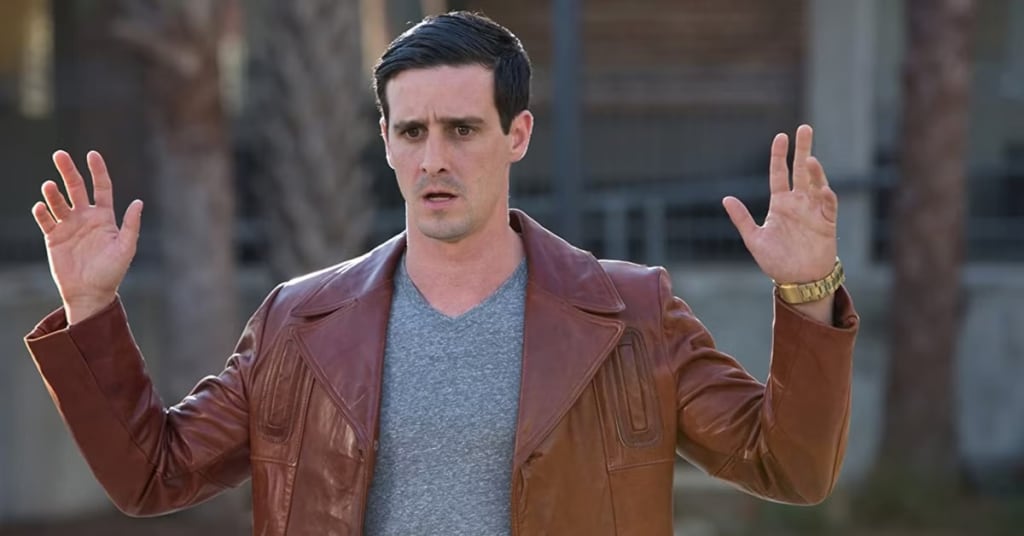
Some actors arrive loudly. Others arrive slowly, almost unnoticed, until one day you realize they have been with you for years. James Ransone belongs to the second kind. His face feels familiar before his name does. You remember his eyes first. Then the tension he brings into a scene. Then the silence he leaves behind after the scene ends.
James Ransone does not chase likability. He leans into discomfort, confusion, and emotional rough edges. That choice has shaped a career built on characters who feel real, flawed, and deeply human. This article explores how James Ransone built his place in film and television by choosing honesty over comfort, and why his work stays with viewers long after the screen fades to black.
Who Is James Ransone Beyond the Name
James Ransone is an American actor known for supporting roles that often steal attention without demanding it. He rarely plays heroes in the traditional sense. Instead, he lives in the space where people make bad decisions, hesitate, or fail quietly.
Born in Baltimore, his background feels connected to the kind of characters he plays. There is a grounded quality to his performances. He does not polish away roughness. He brings it forward.
Many viewers recognize him from television before realizing how wide his film work stretches. That slow recognition says a lot about his career. He blends into stories rather than standing outside them.
Early Career and Learning Through Small Roles
James Ransone began with smaller parts, often in independent films or short appearances on television. These roles did not bring instant fame, but they built skill.
Early work taught him restraint. When you are not the lead, you learn how to listen on screen. You learn how to react honestly instead of performing loudly.
Those lessons shaped his acting style. Even now, in larger projects, he often feels like someone truly present rather than someone acting.
Small roles also gave him freedom to experiment. He could play awkward, angry, or emotionally blocked characters without pressure to be appealing.
The Emotional Weight of Supporting Characters
Supporting characters often carry emotional truth. They reflect the consequences of the main story.
James Ransone understands this deeply. He uses limited screen time to show inner conflict rather than explain it.
For example, when he plays someone struggling with addiction or guilt, he does not rely on dramatic speeches. He uses posture, silence, and hesitation. These details invite the viewer to lean in.
This approach creates trust. You believe the character because nothing feels forced.
James Ransone in Television Drama
Television gave James Ransone space to build layered characters over time.
The Wire and a City’s Shadows
One of his most recognized roles came from a crime drama that focused on systems rather than heroes. His character reflected how institutions affect individuals.
He played a police officer who felt human before feeling heroic. Mistakes mattered. Fear showed. Ambition clashed with reality.
This role helped establish James Ransone as an actor willing to sit inside moral gray areas.
The Value of Long-Form Storytelling
Television allows characters to change slowly. James Ransone uses that time well.
Across episodes, his characters evolve through subtle shifts. A look becomes harder. A voice grows quieter. These changes feel earned.
Viewers often connect to these characters because they resemble real people more than scripted ones.
Film Roles That Leave a Mark
James Ransone’s film work often places him in intense emotional landscapes.
Independent Films and Emotional Risk
Independent films gave him opportunities to explore vulnerability without restraint.
In these projects, he often plays men dealing with loss, addiction, or isolation. These are not glamorous roles. They are honest ones.
He approaches them without judgment. This allows the audience to sit with discomfort instead of escaping it.
Horror and Psychological Tension
James Ransone has also appeared in horror and psychological films. These genres suit his ability to project unease.
He understands that fear is not always loud. Sometimes it lives in silence or uncertainty.
In these roles, his characters feel grounded. This realism makes the horror feel closer and more unsettling.
Why James Ransone Feels So Real on Screen
Many actors perform emotions. James Ransone seems to experience them.
This difference comes from restraint. He does not over-express. He allows emotions to remain partially hidden.
Real people rarely explain themselves fully. His characters mirror that truth.
This realism builds emotional connection. Viewers see pieces of themselves in his hesitation, frustration, or quiet hope.
The Courage to Be Unlikable
One reason James Ransone stands out is his willingness to play characters who are difficult to like.
These characters might be selfish, weak, or morally confused. Yet he plays them without apology.
This choice requires courage. Audiences often reward likable performances. James Ransone chooses honesty instead.
By doing so, he expands what viewers accept as meaningful storytelling.
Addiction, Grief, and Inner Conflict
Several of James Ransone’s roles deal with addiction or emotional collapse.
He does not romanticize these struggles. He shows their exhaustion.
For example, his portrayals often include moments of shame or relapse without dramatic framing. These moments feel quiet and heavy.
This approach respects the subject matter. It avoids simplification and invites empathy.
Working Within Ensembles
James Ransone works well in ensemble casts. He does not fight for attention.
Instead, he supports the rhythm of the group. This makes scenes feel balanced and alive.
Other actors often shine brighter when paired with him because he listens fully on screen.
This skill makes him a trusted presence in complex productions.
James Ransone and Masculinity Without Performance
Many of his roles explore masculinity without exaggeration.
He plays men who are unsure, vulnerable, or emotionally blocked. These portrayals challenge narrow ideas of strength.
He shows that masculinity can include fear, tenderness, and failure.
This quiet representation resonates with audiences who rarely see such honesty reflected.
The Power of Silence in His Performances
Silence is one of James Ransone’s strongest tools.
He knows when not to speak. He allows pauses to stretch.
In these moments, viewers project their own thoughts onto the character. This creates deeper engagement.
Silence also signals trust. He trusts the audience to feel without explanation.
Choosing Meaning Over Visibility
James Ransone does not chase constant visibility. His career choices suggest patience.
He appears when the role fits, not when attention demands it.
This selective presence adds weight to his performances. When he appears, it matters.
Audiences sense intention behind his work.
Aging on Screen With Honesty
As James Ransone grows older, his roles reflect maturity rather than nostalgia.
He does not cling to youth. He embraces change.
This honesty allows his characters to age naturally. They carry history in their faces and movements.
This makes long-time viewers feel connected across years.
Why James Ransone Appeals to Thoughtful Viewers
His work appeals to viewers who value depth over spectacle.
If you watch films or shows for emotional truth, James Ransone stands out.
He does not explain life. He shows it unfolding, often messily.
This approach rewards patience and reflection.
Recognition Without Noise
James Ransone has received praise, but not in loud waves.
His recognition comes from critics, collaborators, and loyal viewers.
This quieter acknowledgment suits his career. It mirrors his performances.
Sometimes the most meaningful respect comes without applause.
James Ransone in Modern Storytelling
Modern storytelling often focuses on flawed characters. James Ransone fits naturally into this landscape.
He represents a shift away from perfection and toward complexity.
His presence signals stories that care about people rather than images.
This makes his work feel relevant across genres.
The Emotional Aftertaste of His Roles
After watching a performance by James Ransone, something lingers.
It might be a line you cannot forget. Or a look that felt too real.
This emotional aftertaste is rare. It comes from sincerity.
His roles stay with viewers because they are not neatly resolved.
Why His Career Matters
James Ransone’s career matters because it proves there is space for quiet actors.
Not every career needs spectacle. Some are built on trust.
He shows that meaningful work can grow slowly and still reach deeply.
This example matters for future storytellers and performers.
Final Thoughts on James Ransone
James Ransone does not ask for attention. He earns it through presence.
His performances remind us that real life is complicated, unresolved, and often uncomfortable.
By choosing these truths, he builds characters that feel alive rather than designed.
In a world that often values noise, James Ransone offers something rare. He offers honesty.
About the Creator
Muqadas khan
Hi! Welcome to my Vocal page. I’ll be sharing fresh articles every day covering stories, ideas, and a bit of inspiration to brighten your feed. Thanks for reading and supporting daily writing! 📖💫
Keep reading
More stories from Muqadas khan and writers in Humans and other communities.
Australia Christmas Weather Forecast and the Feel of Summer Days
Christmas in Australia carries a feeling that surprises many people. While much of the world associates the season with cold air and heavy coats, Australians step into sunlight, warm breezes, and long afternoons. The australia christmas weather forecast is not just about temperatures or rain. It shapes how people plan gatherings, travel, and even emotions around the holiday. Families check forecasts with hope, not fear, wondering if the day will be calm or blazing hot. This article explores what the australia christmas weather forecast usually looks like, why it varies so much across the country, and how weather quietly influences the way Australians experience Christmas each year.
By Muqadas khan29 days ago in Humans
Late Night Thoughts Part 2
Last Night I Did not sleep, which if you know me well that should not surprise you. The Last Time I had Late Night thoughts I wrote 4 books about them and published them on amazon. And while I do not regret writing or publishing those books they are not me anymore. Not even in the slightest.
By Amanda Nicole2 days ago in Humans


Comments
There are no comments for this story
Be the first to respond and start the conversation.