
Infidelity Explained: Understanding Its Causes and Effects
Explore the complexities of infidelity in relationships, its underlying causes, and its impact on partners.

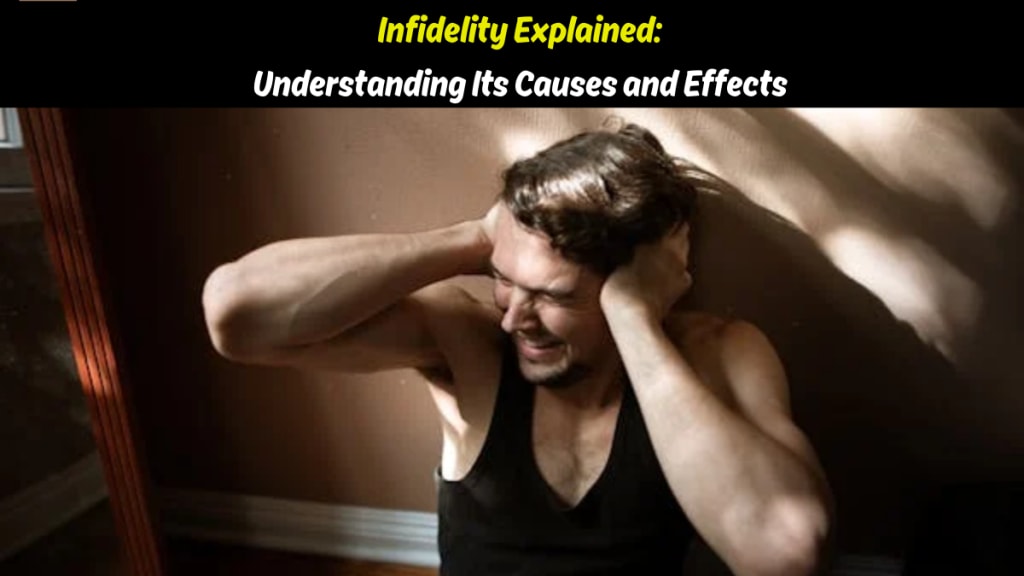
Infidelity is a complex and often painful issue that affects many relationships. It can lead to emotional turmoil, distrust, and the potential breakdown of partnerships. Understanding the causes and effects of infidelity is crucial for individuals and couples navigating these challenging waters. This article will delve into the different types of infidelity, its psychological and emotional underpinnings, and the effects it can have on relationships.
What is Infidelity?
Defining Infidelity
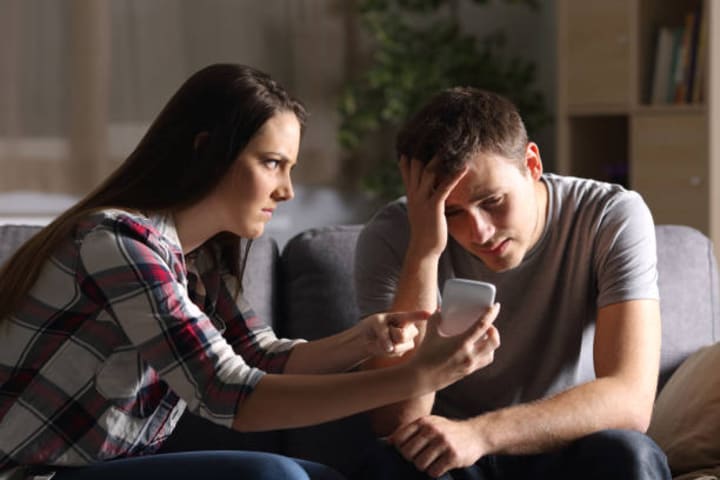
Infidelity, often referred to as cheating, typically involves a breach of trust in a romantic relationship. It can take various forms, including emotional affairs, physical affairs, and online relationships. While the definition may vary between individuals and cultures, infidelity generally entails a partner engaging in a romantic or sexual relationship outside the primary partnership.
Types of Infidelity
Emotional Infidelity:
This occurs when one partner forms a deep emotional connection with someone outside the relationship. It often involves sharing intimate thoughts and feelings, leading to a sense of betrayal for the other partner.
Physical Infidelity:
This type involves sexual activity with someone other than one’s partner. Physical infidelity is often what people think of first when discussing cheating, and it can have severe emotional repercussions.
Online Infidelity:
With the rise of technology, online infidelity has become more common. This includes engaging in romantic or sexual conversations through social media, dating apps, or other online platforms.

Causes of Infidelity
Understanding the reasons behind infidelity can provide insights into the complexities of relationships. Here are some common causes:
1. Lack of Emotional Connection
Diminished Intimacy
When partners stop connecting emotionally, one or both may seek that connection elsewhere. Emotional neglect can lead individuals to find solace and understanding outside their primary relationship, making them vulnerable to infidelity.
2. Unmet Needs
Desire for Validation
Sometimes, individuals cheat because their emotional or physical needs are not being met in their current relationship. This can include a lack of affection, intimacy, or appreciation, prompting them to seek those experiences outside the partnership.
3. Boredom
Seeking Excitement
Monotony in a relationship can lead to boredom. Some individuals may seek excitement and novelty outside their relationship, viewing infidelity as a way to regain a sense of thrill and adventure.
4. Opportunity
Circumstantial Factors
In some cases, infidelity occurs due to circumstances that provide an opportunity for cheating. This could include traveling for work, social situations, or simply being in an environment where temptation is present.
5. Individual Factors
Personal Issues
Individual psychological issues, such as low self-esteem, depression, or attachment styles, can also contribute to infidelity. People may cheat as a way to cope with their emotional struggles or to assert their desirability.
The Effects of Infidelity
1. Emotional Pain
Trauma for Partners
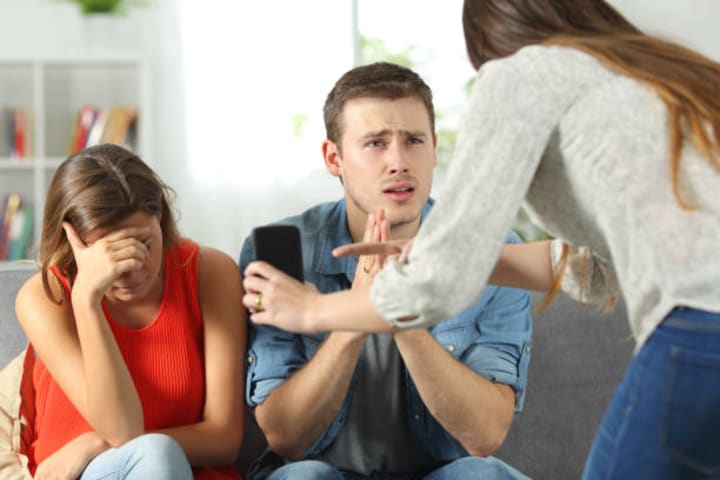
Infidelity often results in deep emotional pain for the betrayed partner. Feelings of hurt, anger, and betrayal can lead to lasting trauma and impact the individual's mental health.
2. Trust Issues
Erosion of Trust
Once infidelity occurs, rebuilding trust can be one of the toughest challenges for couples. The betrayed partner may struggle to trust again, not just in their partner but in future relationships as well.
3. Relationship Breakdown
Potential for Separation
Infidelity can lead to the breakdown of the relationship, with many couples choosing to separate or divorce. The emotional fallout can create an irreparable rift between partners, making it difficult to move forward together.
4. Impact on Children
Family Dynamics
If children are involved, infidelity can affect family dynamics. Kids may struggle with the emotional aftermath, and the stress can disrupt their sense of security and stability.
5. Personal Growth and Reflection
Opportunities for Change
While infidelity can be devastating, it can also catalyze personal growth and reflection. Some couples may emerge stronger after addressing the underlying issues that led to infidelity, leading to deeper intimacy and understanding.

Strategies for Healing After Infidelity
1. Open Communication
Encouraging Honest Dialogue
Communication is vital in addressing the aftermath of infidelity. Both partners should feel safe expressing their feelings, whether it’s anger, sadness, or confusion. Honest dialogue can help clarify emotions and needs, paving the way for healing.
2. Seeking Professional Help
Therapy and Counseling
Couples therapy can be incredibly beneficial in the aftermath of infidelity. A trained therapist can help navigate the complex emotions involved, facilitating discussions that might be too difficult to handle alone.
3. Rebuilding Trust
Establishing Transparency
Rebuilding trust takes time and effort. The partner who cheated must be transparent about their actions and willing to answer questions. This openness can help the betrayed partner feel more secure over time.
4. Setting Boundaries
Creating Safe Spaces
Setting clear boundaries can help both partners feel safer as they work through their issues. Discussing what is acceptable moving forward can prevent further misunderstandings and foster a sense of security.
5. Focusing on Self-Care
Prioritizing Individual Well-Being
Both partners should prioritize their own emotional and mental well-being. Engaging in self-care activities, such as exercise, hobbies, or spending time with friends, can help individuals cope with the emotional fallout of infidelity.

Conclusion
Infidelity is a challenging and often painful experience that can have lasting effects on relationships. Understanding its causes—such as emotional disconnection, unmet needs, boredom, and opportunity—can provide valuable insights for couples. The emotional fallout from infidelity can lead to trust issues, relationship breakdowns, and personal pain.
However, it is essential to recognize that infidelity can also offer growth opportunities. Couples who confront the underlying issues may emerge stronger and more connected. Open communication, seeking professional help, rebuilding trust, setting boundaries, and focusing on self-care are critical strategies for healing.
Ultimately, navigating the complexities of infidelity requires patience, understanding, and a willingness to change. By addressing the challenges together, couples can work towards rebuilding their relationship and fostering a deeper emotional bond.
FAQs
- What are the main types of infidelity?
The main types of infidelity include emotional infidelity, physical infidelity, and online infidelity. Each type involves different forms of betrayal that can significantly impact a relationship.
- What are the common causes of infidelity?
Common causes include lack of emotional connection, unmet needs, boredom, circumstantial opportunities, and individual psychological issues. Understanding these factors can help couples address underlying problems.
- How does infidelity affect trust?
Infidelity often leads to a significant erosion of trust between partners. Rebuilding trust can be one of the most challenging aspects of recovering from infidelity, requiring transparency and consistent effort.
- What should couples do after an affair?
Couples should prioritize open communication, seek professional help, and focus on rebuilding trust. Establishing clear boundaries and engaging in self-care are also vital for healing.
- Can relationships survive infidelity?
Yes, many relationships can survive infidelity. While it’s challenging, addressing underlying issues, committing to change, and working together can lead to stronger connections and deeper intimacy.
Short Note for Unsplash and Pexels
For high-quality images to enhance your article on infidelity, visit Unsplash and Pexels. Both platforms offer a variety of free images that can visually complement your content.
If you found this article helpful and want to enhance your relationships even further, explore more insightful articles on our site! Discover tips, strategies, and advice tailored to help you navigate love and communication. Dive in now and unlock the benefits of healthier connections! Click Here….
>>>>>>>……...The End……>>>>>>>
About the Creator
Abdul Jamil Nasir
Hello! I’m Abdul Jamil Nasir, a passionate writer exploring life, love, and culture. I focus on relationships, personal growth, and human emotions, believing in the power of words to inspire and connect with readers.
Keep reading
More stories from Abdul Jamil Nasir and writers in Humans and other communities.
How Jealousy Affects Relationships: Insights and Strategies
Jealousy is a powerful emotion that can significantly affect relationships. While it's a natural response to perceived threats, when left unchecked, it can lead to misunderstandings, conflicts, and even the end of partnerships. Understanding how jealousy operates and its effects on relationships is crucial for couples seeking to build and maintain a healthy connection. This article will delve into the nature of jealousy, and its impact on relationships, and provide practical strategies for managing it effectively.
By Abdul Jamil Nasirabout a year ago in Humans
Finding Joy And Freedom While Embracing The Beauty Of Singles Life
Being single provides one with a special chance of rediscovering yourself without a relationship. The termination of a union or the decision to stay single may come as an emotional life cleaning to many individuals. Being relieved of the obligations to address the schedule, preferences, or mood of another person, people can enjoy the liberty of becoming more interested in their personal interests, passions, and dreams. This time enables the process of self-reflection when the singles can recognize their values, limits, and wants on a more profound level.
By Mark Hipster2 days ago in Humans
Review of 'Man on the Run'
My wife and I saw Man on the Run, a nearly 2-hour documentary on Amazon Prime, about Wings, Paul McCartney's group that flew around the world from shortly after The Beatles broke up in early 1970 to shortly after John Lennon was murdered at the end of 1980, making a Beatles reunion forever impossible.
By Paul Levinson6 days ago in Beat




Comments
There are no comments for this story
Be the first to respond and start the conversation.