
How Jealousy Affects Relationships: Insights and Strategies
Explore the impact of jealousy on relationships and discover effective strategies to manage it.

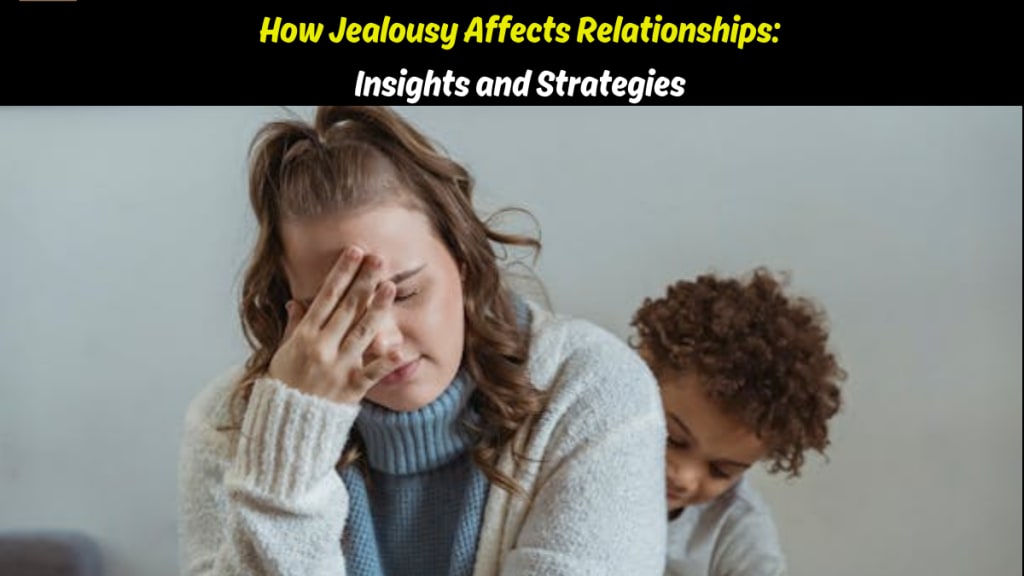
Jealousy is a powerful emotion that can significantly affect relationships. While it's a natural response to perceived threats, when left unchecked, it can lead to misunderstandings, conflicts, and even the end of partnerships. Understanding how jealousy operates and its effects on relationships is crucial for couples seeking to build and maintain a healthy connection. This article will delve into the nature of jealousy, and its impact on relationships, and provide practical strategies for managing it effectively.

Understanding Jealousy
What is Jealousy?
Jealousy is an emotional reaction when individuals perceive a threat to a valued relationship. This threat can come from various sources, including another person, a situation, or even personal insecurities. Jealousy often includes feelings of inadequacy, fear of loss, and anxiety, making it a complex emotion that varies in intensity from mild discomfort to intense rage.
Common Triggers of Jealousy
Several factors can trigger jealousy in relationships:
- Insecurity: Low self-esteem can amplify feelings of jealousy, making individuals doubt their partner’s commitment.
- Past Experiences: Previous betrayals or negative experiences can make individuals more sensitive to perceived threats.
- Social Comparison: Comparing oneself to others, particularly on social media, can lead to feelings of inadequacy and jealousy.
- Lack of Communication: Poor communication can lead to misunderstandings, fueling jealous feelings.
- Fear of Abandonment: Anxious attachment styles often contribute to heightened jealousy.

The Impact of Jealousy on Relationships
1. Trust Erosion
Undermining Relationship Foundations
One of the most significant effects of jealousy is the erosion of trust. When jealousy becomes prevalent, partners may start to doubt each other's loyalty and commitment. This lack of trust can create a cycle of insecurity and suspicion, making it challenging to maintain a healthy relationship.
2. Communication Breakdown
Creating Distance Between Partners
Jealousy can lead to communication breakdowns. Instead of discussing feelings openly, individuals may withdraw or become defensive. This withdrawal can prevent couples from addressing the root causes of jealousy, leading to further misunderstandings and resentment.
3. Emotional Turmoil
Affecting Mental Well-Being
Jealousy can cause significant emotional turmoil for both partners. The jealous individual may experience anxiety, anger, and sadness, while the partner may feel overwhelmed and frustrated. This emotional distress can affect overall relationship satisfaction and individual mental health.
4. Increased Conflict
Frequent Arguments and Tension
Jealousy often leads to increased conflict within relationships. Small issues can escalate into major arguments, driven by underlying feelings of jealousy. Over time, this constant conflict can create a toxic environment, making it difficult for couples to enjoy their time together.
5. Impact on Intimacy
Diminishing Connection
Jealousy can negatively affect physical and emotional intimacy in relationships. When one partner feels jealous, it can lead to distance and disengagement. This withdrawal can create a cycle where intimacy decreases, further fueling feelings of jealousy and insecurity.

Strategies for Managing Jealousy
1. Open Communication
Fostering Honest Dialogue
One of the most effective strategies for managing jealousy is fostering open communication. Partners should create a safe space to express their feelings, including insecurities and fears. By discussing these emotions openly, couples can address underlying issues and prevent misunderstandings from escalating.
2. Build Trust
Establishing a Secure Foundation
Building trust is essential in combating jealousy. Couples should focus on being reliable and honest with each other. Engaging in activities that promote bonding can strengthen the relationship and reinforce both partners’ sense of security.
3. Set Boundaries
Defining Relationship Limits
Establishing clear boundaries can help alleviate feelings of jealousy. Partners should discuss what behaviors are acceptable and what may trigger insecurities. Respecting these boundaries fosters trust and reassurance in the relationship.
4. Self-Reflection
Understanding Personal Triggers
Self-reflection is crucial in managing jealousy. Individuals should take time to understand their feelings and identify what triggers their jealousy. By becoming aware of these triggers, individuals can communicate their needs to their partners more effectively.
5. Focus on Self-Improvement
Enhancing Personal Confidence
Encouraging self-improvement can reduce feelings of jealousy. Partners should support each other in building self-esteem and pursuing personal goals. When individuals feel confident and secure in themselves, they are less likely to feel threatened by others.

Analytic Report on Jealousy and Relationship Management
Jealousy can significantly impact relationships, leading to trust erosion, communication breakdowns, emotional turmoil, increased conflict, and diminished intimacy. To combat these effects, couples should focus on:
- Open Communication: Creating a safe space for honest discussions.
- Building Trust: Engaging in reliable and transparent behavior.
- Setting Boundaries: Defining acceptable behaviors and respecting them.
- Self-Reflection: Understanding personal triggers for jealousy.
- Focusing on Self-Improvement: Supporting each other’s personal growth.
By addressing jealousy through these strategies, couples can work together to strengthen their relationship.
Conclusion
Jealousy is a complex emotion that can profoundly affect relationships. While it is a natural response to perceived threats, unchecked jealousy can lead to significant issues, including trust erosion, communication breakdowns, and emotional turmoil. Understanding the nature of jealousy and its impact on relationships is essential for couples seeking to navigate this challenging emotion.
Implementing effective strategies, such as open communication, building trust, setting boundaries, engaging in self-reflection, and focusing on self-improvement, can help couples manage jealousy constructively. By fostering a supportive environment where both partners feel secure and valued, couples can mitigate the negative effects of jealousy and strengthen their emotional connection.
Ultimately, overcoming jealousy requires commitment and effort from both partners. By working together to address insecurities and fears, couples can transform jealousy from a destructive force into an opportunity for growth and deeper intimacy.
FAQs
1- What are common signs of jealousy in a relationship?
Common signs include increased suspicion, possessiveness, emotional outbursts, social media monitoring, and comparing oneself to others. Recognizing these signs can help partners address the underlying issues of jealousy.
2- How can I communicate about jealousy with my partner?
Use “I” statements to express your feelings without blaming your partner. Create an open dialogue where both partners feel safe discussing emotions. This approach fosters understanding and helps address concerns collaboratively.
3- Is jealousy a normal emotion in relationships?
Yes, jealousy is a common emotion in relationships. It can arise from insecurity or fear of losing a partner. However, it’s essential to address it constructively to prevent damage to the relationship.
4- What should I do if my partner is jealous?
If your partner is experiencing jealousy, encourage open communication. Listen to their feelings and validate their concerns. Discussing the issue together can help address the underlying insecurities and strengthen your bond.
5- When is it necessary to seek professional help for jealousy?
If jealousy becomes overwhelming, leads to constant conflict, or results in significant emotional distress, it may be time to seek professional help. Therapy can provide tools for managing jealousy and improving communication.
Short Note for Unsplash and Pexels
For high-quality images to enhance your article on jealousy and relationships, visit Unsplash and Pexels. Both platforms offer a variety of free images that can visually complement your content.
If you found this article helpful and want to enhance your relationships even further, explore more insightful articles on our site! Discover tips, strategies, and advice tailored to help you navigate love and communication. Dive in now and unlock the benefits of healthier connections! Click Here….
>>>>>>>……...The End….…>>>>>>>
About the Creator
Abdul Jamil Nasir
Hello! I’m Abdul Jamil Nasir, a passionate writer exploring life, love, and culture. I focus on relationships, personal growth, and human emotions, believing in the power of words to inspire and connect with readers.
Keep reading
More stories from Abdul Jamil Nasir and writers in Humans and other communities.
Healthy Strategies to Manage Jealousy in Your Relationship
Jealousy is a common emotion that can arise in any relationship. While it is a natural feeling, unchecked jealousy can lead to misunderstandings, conflicts, and emotional distress. Healthy managing jealousy in a healthy way is crucial for maintaining a strong and trusting relationship. This article will explore the causes of jealousy, and its effects, and provide practical strategies to manage it effectively.
By Abdul Jamil Nasirabout a year ago in Humans



Comments
There are no comments for this story
Be the first to respond and start the conversation.