
If Humans Are the Most Intelligent, Why Do They Create Destruction?
Exploring the Paradox of Human Ingenuity and the Consequences of Unchecked Power

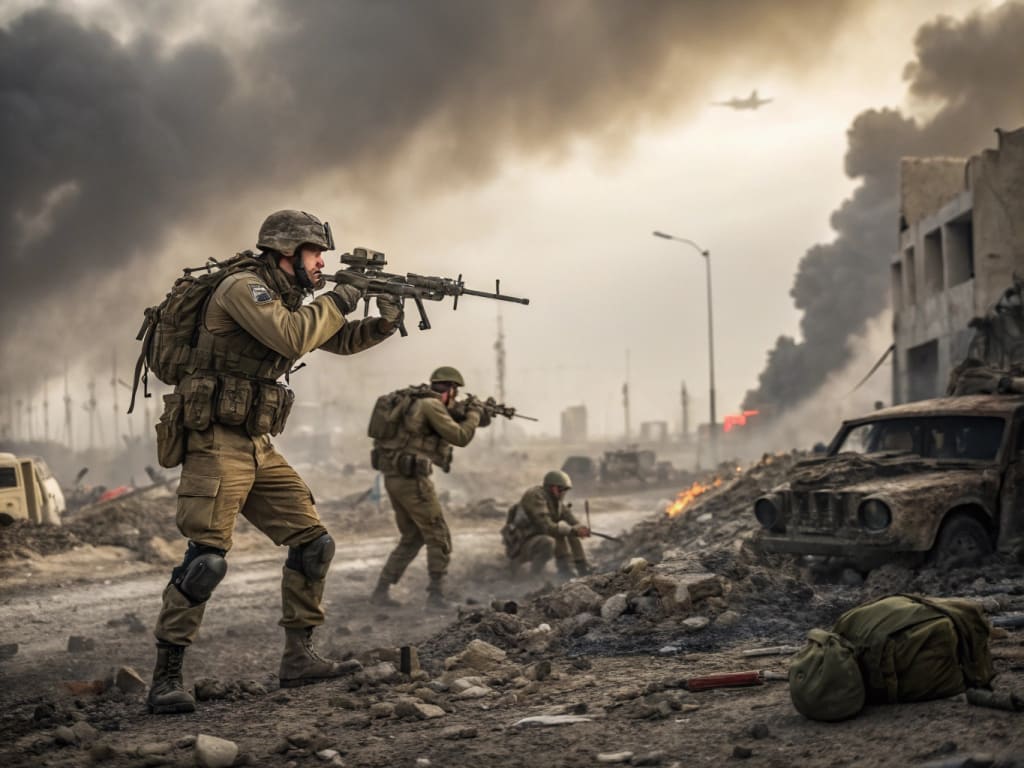
Humanity has long been regarded as the most intelligent species on Earth. With our advanced technology, ability to communicate through complex languages, and unparalleled problem-solving skills, it’s easy to see why humans are often considered the most intellectually advanced creatures. However, when we look at the darker side of human history, particularly the creation of destructive weapons like the atomic bomb and the perpetuation of war, a troubling question arises: If humans are so intelligent, why have they made the atom bomb and continued to wage war?
This question highlights a significant gap between intelligence and wisdom. Intelligence, in the strictest sense, refers to the ability to learn, understand, and apply knowledge. Wisdom, on the other hand, involves making thoughtful, ethical decisions, often with a long-term perspective. While humans certainly possess intelligence, the actions that have led to the creation of weapons of mass destruction and the continuation of war suggest a profound failure in applying wisdom to our actions.
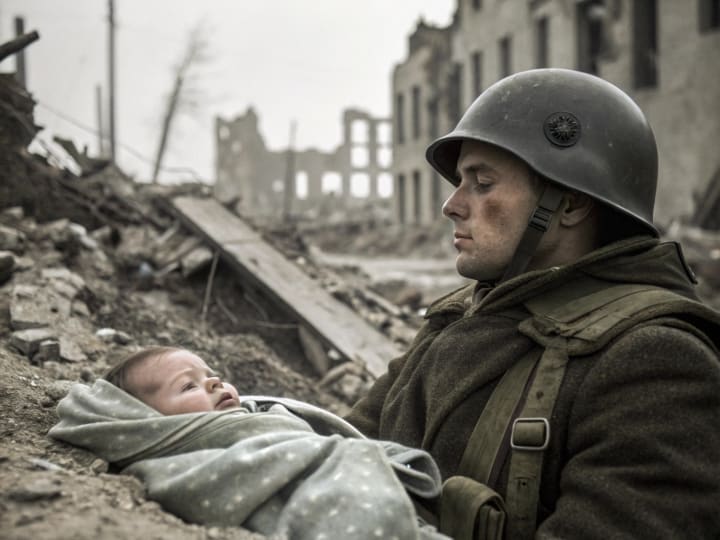
The Atomic Bomb: A Product of Human Intelligence
The atomic bomb represents one of the most powerful and terrifying outcomes of human scientific achievement. The bomb was developed during World War II as part of the Manhattan Project, driven by the fear that Nazi Germany might be the first to create such a weapon. The decision to build the bomb, though based on a complex series of scientific and military concerns, was also motivated by the desire to end the war swiftly. The U.S. dropped atomic bombs on the Japanese cities of Hiroshima and Nagasaki in 1945, killing over 100,000 people instantly and causing long-term suffering for many more.

The creation of the atomic bomb was a monumental leap in scientific understanding, with scientists achieving something that seemed impossible before. The underlying scientific principle — the release of energy from the splitting of an atom — had been known for some time, but it was only through the work of physicists like Albert Einstein, Niels Bohr, and others that the bomb was finally realized. The ability to harness such an immense amount of energy was a testament to human ingenuity. However, this same intelligence led to the ability to destroy entire cities in an instant.
In this case, the application of intelligence was not tempered by wisdom. Scientists involved in the Manhattan Project were aware of the potential consequences, but they were driven by the urgency of the war. The atomic bomb became a symbol of both human brilliance and human folly, as the world learned just how destructive human intelligence could be when used irresponsibly.

War: The Continuation of Conflict
The creation of the atomic bomb wasn’t an isolated event. It is part of a much larger history of human conflict and violence that spans thousands of years. Despite our technological advancements, war has remained a constant feature of human society. Throughout history, wars have been fought for numerous reasons: territorial expansion, resources, religion, ideology, and political power. Even in modern times, with the advent of diplomacy, international organizations, and global communication, the world still faces frequent conflicts.
One reason that war persists, even in an age of advanced technology and knowledge, is the failure to resolve disputes peacefully. Although humans are capable of remarkable feats of cooperation, we also struggle with deep-seated rivalries, egos, and nationalistic pride. Political leaders, driven by a desire to maintain power or achieve personal gain, often resort to war as a means of resolving conflicts. Furthermore, fear and insecurity can push nations into conflicts, as they seek to protect themselves from perceived threats.
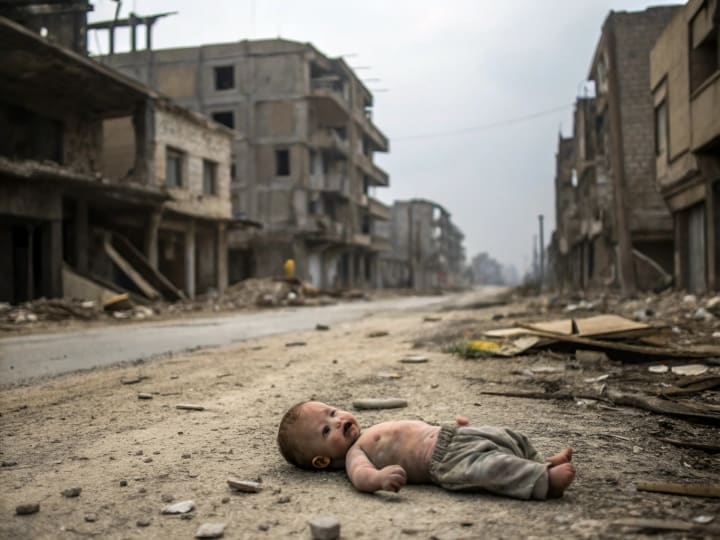
The persistence of war also reflects the darker aspects of human nature: greed, hatred, and ego. Despite our intelligence, we have often failed to learn from history or to prioritize peace over conquest. The Cold War, which saw the U.S. and the Soviet Union amass vast nuclear arsenals, is a prime example of how intelligence and technological superiority were applied to the threat of mutual destruction rather than to peace. The presence of nuclear weapons didn’t lead to cooperation but instead to an arms race driven by fear and the desire to maintain an upper hand.
The Gap between Intelligence and Wisdom
The question of why humans have created the atomic bomb and continue to wage war highlights the distinction between intelligence and wisdom. Intelligence is the capacity to acquire and apply knowledge, but wisdom involves the application of that knowledge in a way that benefits society as a whole. While humans have demonstrated unparalleled intelligence in many fields, from medicine to space exploration, we have often failed to apply that intelligence in ways that promote peace, harmony, and sustainability.
Wisdom involves recognizing the potential consequences of our actions and considering the long-term impact on others. It requires empathy, moral clarity, and an understanding of how our decisions affect not only our immediate surroundings but the world at large. The creation of the atomic bomb and the ongoing existence of war demonstrate a lack of these qualities.
Moreover, intelligence can be a double-edged sword. While it allows us to achieve great things, it also provides us with the means to cause significant harm. In the case of the atomic bomb, the same intelligence that allowed humans to split the atom also led to the development of a weapon capable of wiping out entire civilizations. This paradox reflects the dangers of intelligence without ethical responsibility.
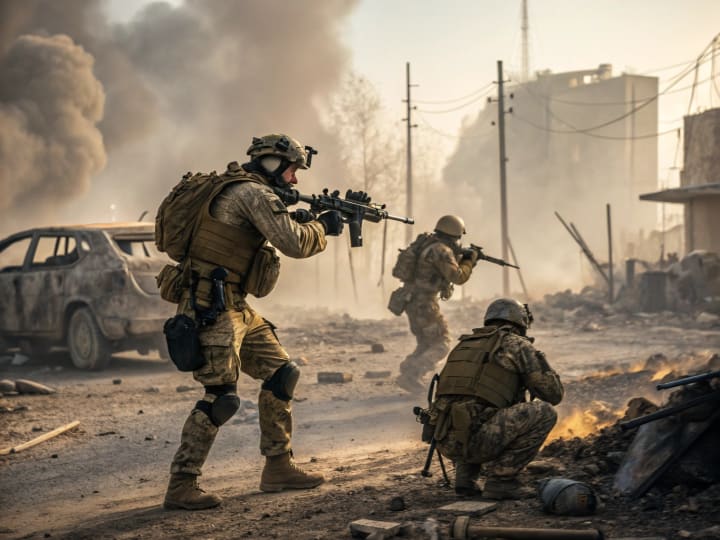
A Call for Responsible Intelligence
If humans are to truly live up to their potential as the most intelligent species on Earth, there must be a greater emphasis on applying intelligence with wisdom. This means prioritizing peace over conflict, cooperation over competition, and long-term sustainability over short-term gain. It also requires a shift in how we view power and success. Rather than measuring success by military dominance or technological achievement, we should measure it by our ability to foster understanding, empathy, and cooperation among people.
The creation of the atomic bomb and the continuation of war are reminders of what happens when intelligence is not guided by wisdom. They are lessons in the dangers of unchecked ambition and the importance of considering the broader consequences of our actions. As we move forward, it is crucial that we learn from the mistakes of the past and apply our intelligence to solve the world's most pressing challenges, not to exacerbate them.
In conclusion, while humans may indeed be the most intelligent creatures on Earth, intelligence alone is not enough to ensure a peaceful and prosperous future. It is the application of that intelligence with wisdom, empathy, and ethical responsibility that will determine whether humanity uses its incredible potential for good or allows it to lead to further destruction. The creation of the atomic bomb and the continuation of war serve as powerful reminders that intelligence, when divorced from wisdom, can lead to catastrophic consequences. The challenge now is to find ways to apply our intelligence in ways that promote peace, understanding, and the well-being of all.
About the Creator
G.M. Rayhan
I'm G.M. Rayhan, a Journalist and content writer covering trending news from around the world. I deliver timely, engaging, and reliable stories that inform and inspire readers to stay connected with global events and viral topics.
Keep reading
More stories from G.M. Rayhan and writers in Humans and other communities.
The Big Bang Theory: Revealing the Origins of the Universe
The universe we occupy is immense, enigmatic, and perpetually changing. But what initiated it all? The prevailing explanation in contemporary science regarding the universe's origin is the Big Bang Theory. This cosmological framework posits that the universe commenced approximately 13.8 billion years ago, emerging from an extremely hot and dense state and has been expanding ever since.
By G.M. Rayhan10 months ago in Humans
A Pachelbel Canon Night
When I was writing my first book, the world around me was asleep, and I was awake in the wonder of the light. Every guidance was in the nuance of the living form. I had a house then and not much else, but I had a room for which to grow and live, and everything else was a beam of light to see by. I lived in prayer, in meditation, and there was no radical transformation. It was more of a sifting and taking it all in.
By Canuck Scriber Lisa Lachapelle25 days ago in Humans


Comments
There are no comments for this story
Be the first to respond and start the conversation.