
Human or bot?
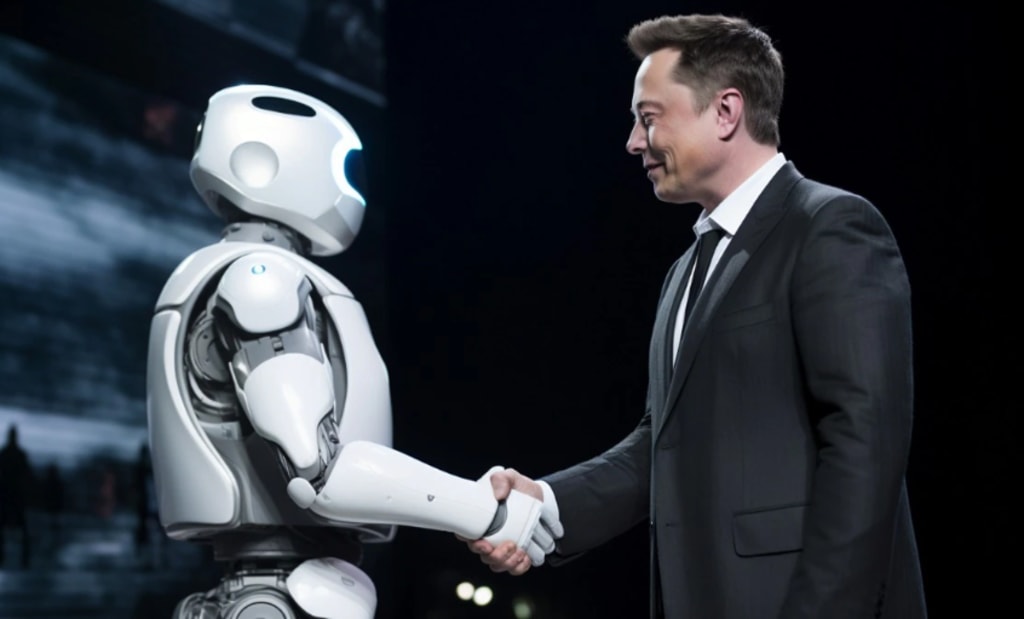
A Clash of Perspectives: Elon Musk and Jack Ma Discuss AI and Humanity

A Clash of Perspectives: Elon Musk and Jack Ma Discuss AI and Humanity
In 2019, two of the world’s most influential minds—Elon Musk, the driving force behind Tesla and SpaceX, and Jack Ma, the visionary founder of Alibaba—shared the stage at the World Artificial Intelligence Conference (WAIC). Their conversation revolved around artificial intelligence (AI), its implications for humanity, and the future of the world as we know it. What made this dialogue memorable was not just their insights but the stark contrast in their views.
Elon Musk: A Cautious Realist
Elon Musk has consistently voiced concerns about the unchecked growth of AI, and this discussion was no different. He emphasized the importance of taking AI seriously due to its potential to evolve beyond human understanding and control.
1. AI’s Risk to Humanity:
Musk described AI as a double-edged sword that could lead to unparalleled advancements but also pose existential risks. He urged governments and organizations to regulate AI development rigorously to prevent unintended consequences.
“Artificial intelligence could surpass human intelligence faster than most people expect. If we don’t manage it carefully, the results could be catastrophic.”
2. Human Vulnerability:
Musk expressed that humans, despite their ingenuity, are limited in their ability to adapt quickly to the rapid advancements AI could bring. This imbalance, he argued, might leave humanity unprepared for the consequences.
3. Economic and Social Disruption:
Musk highlighted the transformative impact AI would have on industries and employment. Automation, he argued, could displace large sections of the workforce, necessitating new societal structures like Universal Basic Income to address the imbalance.
“Machines will handle both physical and cognitive tasks more efficiently than us. The challenge lies in how society adapts to this shift.
Jack Ma: A Hopeful Optimist
In contrast, Jack Ma presented a more upbeat perspective on AI. Rather than viewing it as a threat, he described it as a tool to enhance human potential and solve global challenges.
1. AI as a Partner:
Ma firmly believed that AI would never replace the creativity, emotions, and intuition that make humans unique. Instead, he saw it as a means to amplify human capabilities.
“Machines will never have a soul or emotions. These are qualities that define humanity, and they will always set us apart.”
2. Opportunities for Growth:
Ma argued that AI could open doors to opportunities previously unimaginable, allowing people to focus on creative, innovative, and meaningful pursuits while machines handle repetitive tasks.
“Technology has always created more jobs than it has destroyed. AI will be no different—it will inspire new industries and professions.”
3. Focus on Earth’s Problems:
While Musk spoke about colonizing Mars to safeguard humanity’s future, Ma insisted that solving Earth’s existing challenges should take precedence.
“Why look to Mars when we have so many issues to address here? Earth is still the best home for humans.”
Key Highlights of Their Exchange
1. The Future of AI:
Musk viewed AI as a potential existential threat if mismanaged, while Ma saw it as a transformative force for good. Their differing stances underscored the duality of AI’s impact on society.

Musk: “AI will become smarter than humans, and we need to be ready.”
Ma: “Humans are resourceful and adaptable—we will find ways to coexist with AI.”
2. Mars Versus Earth:
Musk passionately advocated for interplanetary exploration, stating that becoming a multi-planetary species is essential for survival. Ma, however, argued that our focus should remain on improving life on Earth.
Musk: “Humanity needs a backup plan. Mars could be our second home.”
Ma: “Instead of escaping, let’s invest in making Earth a better place.”
3. Work and creativity:
Musk predicted that automation would redefine the nature of work, potentially leaving many without jobs. Ma countered by emphasizing the human ability to adapt and innovate, suggesting that AI could liberate people to pursue creative endeavors.
Musk: “Most jobs as we know them will become obsolete.”
Ma: “With AI handling routine tasks, humans will have more freedom to focus on what
truly matters—creativity and connection.”
Two Divergent Futures
The discussion between Musk and Ma captured two fundamentally different visions of the future. Musk’s warnings about AI’s potential dangers served as a call for caution and preparation, while Ma’s optimism highlighted the opportunities AI could unlock when used responsibly.
Their exchange was more than just a debate—it was a thought-provoking exploration of humanity’s choices in the face of rapid technological evolution. Whether one sides with Musk’s pragmatism or Ma’s positivity, their conversation underscored the importance of shaping AI’s development to benefit humanity as a whole.
What lessons can we take from this dialogue? Perhaps the truth lies somewhere in between—a blend of vigilance and hope as we embrace the incredible possibilities of AI.
About the Creator
Ahmad Mehmood
Is a journalist.Has a PhD in psychology.Is an excellent writer.Is interested in world politics.Prefers articles to be rewritten in a conversational tone
Keep reading
More stories from Ahmad Mehmood and writers in Humans and other communities.
Using Salt for Protection and Purification: Baths, Bowls, and Barriers.
For millennia, salt has been more than just a culinary staple. Across cultures and spiritual traditions, it has been revered as a potent tool for protection and purification. From warding off negative energies to cleansing physical spaces, salt's perceived power stems from its inherent properties – its ability to absorb moisture, cleanse, and even preserve. Whether you are seeking a sense of inner peace, wanting to protect your home, or looking to purify your aura, salt can be a readily available and effective ally. This article will explore three primary methods of utilizing salt for protection and purification: salt baths, salt bowls, and salt barriers.
By Wilson Igbasi5 days ago in Humans



Comments
There are no comments for this story
Be the first to respond and start the conversation.