
“How to Manage Your Stress : Explore different relaxation therapies.“
Exploring different relaxation therapies can be an effective way to manage stress, improve mental and physical health, and enhance overall well-being.

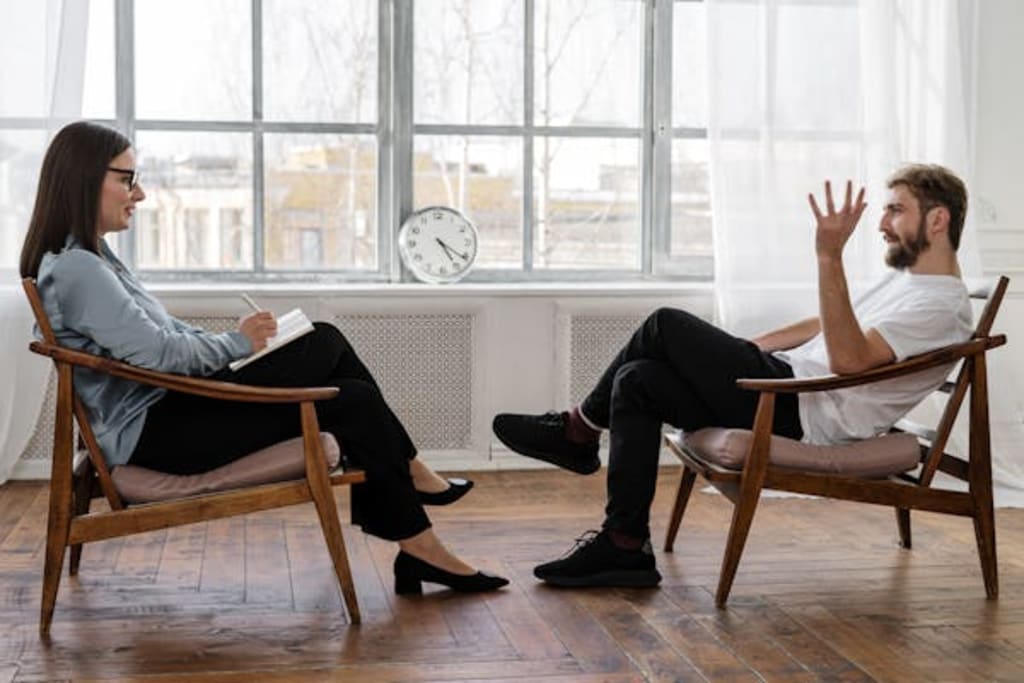
Exploring different relaxation therapies can be an effective way to manage stress, improve mental and physical health, and enhance overall well-being. These therapies encompass a variety of techniques designed to help you relax, reduce tension, and achieve a state of calm.
Here’s an in-depth look at several popular relaxation therapies, their benefits, and how to incorporate them into your life.
1. Progressive Muscle Relaxation (PMR)
Description: Progressive Muscle Relaxation is a technique developed by Dr. Edmund Jacobson that involves tensing and then slowly releasing different muscle groups in the body. This practice helps to identify and alleviate physical tension.
Benefits:
Reduces physical tension and promotes relaxation.
Enhances awareness of bodily sensations.
Can improve sleep quality.
How to Practice:
Find a quiet and comfortable space to sit or lie down.
Start by tensing a specific muscle group (e.g., your hands) for 5-10 seconds.
Release the tension slowly and focus on the sensation of relaxation.
Progress through different muscle groups, such as the arms, shoulders, abdomen, and legs.
2. Guided Imagery
Description: Guided imagery involves visualizing calming and positive scenes or scenarios with the help of a guide or recording. It engages the imagination to create a mental escape from stress.
Benefits:
Reduces anxiety and promotes relaxation.
Enhances emotional well-being.
Can improve focus and concentration.
How to Practice:
Find a quiet and comfortable place.
Close your eyes and take deep breaths.
Listen to a guided imagery recording or use a script to visualize a peaceful scene, such as a beach or forest.
Engage all your senses in the visualization, imagining the sights, sounds, and sensations of the scene.
3. Mindfulness Meditation
Description: Mindfulness meditation involves focusing on the present moment with a non-judgmental awareness. It encourages observing thoughts, emotions, and sensations without becoming attached or reacting to them.
Benefits:
Reduces stress and anxiety.
Enhances emotional regulation.
Improves concentration and cognitive flexibility.
How to Practice:
Sit comfortably with your back straight and eyes closed.
Focus on your breath or a specific object, such as a candle flame.
When your mind wanders, gently bring your focus back to the breath or object.
Practice for 10-20 minutes daily, gradually increasing the duration as you become more comfortable.
4. Yoga
Description: Yoga combines physical postures, breath control, and meditation to promote physical and mental relaxation. It helps to enhance flexibility, strength, and balance.
Benefits:
Reduces stress and promotes relaxation.
Improves physical flexibility and strength.
Enhances mental clarity and emotional stability.
How to Practice:
Choose a quiet and comfortable space.
Follow a yoga routine or attend a class that suits your level and goals.
Focus on both the physical postures (asanas) and breath control (pranayama).
Practice regularly to experience the full benefits of yoga.
5. Aromatherapy
Description: Aromatherapy uses essential oils extracted from plants to promote relaxation and well-being. Different oils have various properties that can help with stress relief, mood enhancement, and overall health.
Benefits:
Promotes relaxation and reduces stress.
Enhances mood and emotional well-being.
Can improve sleep and alleviate pain.
How to Practice:
Choose essential oils known for their relaxing properties, such as lavender, chamomile, or sandalwood.
Use a diffuser to disperse the oil into the air, or add a few drops to a bath or massage oil.
Inhale the aroma deeply and allow it to calm your mind and body.
6. Biofeedback
Description: Biofeedback is a technique that uses electronic devices to monitor physiological processes such as heart rate, muscle tension, and brain activity. It provides real-time feedback to help you learn to control these processes and reduce stress.
Benefits:
Enhances self-awareness and control over physiological responses.
Improves stress management and relaxation techniques.
Can aid in the treatment of various stress-related conditions.
How to Practice:
Use biofeedback equipment or attend a biofeedback therapy session.
Monitor physiological indicators such as heart rate or muscle tension.
Practice relaxation techniques based on the feedback to improve physiological responses.
7. Tai Chi
Description: Tai Chi is a form of gentle martial arts that involves slow, flowing movements and deep breathing. It emphasizes balance, relaxation, and mindfulness.
Benefits:
Reduces stress and improves relaxation.
Enhances physical balance and coordination.
Promotes mental clarity and emotional well-being.
How to Practice:
Find a Tai Chi class or follow a video tutorial.
Practice the slow, controlled movements and focus on your breath.
Engage in regular practice to experience the physical and mental benefits.
8. Reiki
Description: Reiki is a form of energy healing that involves the practitioner using their hands to channel healing energy to the recipient. It aims to balance the body's energy and promote relaxation.
Benefits:
Promotes deep relaxation and stress relief.
Enhances overall well-being and energy balance.
Can support emotional and physical healing.
How to Practice:
Find a certified Reiki practitioner or take a Reiki class to learn self-healing techniques.
During a session, lie down and allow the practitioner to place their hands gently on or near your body.
Focus on relaxing and receiving the energy during the session.
9. Hypnotherapy
Description: Hypnotherapy uses guided relaxation and focused attention to help individuals access their subconscious mind. It can be used to address stress, anxiety, and various other issues.
Benefits:
Reduces stress and anxiety.
Supports behavioral change and emotional healing.
Enhances relaxation and self-awareness.
How to Practice:
Seek a licensed hypnotherapist or use guided hypnotherapy recordings.
During a session, follow the hypnotherapist’s guidance to enter a relaxed state.
Work with the therapist to address specific stress-related issues or goals.
10. Massage Therapy
Description: Massage therapy involves manipulating the muscles and soft tissues of the body to promote relaxation, relieve tension, and improve circulation.
Benefits:
Reduces muscle tension and promotes relaxation.
Enhances blood circulation and overall physical well-being.
Can alleviate stress, anxiety, and physical discomfort.
How to Practice:
Schedule a session with a licensed massage therapist.
Communicate your preferences and any areas of tension.
Relax and enjoy the therapeutic benefits of the massage.
Incorporating Relaxation Therapies into Daily Life
To make relaxation therapies a regular part of your routine, consider setting aside specific times each day or week for practice. Experiment with different techniques to find what works best for you, and integrate these practices into your lifestyle to enhance your overall well-being.
By exploring and incorporating various relaxation therapies, you can develop a personalized approach to stress management and improve your quality of life.
About the Creator
Donkodech Hahngeh
Hello everyone, I hope that all the articles will be useful for all readers.
Keep reading
More stories from Donkodech Hahngeh and writers in Humans and other communities.
“How to Manage Your Stress : Practice empathy and compassion for yourself.“
Practicing empathy and compassion for yourself is a crucial aspect of maintaining mental well-being and fostering a positive self-relationship. It involves treating yourself with the same kindness, understanding, and support that you would offer to a friend or loved one. Here’s a comprehensive exploration of how to cultivate self-empathy and self-compassion, the benefits of these practices, and strategies to integrate them into your life.
By Donkodech Hahngeh2 years ago in Humans
Time to change your life.
Is it even possible for you to change your life? A lot of people, more than there should be, are unhappy with their lives. But what are they doing about it? Usually nothing. People talk about how shitty their lives are and want change, but are they not taking the actions to change?
By Jen Phillipsa day ago in Humans
The Banality of Evil
We often imagine crime as the work of monsters—people so different from us that we can safely put them in another category. Serial killers, corrupt officials, war criminals: they’re “other,” right? But history and psychology tell a more unsettling story. Ordinary people, people who look like us, who live next door, who go to work and pay bills, can and do commit extraordinary crimes.
By The Crime Canvas5 days ago in Humans


Comments
There are no comments for this story
Be the first to respond and start the conversation.