
How to Get Rid of Acidity: Effective Tips and Natural Remedies
Stomach health
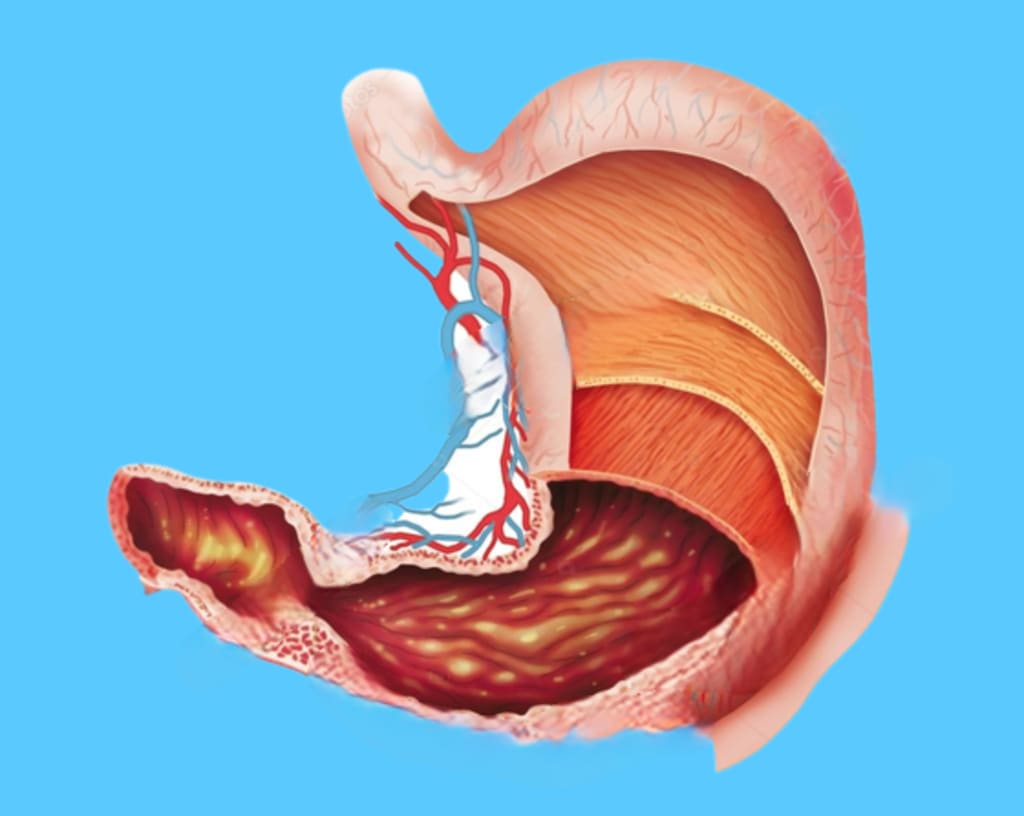
How to Get Rid of Acidity: Effective Tips and Natural Remedies
Introduction
Acidity, also known as acid reflux or heartburn, is a common condition that affects many people worldwide. It occurs when the acid in your stomach flows back up into the esophagus, causing a burning sensation in the chest and throat. If you're tired of dealing with acidity and seeking ways to find relief, this article will provide you with valuable insights and practical tips to alleviate the discomfort naturally.
1. Adjust Your Eating Habits
Eating habits play a crucial role in managing acidity. Here are some dietary changes you can incorporate into your routine:
• Eat smaller, more frequent meals: Consuming smaller portions helps reduce the pressure on your stomach, preventing acid reflux.
• Avoid trigger foods: Identify foods that trigger acidity for you, such as spicy, greasy, or acidic foods, and minimize their consumption.
• Chew thoroughly: Chew your food slowly and thoroughly to aid digestion and prevent excess stomach acid production.
• Don't lie down immediately after eating: Allow at least two to three hours after a meal before lying down or going to bed.
2. Maintain a Healthy Weight
Excess weight can contribute to acid reflux. If you're overweight or obese, losing weight can significantly improve your symptoms. Regular exercise, along with a balanced diet, can help you shed pounds and reduce the frequency and severity of acidity episodes.
3. Elevate Your Sleeping Position
Nighttime acid reflux can be particularly bothersome. Elevating the head of your bed by about 6-8 inches can prevent stomach acid from flowing back up into the esophagus while you sleep. Alternatively, you can use a wedge pillow to elevate your upper body.
4. Stay Hydrated
Drinking enough water throughout the day can help dilute stomach acid and prevent acid reflux. Aim for at least eight glasses of water daily, and consider incorporating herbal teas and natural juices that soothe the stomach, such as chamomile or aloe vera juice.
5. Manage Stress Levels
Stress can exacerbate acidity symptoms, so it's crucial to find effective stress management techniques. Some strategies to consider include:
• Exercise: Engage in regular physical activity, such as yoga, walking, or swimming, to reduce stress levels and promote overall well-being.
• Meditation and deep breathing: Practice relaxation techniques to calm your mind and reduce stress-induced acidity.
• Prioritize self-care: Make time for activities you enjoy, such as reading, listening to music, or spending time with loved ones, to help alleviate stress.
6. Incorporate Herbal Remedies
Incorporating herbal remedies can be a natural and traditional approach to reduce acidity symptoms. Although scientific evidence for their effectiveness is limited, many people have reported finding relief through these remedies. Here are a few examples of herbal remedies that may help reduce acidity:
1. Ginger: Ginger has been used for centuries to aid digestion and alleviate digestive discomfort. Consuming ginger tea or chewing fresh ginger may help reduce acidity and soothe the digestive system. Ginger has natural anti-inflammatory properties that can potentially reduce inflammation in the gastrointestinal tract.
2. Licorice: Licorice root, specifically deglycyrrhizinated licorice (DGL) supplements, can provide relief from acidity. DGL is a form of licorice with the compound glycyrrhizin removed, which may have certain side effects. DGL helps form a protective layer in the esophagus, reducing the risk of acid damage and providing relief from heartburn.
3. Aloe vera: Aloe vera has long been known for its soothing properties. Drinking aloe vera juice may help alleviate heartburn symptoms. Aloe vera juice can help soothe the irritated esophagus and reduce inflammation in the stomach, potentially providing relief from acidity.
4. Slippery elm: Slippery elm is an herb known for its mucilage content, which can help soothe the lining of the stomach and esophagus. It forms a protective barrier that may reduce acidity and provide relief from heartburn. Slippery elm can be consumed in the form of lozenges, powders, or capsules, following the recommended dosage.
5. Chamomile: Chamomile tea is a popular herbal remedy for various digestive issues, including acidity. It has anti-inflammatory properties that may help reduce irritation in the stomach and ease acid reflux symptoms. Sipping on chamomile tea after meals or before bed can promote relaxation and aid digestion.
6. Marshmallow root: Marshmallow root is another herb that contains mucilage, similar to slippery elm. It can help coat and protect the lining of the esophagus, providing relief from acidity. Marshmallow root can be consumed as a tea, capsule, or in powdered form. As with any herbal remedy, it's important to follow recommended dosages.
7. Peppermint: Peppermint has been used for centuries to ease digestive discomfort, including acid reflux symptoms. It has a soothing effect on the muscles of the gastrointestinal tract, promoting digestion and reducing the likelihood of acid reflux. Peppermint tea or chewing on fresh peppermint leaves may provide relief.
It's important to note that while these herbal remedies are generally considered safe for most people, individual experiences may vary. It's always a good idea to consult with a healthcare professional before incorporating any new remedies, especially if you have underlying health conditions or are taking medication. They can provide personalized advice and ensure these remedies are suitable for you.
While these herbal remedies have been traditionally used to relieve acidity symptoms, scientific evidence supporting their efficacy is limited. It's always a good idea to consult with a healthcare professional or a qualified herbalist before incorporating herbal remedies into your routine, especially if you have any underlying health conditions, are pregnant or breastfeeding, or are taking medications that may interact with the herbs.
In addition to herbal remedies, adopting healthy lifestyle habits like maintaining a balanced diet, avoiding trigger foods, managing stress, and practicing portion control can also contribute to reducing acidity symptoms. If you experience chronic or severe acidity, it's important to seek medical advice for proper diagnosis and treatment.
7. Quit Smoking and Limit Alcohol Consumption
Smoking and excessive alcohol consumption can contribute to acidity. Smoking weakens the lower esophageal sphincter (LES), allowing stomach acid to flow back up into the esophagus. Alcohol can also relax the LES and increase acid production. Quitting smoking and moderating alcohol intake can help reduce acidity symptoms.
8. Avoid Tight-Fitting Clothing
Wearing tight-fitting clothing, especially around the waist and abdomen, can put pressure on the stomach and contribute to acid reflux. Opt for loose-fitting clothes that don't constrict your midsection to minimize acidity episodes.
9. Over-the-Counter Medications
There are various over-the-counter medications available that can provide temporary relief from acidity symptoms. Antacids can neutralize stomach acid, while H2 blockers and proton pump inhibitors (PPIs) can reduce acid production. However, it's essential to consult a healthcare professional before using these medications regularly.
10. When to Seek Medical Advice
While the aforementioned tips and remedies can help manage mild to moderate acidity, it's important to seek medical advice if your symptoms persist, worsen, or interfere with your daily life. A healthcare professional can evaluate your condition, provide a proper diagnosis, and recommend appropriate treatment options.
Conclusion
Dealing with acidity can be uncomfortable and disruptive to your daily life. However, by implementing these natural remedies and making lifestyle changes, you can effectively manage and reduce acidity episodes. Remember to adjust your eating habits, maintain a healthy weight, elevate your sleeping position, stay hydrated, manage stress levels, incorporate herbal remedies, quit smoking, limit alcohol consumption, avoid tight-fitting clothing, and consider over-the-counter medications when necessary. If needed, don't hesitate to seek medical advice for further evaluation and guidance. With a proactive approach, you can regain control over your digestive health and enjoy a life free from acidity-related discomfort.
Disclaimer: The information provided in this article is for informational purposes only and should not be considered medical advice. Please consult with a healthcare professional before implementing any changes to your diet or lifestyle.
About the Creator
Ghulam Abbas
Skilled content writer with 15 years' experience in humanities and motivation. Illuminating insights in literature, history, philosophy, and culture, connecting readers to human experiences. Expertise in motivational writing.
Keep reading
More stories from Ghulam Abbas and writers in Humans and other communities.
Silver Screen Magic with Mae West
American actress and singer Mae West became a popular film actress during the Great Depression. She started entertaining in vaudeville, then performed on Broadway, and finally went to Hollywood. She signed up with Paramount Pictures and made her debut in the 1932 film “Night After Night.” She also starred in musicals, comedies, and crime dramas. The American Film Institute named her one of the best classic Hollywood actresses.
By Rasma Raisters5 days ago in Geeks


Comments
There are no comments for this story
Be the first to respond and start the conversation.