
How do you stay respectful even during moments of frustration?
Staying respectful during frustration involves pausing to breathe, understanding the other person's perspective, and choosing calm responses.

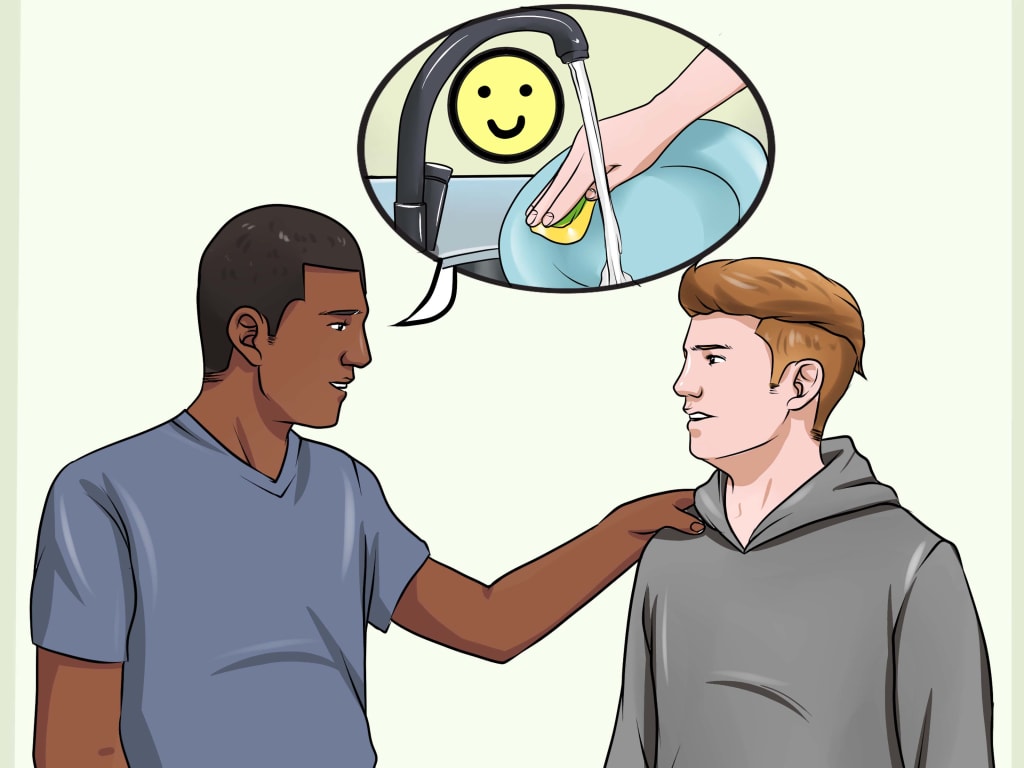
Staying respectful during moments of frustration can be challenging, especially when emotions run high. However, maintaining respect in such moments not only helps preserve relationships but also reflects emotional maturity and self-control. Below are some strategies that can help navigate moments of frustration with respect:
Acknowledge and Accept Your Feelings
The first step in staying respectful during frustration is recognizing and accepting your emotions. It’s natural to feel upset when things don’t go as planned or when you’re misunderstood. Acknowledging these feelings instead of suppressing them allows you to process and understand why you’re frustrated.
By acknowledging your feelings, you create space for yourself to regain control. For instance, when you’re frustrated with a colleague’s actions, recognizing your frustration instead of denying it will help you understand what triggered the response. This awareness can act as a signal to pause before reacting.
Take a Pause
When emotions are running high, it’s easy to react impulsively. In such situations, taking a pause is one of the most effective ways to maintain respect. A short break gives you time to breathe, step away from the situation, and collect your thoughts.
In practical terms, this could mean taking a few deep breaths, counting to ten, or walking away from the conversation for a moment. The goal is to allow yourself time to cool down and avoid saying or doing something you might regret later. It’s essential to realize that reacting out of frustration can often escalate conflict rather than resolve it.
Practice Active Listening
One of the pillars of respectful communication is active listening. When you’re frustrated, it can be tempting to interrupt or start thinking about how to respond while the other person is speaking. However, listening carefully allows you to truly understand the other person’s perspective, which can often reduce frustration.
Active listening requires you to give the other person your full attention. This involves maintaining eye contact, nodding, and giving verbal cues that show you’re engaged, such as "I see" or "I understand." When people feel heard, they are more likely to reciprocate the respect, which can diffuse frustration.
Use “I” Statements
Rather than pointing fingers or using accusatory language that can escalate tension, it’s beneficial to communicate your frustration using “I” statements. For example, instead of saying, “You never listen to me,” you could say, “I feel frustrated when I don’t feel heard.”
Using “I” statements expresses how you feel without blaming or criticizing others. This approach helps you avoid making the situation worse while still conveying your emotions. It encourages a constructive conversation rather than a defensive or combative exchange.
Stay Calm and Control Your Tone
In moments of frustration, maintaining a calm and even tone can be difficult, but it’s crucial for respectful communication. The way you speak can make a significant difference in how your message is received. If your tone is sharp or angry, it can escalate the situation and trigger a defensive response from the other person.
To manage your tone, focus on speaking slowly and deliberately. Avoid raising your voice or using sarcasm. Take a few deep breaths before responding if you feel your tone is becoming tense or harsh.
Empathize with the Other Person
Empathy is a powerful tool for staying respectful during moments of frustration. Try to put yourself in the other person’s shoes and consider their perspective. Understanding why the other person may be behaving in a particular way can sometimes help you let Go of your frustration and approach the situation with more compassion.
For example, if you’ refrustrated with a team member’s tardiness, it might help to consider their workload or personal challenges before jumping to conclusions. Empathy allows you to address the situation with understanding and avoid unnecessary conflict.
Focus on the Issue, Not the Person
When frustration arises, it’s easy to focus on the person you’re upset with rather than the issue at hand. However, attacking the person can make them defensive and prevent a productive conversation. Instead, try to focus on the issue or behavior that caused your frustration. This approach keeps the conversation respectful and solution-oriented.
For example, instead of saying, “You’re so disorganized!” try saying, “I’m frustrated because I feel the project deadlines aren’t being met. How can we work together to improve this?”
Seek Solutions, Not Blame
Frustration often comes from a problem that needs solving. Rather than focusing on placing blame, try to shift your energy toward finding solutions. When you approach the situation with a mindset of collaboration and problem-solving, it shows respect for both yourself and the other person.
For example, if you’re frustrated with a teammate who isn’t pulling their weight, instead of criticizing them, you could ask, “What can we do together to make sure we meet the next deadline?” This keeps the focus on resolving the issue, rather than getting caught up in negative emotions.
Practice Self-Compassion
Sometimes, frustration arises from the unrealistic expectations we place on ourselves. When things don’t go according to plan, we may be hard on ourselves, which can increase frustration. Practicing self-compassion is key to managing these feelings in a respectful way.
Be kind to yourself during moments of frustration. Recognize that it’s okay to feel upset, and that taking care of your mental well-being is important. Self-compassion can help you avoid turning that frustration inward, and instead channel it into more positive and respectful actions.
Forgive and Let Go
Lastly, it’s important to let go of lingering frustration. Holding onto negative emotions can affect your overall well-being and relationships. Once you’ve expressed your feelings respectfully, give yourself and others the opportunity to move on. Holding grudges or continuing to harbor frustration only leads to more tension.
In conclusion, staying respectful during moments of frustration involves a combination of self-awareness, patience, and empathy. By acknowledging your emotions, taking a pause, listening actively, and focusing on solutions, you can navigate these moments in a way that preserves your relationships and your peace of mind. The key is to respond, not react, and to approach difficult situations with a mindset of respect, understanding, and collaboration.
About the Creator
Badhan Sen
Myself Badhan, I am a professional writer.I like to share some stories with my friends.
Keep reading
More stories from Badhan Sen and writers in Humans and other communities.
How do you manage conflict when one partner is more conflict-avoidant than the other?
Conflict is a natural part of any relationship, but when partners have differing styles of dealing with it, tensions can escalate. If one partner is more conflict-avoidant while the other prefers direct confrontation, it can create misunderstandings and feelings of imbalance. Successfully navigating these differences requires understanding, empathy, and effective communication strategies. Here’s how to manage such dynamics:
By Badhan Senabout a year ago in Humans
The CEO of Everything
They say "jack of all trades, master of none," but they forgot to mention the part where the jack of all trades is also the camera woman, the makeup artist, and the person currently yelling at a tangled Wii microphone cable in a her own bathroom while recording herself singing and trying to make it look realistic and professional. (As professional as you can make it with nothing but a cell phone camera and a mic that doesn't work)
By Sara Wilson4 days ago in Humans


Comments
There are no comments for this story
Be the first to respond and start the conversation.