
How do Cigarettes affect the Body?
The Longtime Hazards of the Short Time Pleasure Derived from Smoking
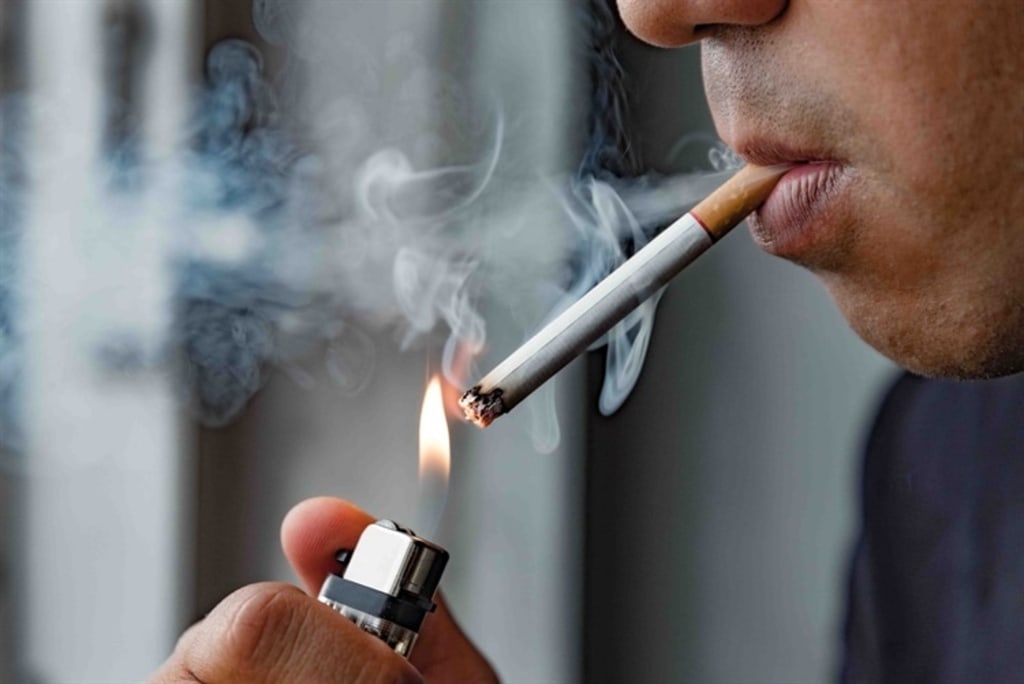
- Cigarettes are harmful to our health. That is hardly news; we have known for years that smoking is harmful. But exactly how are cigarettes bad for us? Let's examine what occurs when their components pass through our bodies and how quitting smoking will help our physical health. Smoke's more than 5,000 chemical components come into touch with the body's tissues with each inhale.
What Happens After Smoking?
Tar, a black, sticky substance, starts to coat teeth and gums, damaging tooth enamel. As time goes on, smoke also damages nerve endings in the nose, causing loss of smell. Inside the airways and lungs, smoke increases the likelihood of infections, as well as chronic diseases like bronchitis and emphysema. Smoke does this by damaging cilia, tiny hairlike structures that help keep the airways clean. Smoke then fills the alveoli, tiny air sacs that enable oxygen and carbon dioxide exchange between lungs and blood.
Carbon monoxide crosses the blood-brain barrier and binds to hemoglobin, displacing oxygen. Smoking can lead to shortness of breath and oxygen deprivation because of this. Nicotine triggers the release of dopamine and other neurotransmitters that create the pleasurable sensations smokers are addicted to. Within about 10 seconds, nicotine stimulates the brain with a stimulant, leading to the release of endorphins.
Cigarette smoking causes constriction of blood vessels and damage to their delicate endothelial lining. These vascular effects lead to the thickening of blood vessel walls and enhancement of blood platelet stickiness, increasing the likelihood that clots will form and trigger heart attacks and strokes. Many of the chemicals inside cigarettes can also trigger dangerous mutations in the body’s DNA, which can lead to cancers.
Additionally, substances like arsenic and nickel may interfere with DNA repair, weakening the body's defenses against many malignancies. In reality, smoking is to blame for nearly one in three cancer deaths in the US. Not just lung cancer, though. Smoking can impair eyesight, weaken bones, and cause cancer in a variety of tissues and organs. It makes it more challenging for women to conceive. Additionally, it may lead to erectile problems in men.
If You Quit?
However, quitting smoking has a significant upside with both short-term and long-term bodily advantages. After smoking their last cigarette, a smoker's heart rate and blood pressure start to return to normal in about 20 minutes. Carbon monoxide levels stabilize after 12 hours, boosting the blood's ability to carry oxygen. One day after stopping, the chance of having a heart attack starts to decline as blood pressure and heart rates return to normal. The nerve endings that control taste and smell begin to recover after two days. After roughly a month, the lungs get better, causing less coughing and breathlessness. Within weeks, the fragile, hair-like cilia in the airways and lungs begin to repair. After nine months, they fully recovered, increasing resistance to infection. Heart disease risk is reduced by half after one-year mark as blood vessel function increases.
After five years, the probability of a clot developing drastically decreases, and the risk of stroke keeps decreasing. After 10 years, there is a 50% reduction in the likelihood of getting deadly lung cancer, most likely as a result of the body's ability to repair DNA being re-established. After 15 years, the risk of coronary heart disease is nearly identical to that of a non-smoker. It's pointless to suggest that achieving these goals is simple. Smoking cessation can result in anxiety and depression because of nicotine withdrawal.
But fortunately, these effects are frequently fleeting. And thanks to an expanding toolkit, quitting is becoming simpler. Smokers who use gum, skin patches, lozenges, or sprays to replace their nicotine may find it easier to quit. They function without the use of additional hazardous drugs by activating nicotine receptors in the brain and reducing withdrawal symptoms. Smokers who want to quit can also benefit from cognitive behavioral therapy, support groups, counseling, and moderate exercise. That's wonderful news since stopping puts your body and you on the road to recovery.
About the Creator
Keep reading
More stories from Lateef Oluwatimileyin Zainab and writers in Humans and other communities.
A Good Night Sleep
Do you tend to wake up feeling exhausted most of the time? No matter how well you believe you slept—either for eight hours or for twelve—you always wake up feeling a little foggy. You're not alone, so don't worry. Now let's try to make things right for you.
By Lateef Oluwatimileyin Zainab3 years ago in Humans
Autonomy Is The Real Privilege
Good morning, freedom-seekers! Today we’re gonna be looking at autonomy. A strange word, I know; one many would probably look at blankly and run away from on sight. We’re gonna figure out what it actually means, consider how it’s achieved, and decipher just how deeply most of us are tangled up in dependence without realising it.
By That ‘Freedom’ Guyabout 20 hours ago in Humans
You Don’t Miss Them, You Miss Who You Were With Them
I used to think I missed them. That the tight feeling in my chest, the sudden wave of nostalgia, the random memories that showed up uninvited were all proof that I still wanted them back. I thought longing meant love, and sadness meant unfinished business.
By HazelnutLattea3 days ago in Humans
Smart phones, Humans and Aliens.
WARNING. I will be tapping into one of your favorite creative tensions: The absurdity of humans worshipping their glowing rectangles as if they were tiny oracles. There’s something deliciously poetic about that contradiction, and it lends itself beautifully to an instructive proviso.
By Novel Allen5 days ago in Poets




Comments
There are no comments for this story
Be the first to respond and start the conversation.